



Before buying optional software for a golf cart fleet, ask what the system will connect to, which information it will hold and who will administer it. Put those answers into the purchase scope before staff begin using the service. A dashboard demonstration does not establish how accounts, updates, support access or data export will work over the contract’s life.
This guide concerns the procurement review of a separately proposed digital service. It does not claim that MOVIVEX carts include telematics, tracking, remote controls or fleet software. Confirm actual product capabilities and compatibility in writing. Your IT and security team should assess any proposed integration; a vehicle buyer should not approve network access based only on a sales presentation.
Start with the operating purpose and boundary
Write down the specific problem the proposed software is meant to solve. It might support maintenance records or scheduling, but avoid assuming that every feature in a demonstration belongs in your contract. Identify the staff who would use it, the decisions it would support and the work that must continue if it becomes unavailable. This makes the review about a real operating requirement rather than a growing list of attractive features.
The NIST Small Business Cybersecurity Corner provides starting resources for organizations building a security review. Use that material with qualified advice appropriate to your organization. NIST resources do not endorse a particular vendor or certify a fleet product merely because its brochure uses familiar cybersecurity language.
Carry the approved purpose into the fleet configuration brief. Separate the vehicle order, any additional hardware and the digital service agreement. Record which supplier owns each dependency so a later problem is not passed between parties without a clear support contact.

Map information before requesting access
Ask the vendor for a plain description of the information collected, where it comes from and where it goes. Distinguish a vehicle identifier from information linked to an employee or guest. A maintenance note can contain personal information if staff enter names or incident descriptions. The buyer needs an agreed boundary for what users should enter, not just a statement that the database is secure.
Identify where data is stored, which subcontractors may process it and whether support staff can view it. Have the appropriate privacy or legal adviser review applicable requirements rather than assuming that one country’s guidance settles every jurisdiction. If employee location monitoring is proposed, treat that as a separate decision requiring its own purpose, transparency and local review.
The NIST cybersecurity basics guidance explains account protection, software updates and ongoing risk management. For procurement, translate those themes into questions the vendor can answer with evidence: which permissions exist, who performs updates and how the customer receives an incident report? Do not substitute a broad promise for an actual responsibility assignment.
Ask the vendor to demonstrate account controls
Have the vendor show the difference between an ordinary user and an administrator in a test environment. Can your team remove a departing employee without affecting other users? Can an administrator review who has access? Are support accounts visible to the customer? Ask how a lost phone or unavailable administrator is handled so account recovery does not become an informal request to share credentials.
NIST’s multifactor authentication guidance explains why additional authentication factors can strengthen account protection. Ask which options the proposed service actually supports and how they apply to privileged accounts. An answer should identify the feature available in the contracted service, not a future roadmap or a screenshot from another subscription tier.
Record the organization’s account owner and a backup contact. Include these tasks in staff changes and the operational handover process where relevant. The handover record should identify responsibility without storing passwords or recovery codes in an open shared document.
| Purchase question | Useful evidence | Owner to name |
|---|---|---|
| What is connected? | Current architecture and integration scope | Customer IT and vendor technical contact |
| Who can sign in? | Role demonstration and account removal process | Customer administrator |
| Who updates each component? | Support terms and responsibility schedule | Named supplier or customer team |
| What happens during an outage? | Agreed fallback workflow and recovery arrangements | Operations and IT contacts |
| How does the service end? | Export sample, deletion terms and access removal steps | Contract owner |
Clarify updates and support access
Identify every component in the proposed scope: hosted service, mobile app, optional device and any interface to an existing business system. Ask who maintains each one and how support changes are communicated. Avoid accepting a service arrangement in which every party believes another party is responsible for a device or account.
Support access needs a defined purpose and limit. Ask how a technician receives permission, what activity is recorded and how access ends. Your IT team should decide the appropriate connection arrangements. This article does not prescribe a network architecture, authorize a vendor connection or describe any claimed MOVIVEX remote access feature.
Use the order change control process when the proposed service or hardware changes after approval. A different subscription, integration or device can alter the assumptions in the original security review even when the vehicle itself remains unchanged.

Plan for unavailable software and contract exit
Describe the minimum work the fleet must continue during a service interruption. A team might need a controlled offline dispatch list or access to current maintenance status. Test the approved fallback with the people who would use it. Do not assume that cloud access, a mobile signal or a single administrator will always be available when staff need information.
NIST resources on securing data and devices provide additional background for your IT review. Ask how your own records can be retrieved in a usable form and who verifies the export. An export button in a demonstration does not establish that every field your operation needs will be included.
Connect the fallback plan to the existing fleet service log rather than building two contradictory records of vehicle availability. At contract exit, confirm how data is returned, which access is removed and what retention or deletion terms apply. Obtain appropriate legal advice where obligations differ across locations.
Set an incident contact before deployment
Ask how the vendor reports a suspected security event, who receives the message and how your organization escalates it. Agree how operations, IT and other responsible advisers coordinate without staff improvising a technical response. The NIST incident response resources support preparing an incident plan and identifying responsible assistance; actual decisions and notification duties depend on the incident and jurisdiction.
For an illustrative example, a resort evaluating a maintenance portal asks two shortlisted suppliers to demonstrate role removal and export a sample vehicle history. One demonstration leaves an unresolved question about administrator recovery. The buyer records that gap before contracting rather than calling the product secure. This is a procurement scenario, not a reported MOVIVEX project or a comparison of real vendors.
Keep unresolved questions visible in the quotation comparison record. Price is easier to compare when the support scope, exclusions and responsibilities are written down. The final review should make clear who approved the digital service and which conditions must be met before activation.
Frequently asked questions
Does an electric golf cart automatically include connected software?
No such capability should be assumed. Confirm the exact vehicle specification and any separate optional service in writing. This article is a review framework, not a statement that a catalogue model includes tracking or remote management.
Is a vendor security questionnaire enough?
Use it as one input. Ask your qualified reviewers what evidence, demonstration or contract clarification is necessary for the actual proposed connection and information involved.
How should we raise compatibility questions?
Contact MOVIVEX through Request a quote with the exact proposed configuration and service scope. Obtain written confirmation rather than treating a general fleet article as approval for an integration.
Explore related MOVIVEX golf carts
Use these existing catalogue vehicles as starting points for a configuration discussion. Confirm the ordered specification and support scope in writing.

MV-A2 · Catalogue configuration
MV-A2 Electric Golf Cart
Confirm the exact proposed vehicle configuration; these catalogue vehicles do not imply connected software or tracking capability.
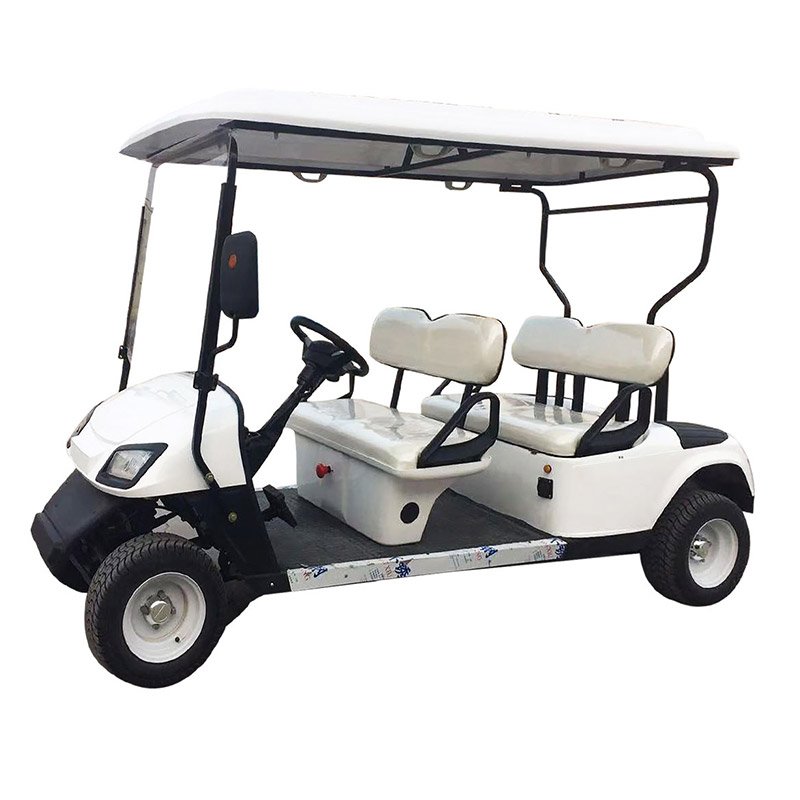
MV-A4 · Catalogue configuration
MV-A4 4 Seater Golf Cart
Confirm the exact proposed vehicle configuration; these catalogue vehicles do not imply connected software or tracking capability.
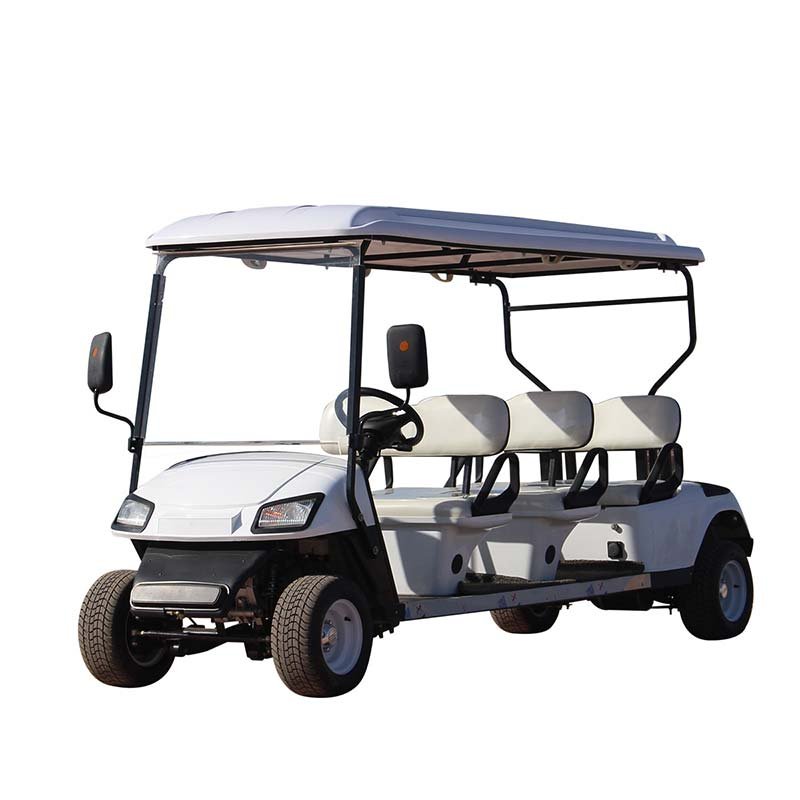
MV-A6 · Catalogue configuration
MV-A6 6 Seater Golf Cart
Confirm the exact proposed vehicle configuration; these catalogue vehicles do not imply connected software or tracking capability.
Discuss your fleet requirements
Tell us your passenger needs, quantity, operating location and delivery destination.

