




A disabled golf cart needs a recovery plan that protects passengers, staff and other route users before anyone tries to move it. Stop treating removal as an informal favour by the nearest available driver. Identify the exact vehicle, describe its condition and location, contact competent recovery support and agree who controls the surrounding area. The recovery provider and manufacturer documentation should determine the movement method.
This article is a coordination guide for commercial fleets. It does not give towing speeds, attachment points, brake-release instructions, lifting methods or electrical isolation procedures. Those depend on the exact model and the condition of the vehicle. A generic golf cart illustration, a supplier’s catalogue page or instructions for a different vehicle cannot establish a safe recovery method.
Separate passenger assistance from vehicle removal
First establish whether anyone is injured, whether emergency assistance is needed and whether the location creates an immediate danger. Follow the property’s emergency arrangements and the instructions of responding services. Do not ask passengers or bystanders to push, hold or restrain a disabled vehicle. A recovery plan should let staff direct people toward a suitable safe waiting location without putting them into another traffic conflict.
HSE’s roadside repair and recovery overview explains the importance of protecting workers and vehicle occupants from traffic risks. Its public-road legal context is UK-specific. For a managed resort or campus, use the underlying coordination question: who is exposed to moving vehicles while the disabled cart remains in place?
Keep the passenger communication task separate from choosing how to recover the cart. One staff member may organize an alternative shuttle while another coordinates with the recovery provider. The dispatch communication protocol should identify the contact responsible for keeping these messages consistent.

Give the recovery provider facts rather than guesses
Record the vehicle identity, exact model and configuration, location and access constraints. Explain what was observed: a reported steering problem, a wheel that will not turn or a vehicle that stopped during service. Do not turn a driver’s description into a diagnosis. Make clear which observations came from the operator and which have been checked by qualified personnel.
Send the relevant manufacturer documents through the established support route. Keep them linked to the actual vehicle using the manual revision control process. Ask the recovery provider what additional information is necessary before dispatch. A competent provider may need to assess the site and confirm its own equipment rather than accepting a generic request to tow a cart.
HSE’s essential precautions for roadside work emphasize assessment, suitable equipment and trained people. They do not supply golf cart recovery specifications. Do not transplant highway positioning diagrams, truck equipment dimensions or a technique shown in a roadside video into an unrelated property operation.
Prepare access without directing the technical procedure
Tell the provider about gates, overhead obstructions, route widths, nearby pedestrian areas and the condition of the approach. Explain whether access passes through a guest entrance or a scheduled delivery area. Use current site information; an old access drawing may omit temporary scaffolding or a gate that no longer opens as expected.
Assign a site contact with authority to coordinate access and temporary restrictions. That person should understand the provider’s proposed work area and communicate any conflict with the property’s activities. The provider remains responsible for its technical work method; the fleet manager should not direct an improvised lifting or towing method simply to reopen the route quickly.
Keep a suitable alternative passenger route in place until the affected area is released. The temporary detour planning guide supports that separate task. Consider people arriving after the initial closure, including staff starting a later shift. A barrier without a briefing can leave dispatch sending another vehicle into the same obstruction.
| Information | What to communicate | Who confirms it |
|---|---|---|
| Vehicle identity | Exact model, fleet ID and configuration documents | Fleet records owner |
| Observed condition | Symptoms and known damage without invented diagnosis | Operator and qualified support |
| Site access | Current restrictions, surfaces and pedestrian conflicts | Site coordinator |
| Recovery method | Provider’s plan using applicable vehicle instructions | Competent recovery provider |
| Destination | Agreed receiving location and responsible person | Provider and maintenance contact |
| Operational release | Removal complete, route condition checked and restrictions communicated | Authorized site supervisor |
Avoid pressure to improvise
A busy pickup area can make an informal solution seem attractive. Build the escalation plan before that moment. Maintain current recovery contacts, out-of-hours arrangements and a clear method for obtaining manufacturer advice. Identify who can authorize the expense and who can suspend service while competent support is arranged.
HSE reported a runaway Range Rover recovery incident in October 2026. This was not a golf cart event and provides no model-specific performance evidence. It illustrates why informal assistance and uncontrolled movement during recovery can have serious consequences. Do not turn an incident report into instructions for securing a different vehicle.
Likewise, do not assume an electric vehicle is harmless because it is small or stationary. Where damage, unusual heat, smoke or another immediate hazard is suspected, follow emergency arrangements and obtain appropriate assistance. The coordination record should capture what was reported and who was contacted, without asking untrained staff to investigate electrical components.

Agree where the vehicle will go
Specify the receiving location before movement begins. Confirm that the destination is available, the responsible person knows the vehicle is coming and necessary access arrangements are understood. Avoid recovering a vehicle into another operational lane simply because it is out of sight of guests. The receiving area should be selected through the site’s appropriate assessment and the provider’s plan.
Keep the fleet status unavailable throughout recovery and subsequent assessment. Removal from the route is not a return-to-service decision. The existing fleet service log should connect the defect report, recovery record and maintenance follow-up so another shift does not assume the cart is ready because it has been parked in its usual place.
For an illustrative example, a campus shuttle stops near a controlled entrance. Dispatch arranges another passenger movement, the site coordinator manages access and qualified support determines removal. The receiving workshop acknowledges the fleet ID and reported condition. This is a planning scenario, not a MOVIVEX case study or a promise about response time.
Review the plan after a recovery
Record whether the provider received accurate information, access was available and passenger communications worked. Review avoidable delays without pressuring staff to shorten technical precautions. HSE’s motor vehicle repair guidance covers a broad industry context and reinforces the importance of competent planning; it does not replace the actual recovery provider’s assessment.
Update contact details and access notes when facts change. Use the shift handover checklist to carry unresolved restrictions and the vehicle’s unavailable status into the next team. Do not mark the event closed until responsibility for the next decision is clear.
The HSE guidance on inspection, maintenance and repair is useful context for the next stage. Its emphasis on manufacturer instructions and appropriately trained maintenance staff supports keeping technical checks separate from the administrative fact that a cart has arrived at the workshop. Do not infer permission to operate from a completed transport receipt.
Frequently asked questions
Can another golf cart tow the disabled vehicle?
Do not assume so. Obtain the exact vehicle instructions and a competent recovery decision. This guide does not authorize a towing vehicle, connection method or movement limit.
Does successful removal mean the cart can operate again?
No. Recovery, repair and operational release are different decisions. Preserve the defect history and obtain the required qualified checks and authorization before assigning the vehicle to passenger duties.
What can MOVIVEX help us confirm before buying?
Use Request a quote to discuss the proposed model, document availability and support scope. Arrange site-specific recovery capability separately and confirm it can support the actual configuration supplied.
Explore related MOVIVEX golf carts
Use these existing catalogue vehicles as starting points for a configuration discussion. Confirm the ordered specification and support scope in writing.
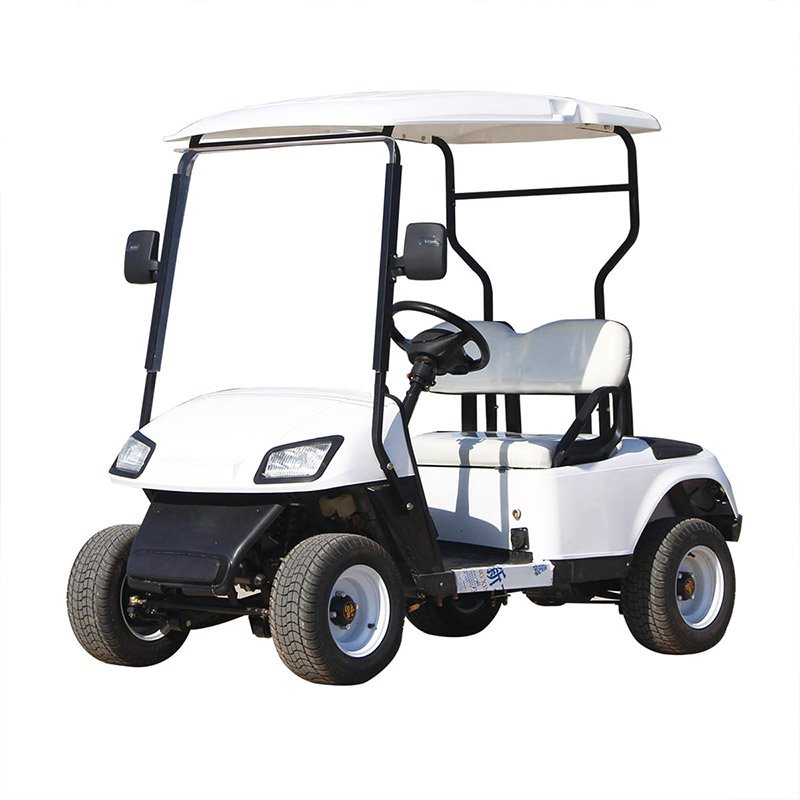
MV-A2 · Catalogue configuration
MV-A2 Electric Golf Cart
Request exact-model documentation and support details; a catalogue listing does not authorize a recovery method.
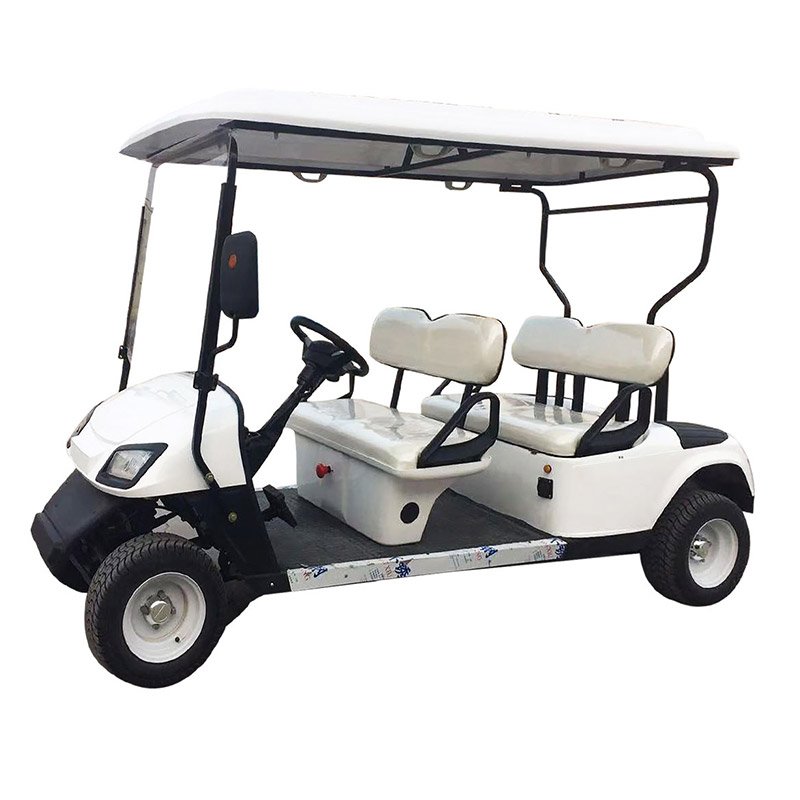
MV-A4 · Catalogue configuration
MV-A4 4 Seater Golf Cart
Request exact-model documentation and support details; a catalogue listing does not authorize a recovery method.
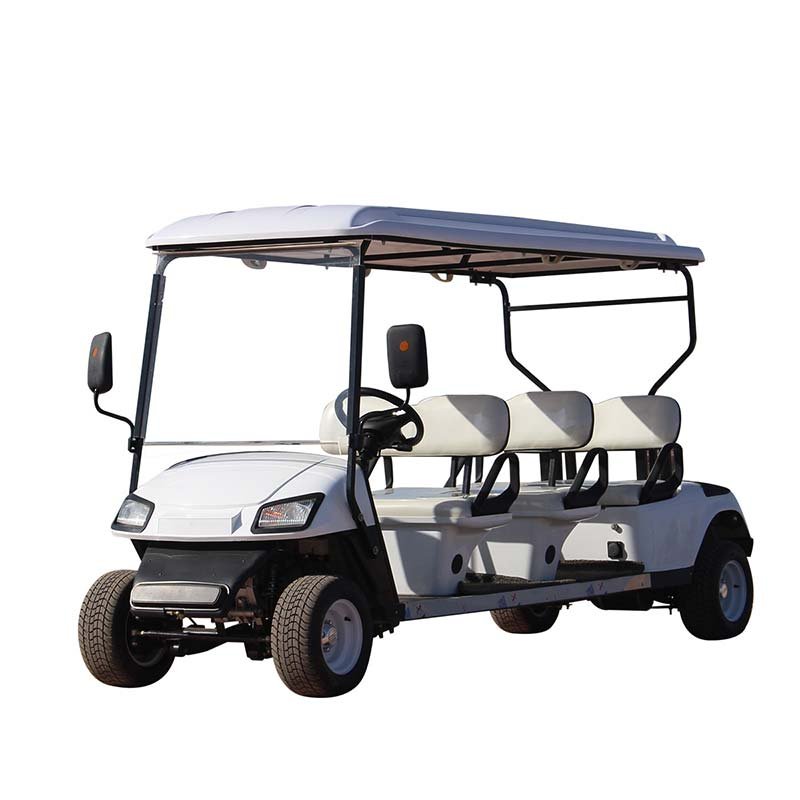
MV-A6 · Catalogue configuration
MV-A6 6 Seater Golf Cart
Request exact-model documentation and support details; a catalogue listing does not authorize a recovery method.
Discuss your fleet requirements
Tell us your passenger needs, quantity, operating location and delivery destination.

