




Hired golf cart fleet integration should treat each temporary vehicle as a new entry into the operating system, not as an automatic substitute for an owned cart. Confirm the actual configuration, applicable documents, route suitability, driver permissions and reporting responsibilities before dispatch. End the temporary permissions and reconcile the records when the hire finishes.
This guide concerns vehicles temporarily supplied to an existing shuttle team. A contract operator supplying both drivers and service management needs a separate responsibility review. Nor does this guide calculate how many backup carts to hire: its output is an integration record showing which temporary units are accepted, for which duties and under whose control.
Define the duty before accepting a substitute
Describe the passenger service, approved routes, operating environment and relevant constraints to the hire provider. State which features or documents are necessary for your review. A proposed vehicle with the same nominal seat count may differ in controls, dimensions, passenger arrangement or support requirements.
Keep the temporary requirement connected to the backup fleet plan, while reviewing the actual offered units separately. Do not accept “equivalent vehicle” as a complete technical description. Ask who approves a replacement if the provider changes the supplied configuration before arrival.
HSE’s managing-contractors guidance discusses suitability, maintenance and agreed responsibilities. It is general UK workplace guidance. Use those coordination questions as background without treating every vehicle hire as the same legal arrangement or importing unrelated driver-contract rules.

Create an identity cross-reference at receipt
Record the provider’s unit identifier, the vehicle’s own identification and the temporary fleet reference your dispatch team will use. Link the identifiers explicitly rather than covering up one label and assuming everyone will remember the relationship. Confirm the hire period and the contact for discrepancies.
Retain the applicable manuals, supplied equipment list and available maintenance or inspection evidence. The delivery handover checklist is a useful receiving companion, but a temporary-hire record also needs provider contacts, permission dates and return arrangements.
Document the condition and questions observed at receipt using the agreed process. A condition photograph can record what was seen, but it does not replace competent technical assessment. Keep an uncertain unit out of the available dispatch list until the appropriate decision has been made.
| Integration stage | Record to create | Decision owner |
|---|---|---|
| Before arrival | Required duty and exact offered configuration | Fleet buyer and operating reviewer |
| Receipt | Unit identity, documents, condition and discrepancies | Named receiving contact |
| Operating release | Permitted routes, drivers and status | Responsible fleet role |
| During hire | Defects, support requests and authorized actions | Site and provider contacts |
| Return | Unit reconciliation, open issues and permission closure | Named return contact |
Review route and driver permissions explicitly
Compare the temporary configuration with the actual routes it will use. Include restricted openings, parking access and approved pickup arrangements. An owned vehicle’s acceptance record does not automatically cover a hired cart with different dimensions or accessories.
Use the route acceptance framework for the relevant review. Where a controlled trial is part of an approved assessment, it should follow the agreed safe arrangements. Do not use passenger service as the experiment that discovers an unsuitable vehicle-route combination.
Confirm which drivers may operate the temporary unit and what familiarization they need. Different controls or instructions may require more than being told the key is in the usual place. Link the decision to the driver authorization record rather than assuming general cart experience covers every build.
Agree maintenance, defects and technical support
Write down who receives a defect report, who decides the operating status and who may authorize work. Agree how provider instructions and site observations are exchanged. Avoid a gap in which the site believes the provider is monitoring the vehicle while the provider expects a daily report from the site.
HSE’s inspection and maintenance overview discusses manufacturer guidance and suitable checks for purchased or hired vehicles. It does not prescribe a universal golf cart interval. Obtain the applicable requirements for the actual temporary units and clarify the division of responsibilities.
A hire agreement should also identify restrictions on modifications, accessories or unapproved repairs. HSE’s work-equipment maintenance guidance provides general context on planning and competent work. No isolation method, electrical procedure or specialist repair instruction is transferred from that general page here.

Keep dispatch records clear while the fleets overlap
Give temporary vehicles distinct, understandable operational identifiers. Dispatch should see the accepted duty, current availability and any restrictions without deciphering provider paperwork during a live request. Retain the underlying records so staff can resolve a question about the exact unit.
Use the dispatch communication protocol for assignment ownership, while keeping vehicle acceptance separate. A successfully acknowledged request does not override a defect hold, a route restriction or an expired temporary permission.
HSE’s communication guidance supports clarity about working responsibilities. Apply it to the names and contact routes used by site staff and the hire provider. Agree what happens when the usual provider contact is unavailable.
Plan provider visits and replacement units
Provider staff may need access for inspection, collection or exchange. Share relevant site information before the visit and identify the responsible site contact. A replacement should go through the applicable identity, document and acceptance checks rather than inheriting the previous unit’s status.
HSE’s organising guidance offers general context on coordinating people and contractors in a shared workplace. Use it to review the interface between the provider’s visit and your passenger activity. It does not approve a maintenance location or resolve the terms of a hire contract.
Consider a fictional provider exchanging one cart during a busy event. The useful record closes or suspends the departing unit’s assignments and opens a separate acceptance record for the replacement. Reusing the same dispatch nickname without recording the changed identity can obscure which vehicle an instruction covers.
Close the hire as carefully as it began
At return, reconcile units, keys, supplied documents and accessories against the agreed list. Record condition observations and unresolved issues through the agreed channel. A returned key should not be the only evidence that a vehicle has left the active operation.
End temporary driver permissions and dispatch availability where applicable. Preserve the service history in the fleet service record, including links to provider reports. Do not delete an open issue simply because the hire period ended.
If repeated temporary hires reveal a continuing fleet requirement, discuss that duty with MOVIVEX through fleet planning. The catalogue models below support a purchase discussion; their inclusion is not a claim that MOVIVEX supplies hire services, local rental coverage or the exact temporary units described in your records.
Frequently asked questions
Can a hired cart inherit an owned cart’s route permission?
Only if the responsible assessment explicitly covers the actual hired configuration and conditions. Similar appearance or seat count is insufficient on its own.
Who is responsible for maintenance during the hire?
Confirm the actual contract and applicable local requirements. Record the practical responsibilities, reporting route and authorization boundaries before the vehicle enters service.
What happens when a unit is exchanged?
Identify the replacement and repeat the relevant receiving and acceptance checks. Preserve the relationship between provider identifiers, site identifiers and the records for each unit.
Does integration mean buying more permanent carts?
No. It makes a temporary arrangement intelligible and controlled. Whether to hire again or purchase requires a separate review of your actual duty and commercial circumstances.
Explore related MOVIVEX golf carts
Use these existing catalogue vehicles as starting points for a configuration discussion. Confirm the ordered specification and support scope in writing.
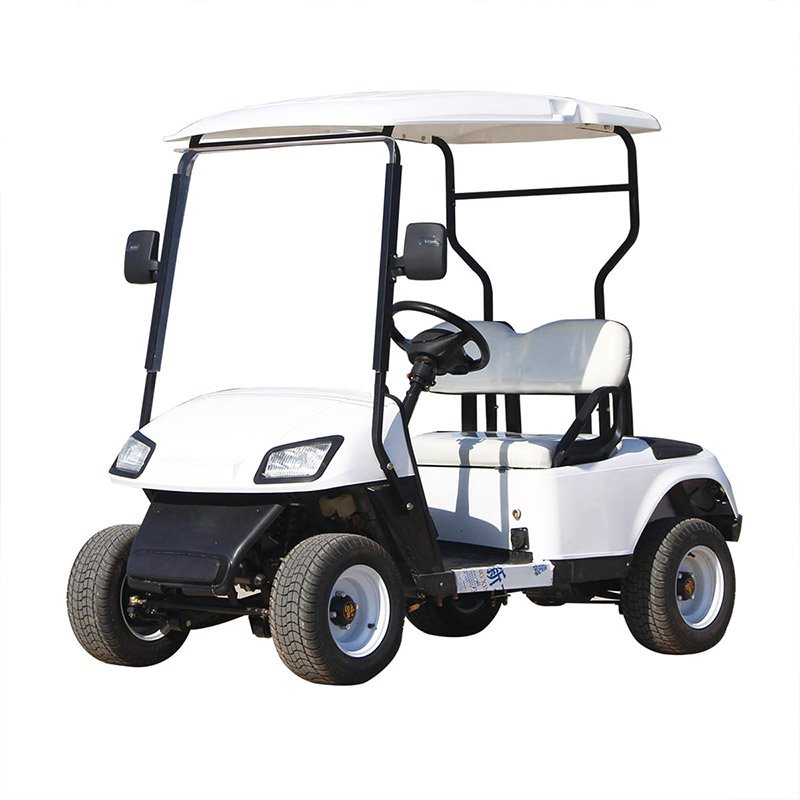
MV-A2 · Catalogue configuration
MV-A2 Electric Golf Cart
Discuss a recurring owned-fleet requirement; no hire-service availability is implied.
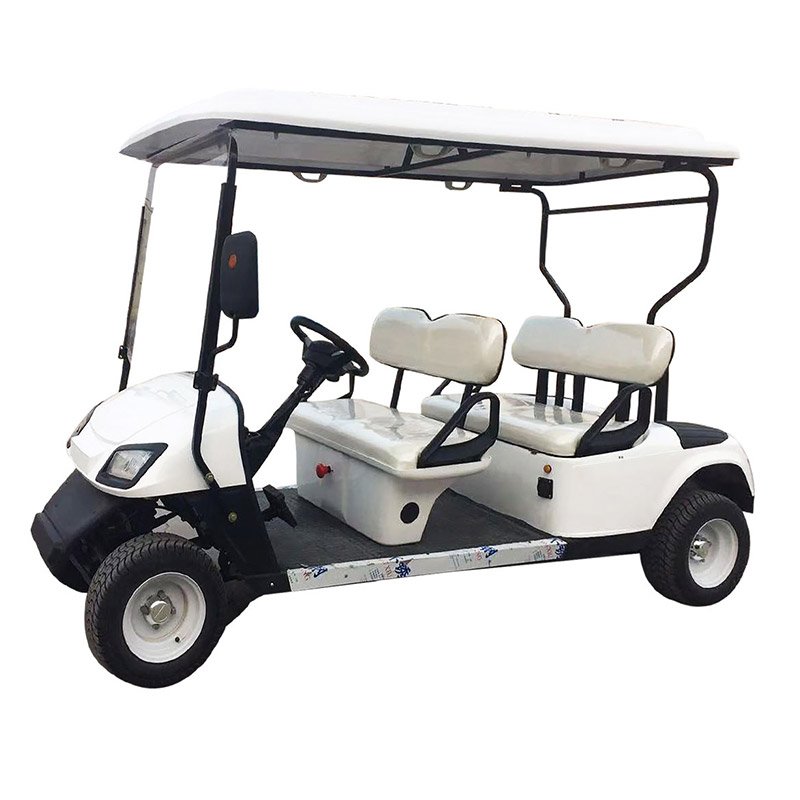
MV-A4 · Catalogue configuration
MV-A4 4 Seater Golf Cart
Discuss a recurring owned-fleet requirement; no hire-service availability is implied.
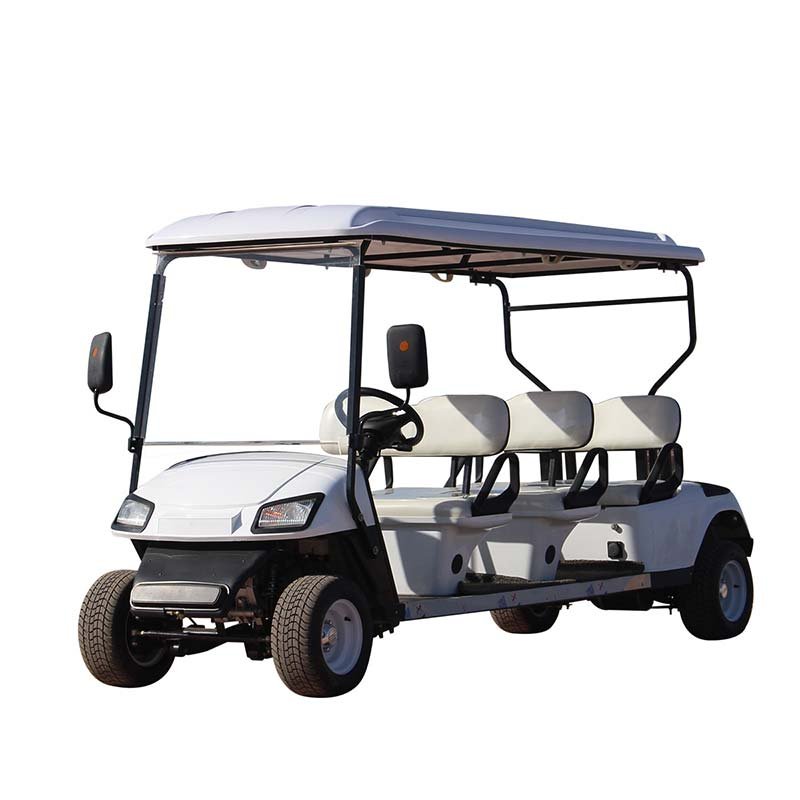
MV-A6 · Catalogue configuration
MV-A6 6 Seater Golf Cart
Discuss a recurring owned-fleet requirement; no hire-service availability is implied.
Discuss your fleet requirements
Tell us your passenger needs, quantity, operating location and delivery destination.

