




Golf cart accessory modification approval should connect one proposed item to the exact vehicle configuration, its intended purpose and a documented technical decision. Physical fit, an online compatibility list or another owner’s installation does not establish that an accessory is approved for your fleet duty.
This guide concerns non-battery accessories proposed for vehicles already in service. It provides a review record for buyers and fleet managers, not an installation procedure. Battery-system changes, engineering work and any legal conformity questions require their own appropriate assessment and instructions.
Describe the problem before selecting the item
Write down what the accessory is intended to achieve and which vehicles would receive it. Include the operating context and any existing equipment it may affect. A request for “a better storage solution” needs more definition before anyone can assess an attachment or its load implications.
Keep the original configuration brief available so the reviewer can distinguish the supplied build from the proposed change. Identify the exact accessory, version and available documentation rather than relying on a marketplace photograph.
HSE’s inspection and retrofitting guidance discusses careful planning and manufacturer approval for drilling or welding the chassis. It is general UK workplace guidance, not a method for modifying a MOVIVEX vehicle. No drilling, welding or attachment instruction is provided here.

Ask for a configuration-specific technical response
Send the manufacturer or appropriate technical support contact the vehicle identifiers, current configuration, accessory information and intended duty. Ask whether the proposed item and arrangement are supported, which conditions apply and what further information is required before a decision can be made.
Separate the responses you receive. An accessory seller may confirm which product was shipped, while the vehicle manufacturer addresses effects on the vehicle. A workshop may describe its capability to perform approved work. None of those statements should be silently substituted for another party’s approval.
Retain the written answer and its scope. If it covers only a particular build, attachment arrangement or operating condition, make that limit visible in the record. Do not turn a qualified response into an unrestricted “approved for all carts” label.
| Review field | Information to retain | Question to resolve |
|---|---|---|
| Vehicle identity | Fleet unit, model and relevant build information | Which exact configurations are covered? |
| Accessory identity | Item reference, version and supplied documents | Is this the item actually reviewed? |
| Intended purpose | Duty and proposed location or interface | What operating need is being assessed? |
| Technical decision | Responsible response and conditions | What is approved, excluded or unresolved? |
| Configuration closure | Accepted work, records and operating instructions | What changes before return to normal duty? |
Review effects beyond the attachment point
An accessory can affect access, visibility, passenger space, dimensions or other equipment even when the attachment itself appears simple. Ask the responsible reviewer to consider those interfaces. Do not infer acceptable loading, electrical compatibility or structural capacity from an unused space on the cart.
HSE’s vehicle-safety overview identifies suitability, safe access and visibility among general review themes. It does not establish that any particular accessory preserves those features on your configuration. Use applicable manufacturer information and competent assessment.
Where dimensions may change, connect the review to the vehicle and opening clearance record. Where storage is proposed, connect it to the passenger luggage assessment. An accessory purchase cannot create an unsupported route or baggage permission.
Keep technical approval separate from commercial approval
A manager may approve the expenditure without being the person qualified to accept technical effects. Record both decisions with their actual scope. Likewise, a quotation for installation does not establish that the proposed work has been approved by the vehicle manufacturer.
The order configuration change guide deals with differences in an agreed purchase. This accessory record instead follows a proposed change to an in-service configuration. Link the documents when relevant while preserving the separate technical question.
If compatibility remains unresolved, keep the proposal pending rather than fitting the item and asking for approval afterwards. An unsuccessful search for documentation is an open question to escalate, not evidence that no restriction exists.
Record a declined proposal as well as an accepted one. Note the reviewed item, the reason supplied, any unanswered question and the person responsible for further discussion. This helps prevent a later purchase request from restarting the same unsupported proposal under a different description. If an alternative is offered, identify it separately and obtain a response covering that actual item rather than treating the earlier discussion as a blanket authorization.

Confirm who can perform any accepted work
Once an arrangement is supported, confirm the work scope, applicable instructions and competence of the people assigned. This article does not authorize a driver or unqualified employee to install an accessory. The work should follow the approved arrangement and the actual technical documentation.
HSE’s competence guidance describes training, skills, knowledge, experience and their application. Use that general concept to ask relevant questions about the proposed task. A person who performs routine checks may not be competent for an unfamiliar attachment or electrical interface.
HSE’s work-equipment maintenance guidance also emphasizes planning, appropriate information and competent work. Its wider machinery examples are not installation procedures for golf cart accessories, and no electrical or isolation method is transferred from them here.
Update the records and working instructions
After accepted work, record the accessory identity, affected units, relevant approval references and any operating or maintenance conditions. Obtain the completion evidence required by the responsible reviewer. A supplier invoice records a transaction; it does not by itself close the technical review.
Update the vehicle-to-document register where additional instructions apply. Link the completed change to the service history so later staff can identify what is actually fitted rather than relying on the original configuration alone.
HSE’s communication guidance provides general context for keeping responsibilities and working information clear. Tell affected drivers and dispatch staff about any changed permission, limitation or check before the vehicle resumes the relevant duty.
Review substitutions and later changes
If an accessory version, mounting arrangement or vehicle configuration changes, ask whether the earlier decision still applies. A replacement described as “similar” may not be the reviewed item. Preserve the earlier record and identify the difference requiring confirmation.
An illustrative case is a storage accessory replaced with a different-sized version. The original decision may have depended on the earlier dimensions and loading arrangement. The useful response is a scoped recheck, not copying the old approval reference onto the new item.
For a MOVIVEX enquiry, provide the exact vehicle and accessory information through the fleet enquiry page. The catalogue products below support a configuration discussion. They do not certify a third-party accessory, installation provider or unsupported modification.
Frequently asked questions
Is a seller’s fitment list enough?
It may help identify a candidate item, but it does not settle every effect on the vehicle and intended duty. Obtain the appropriate configuration-specific confirmation.
Does a small accessory always need the same review?
The review should be proportionate to the actual interfaces and risks. Do not decide that an item is harmless solely because it is small or inexpensive.
Can we copy another property’s installation?
Not as approval for your own configuration. Identify the exact item, vehicle, instructions and conditions applicable to your fleet.
What if the response contains conditions?
Retain and implement them through the responsible process. If a condition cannot be met or understood, keep the proposal unresolved and request clarification.
Explore related MOVIVEX golf carts
Use these existing catalogue vehicles as starting points for a configuration discussion. Confirm the ordered specification and support scope in writing.
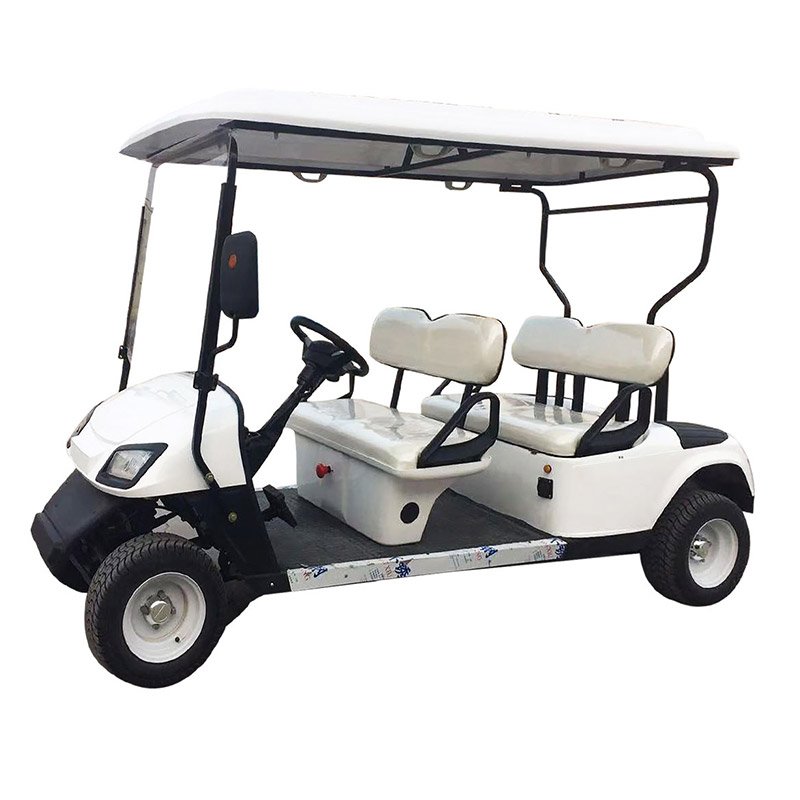
MV-A4 · Catalogue configuration
MV-A4 4 Seater Golf Cart
Ask about the exact vehicle and proposed accessory; compatibility requires confirmation.
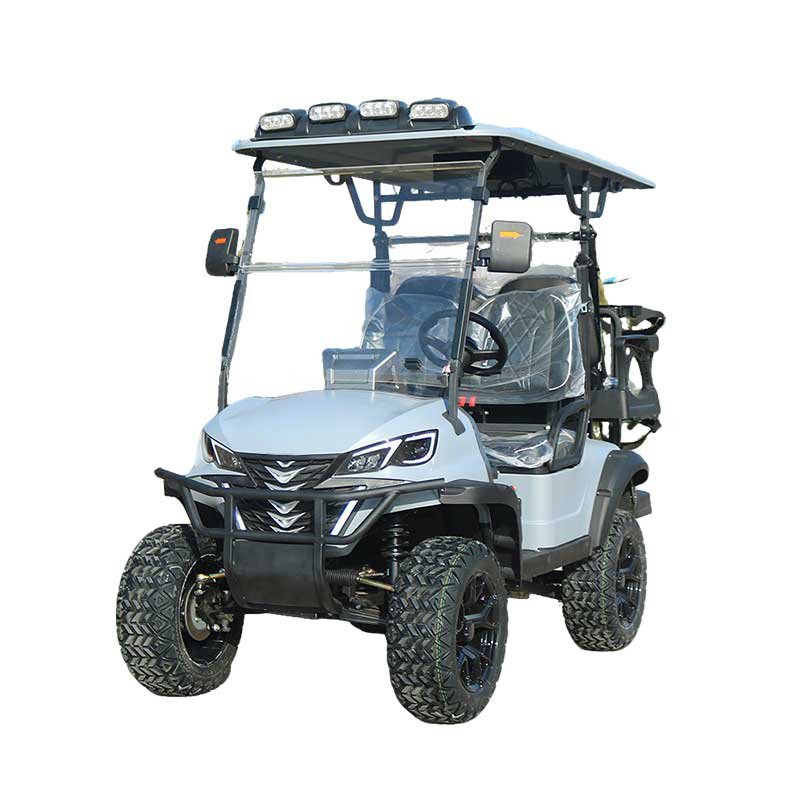
MV-C2+2 · Catalogue configuration
MV-C2+2 4 Seater Golf Carts
Ask about the exact vehicle and proposed accessory; compatibility requires confirmation.
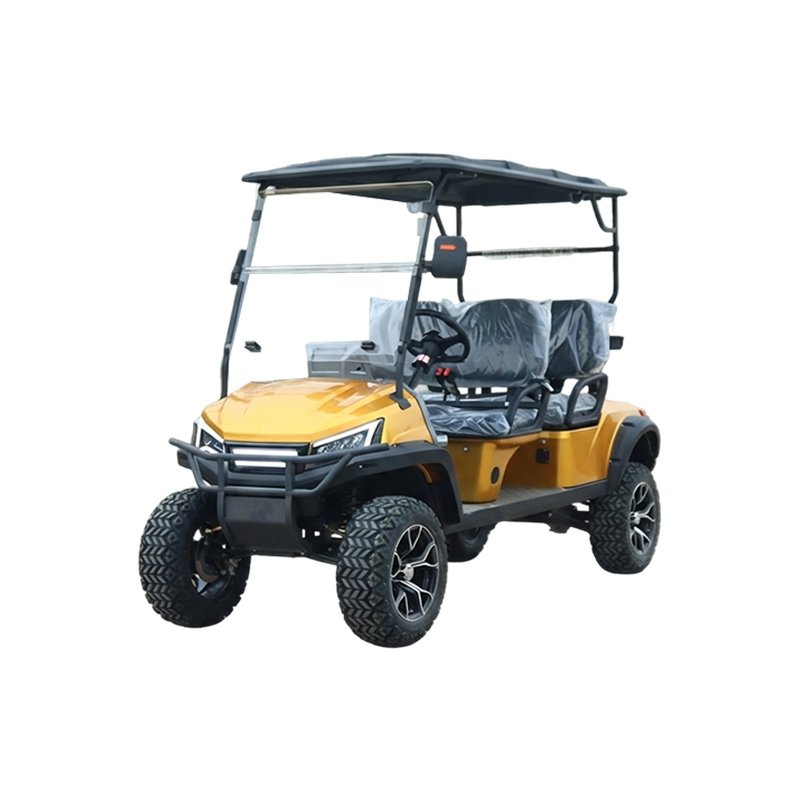
MV-D2+2 · Catalogue configuration
MV-D2+2 Chinese Golf Carts
Ask about the exact vehicle and proposed accessory; compatibility requires confirmation.
Discuss your fleet requirements
Tell us your passenger needs, quantity, operating location and delivery destination.

