




A useful golf cart fleet configuration brief tells the supplier what work the vehicles must perform, where they will operate, which equipment is required and who will approve the final specification. Write it before requesting prices. The objective is a shared, version-controlled buying document that turns operational needs into questions the supplier can answer. It should distinguish confirmed requirements from assumptions and optional preferences.
For a resort, course or campus, the hardest requirement is often hidden in a short phrase such as “guest transport.” That phrase does not explain luggage, shift overlap, covered parking or the narrowest turnaround. This guide provides a practical document structure rather than a vehicle performance guarantee. Start with your own operating observations and use the MOVIVEX fleet planning page to organize the conversation.
Begin with the job, not a catalogue model
Give the brief an owner, revision number and decision date. State the main task in a sentence: for example, scheduled passenger transfers between specified buildings during defined service periods. List secondary tasks separately. A cart intended for guest transfers might occasionally carry staff, but a vehicle assigned to equipment movement needs a different review of its layout and permitted load.
Record who will drive, who will dispatch and who will maintain the vehicles. These roles influence the documentation and training questions you should ask. Include the current fleet only where it establishes a genuine requirement, such as a parking-space constraint. Avoid copying an old model specification simply because it was purchased previously.
The U.S. Department of Energy’s fleet management framework connects vehicle selection with mission needs and observed use. That is useful planning context here; its federal requirements are not being presented as rules for your private golf cart site. Describe the actual service first, then invite the supplier to explain an appropriate configuration.

Describe the route in information a supplier can use
Attach a simple route plan with start points, destinations and turnaround areas. Identify the route segment that creates the hardest operating condition, rather than reporting only the average trip distance. Provide measured clearances where available and label any estimates. Photographs of entrances, loading areas and parking spaces can help explain constraints without asking the supplier to infer them from a location name.
Separate your observations from engineering acceptance. A narrow passage, uneven surface or incline is a condition to assess, not evidence that a particular cart can handle it. Ask how the proposed vehicle should be evaluated against the route, using the applicable instructions and qualified site review. Do not invent a safe slope, turning allowance or braking distance in the brief.
Record typical operating hours, repeated stops, passenger boarding time and the busiest period. Explain whether a vehicle must return to a fixed base or circulate continuously. If the route changes seasonally, describe both conditions. An operating profile built from actual observations is easier to review than an optimistic daily-distance estimate with no supporting trip record.
Turn passenger needs into configuration questions
Passenger count is a starting point, not the entire specification. Record the intended seating arrangement, baggage needs, boarding location and passenger assistance process. Ask the supplier to show the exact ordered layout. A description such as “four seats” should not silently settle the position of those seats, luggage storage or whether an accessory is included.
Use the seating capacity guide for an initial comparison and then refer to the confirmed vehicle documentation. If accessibility is part of the service requirement, describe the assistance need clearly and seek a suitable verified solution. Do not treat a standard catalogue vehicle as accessible solely because it has passenger seats.
| Brief section | Buyer supplies | Supplier confirms |
|---|---|---|
| Duty and route | Service periods, stops, route photos and measured constraints | Proposed configuration and review conditions |
| Passenger layout | Occupancy, luggage and boarding needs | Exact layout and permitted use |
| Energy and charging | Parking location, available facilities and shift pattern | Battery, charger and installation information |
| Equipment | Required, optional and excluded items | Included quantities and item descriptions |
| Approval | Decision owner and unresolved questions | Written response and final specification revision |
Specify battery and charging information without guessing
Request the exact battery arrangement and compatible charger in the written proposal. Describe where the vehicles will park between shifts and who controls access to that location. Local electrical capacity and installation requirements belong with a qualified adviser. The brief should capture those questions and their owners rather than promise that an existing socket or charger will be suitable.
Ask what operating instructions, care information and service references will be supplied for the chosen configuration. Keep battery-specific requirements separate from general housekeeping. The charging and battery care article can help frame the discussion, but the delivered model’s documentation takes priority over a general comparison.
When the buying team is considering alternative configurations, give each alternative its own row and ask the supplier to explain changes in included equipment. Do not combine a preferred battery, another model’s charger and an assumed operating range into an imaginary package. Mark unknowns explicitly so the final approval does not rest on a mixture of catalogue examples.

Separate mandatory equipment from preferences
Create three lists: required equipment, optional equipment to quote separately and items explicitly outside the request. For each accessory, state the quantity and purpose. A rain cover, storage fitting or passenger convenience item may sound straightforward but still needs a confirmed description. The MOVIVEX catalogue helps identify candidates; it does not replace the final order schedule.
Ask the supplier to flag any requirement that is unavailable, dependent on another item or inconsistent with the proposed configuration. Require an answer to each numbered question instead of accepting a general statement that everything is included. NIST’s supplier selection discussion highlights capabilities and documentation as useful parts of supplier evaluation. Apply that idea through specific written questions.
Document who may approve substitutions. A purchasing contact should not quietly change an operating requirement because another item is easier to obtain. Maintain a revision log showing the question, proposed change, reason and approval. This makes differences visible before production or shipment rather than leaving staff to discover them when the fleet arrives.
Related video: questions before choosing a configuration
This independent buyer overview introduces configuration questions. Use it to prepare your requirement list; its examples are not MOVIVEX specifications.
Third-party educational video by Gary Abbott. Watch on YouTube
Connect the brief to the quotation and delivery records
Attach the approved brief to the request for quotation and ask the supplier to identify its revision in the response. Use the fleet quotation comparison checklist to assess commercial scope after the technical questions are clear. Configuration approval and price approval can be separate decisions, with different owners and evidence.
Trade.gov’s pro forma invoice guidance describes the detailed order information used in international quotations. Align the named items and quantities with your approved brief. For delivered equipment, its packing list overview provides document context; a packing record still does not prove that the vehicle matches every operational requirement.
Include documentation and support questions alongside the vehicles. Ask for model identification, approved service references, contact routes and the records expected at handover. NIST’s supply chain management overview offers broader procurement context. Your own brief should translate that context into clear responsibilities without promising a supplier response time that has not been agreed.
A final review before asking for an offer
Read the brief from the perspective of someone who has never visited the site. Can that person understand the service, distinguish estimates from measurements and find the unanswered questions? Remove conflicting quantities and unexplained abbreviations. Check that the operations owner has approved route and passenger requirements and that the facilities contact owns infrastructure questions.
Send one controlled version with a response deadline and a named contact for clarification. Retain supplier answers against the same question numbers. When ready, request a MOVIVEX fleet quotation with your passenger requirement, intended quantity, operating location and destination. A concise but complete brief gives both sides a stronger basis for a useful discussion.
Frequently asked questions
Does the configuration brief need to name a model?
It can name a candidate, but begin with the duty and constraints. Ask the supplier to confirm how the exact proposed configuration responds to those requirements rather than assuming that a model name establishes compatibility.
Should every requirement be finalized before contacting the supplier?
No. Separate confirmed requirements from questions needing supplier or site advice. An explicit unknown is useful; an undocumented assumption is harder to discover and resolve.
Can one brief cover several routes?
Yes, if each route has a clear profile and the supplier can see which vehicles serve it. Identify conflicting conditions and explain whether one shared configuration or separate assignments are being considered.
What should be retained after the order is placed?
Keep the approved brief, written answers, final configuration schedule and change approvals together. Link them to the delivery and vehicle records so the operating team can identify what was actually ordered.
Explore related MOVIVEX golf carts
Use these existing catalogue vehicles as starting points for a configuration discussion. Confirm the ordered specification and support scope in writing.
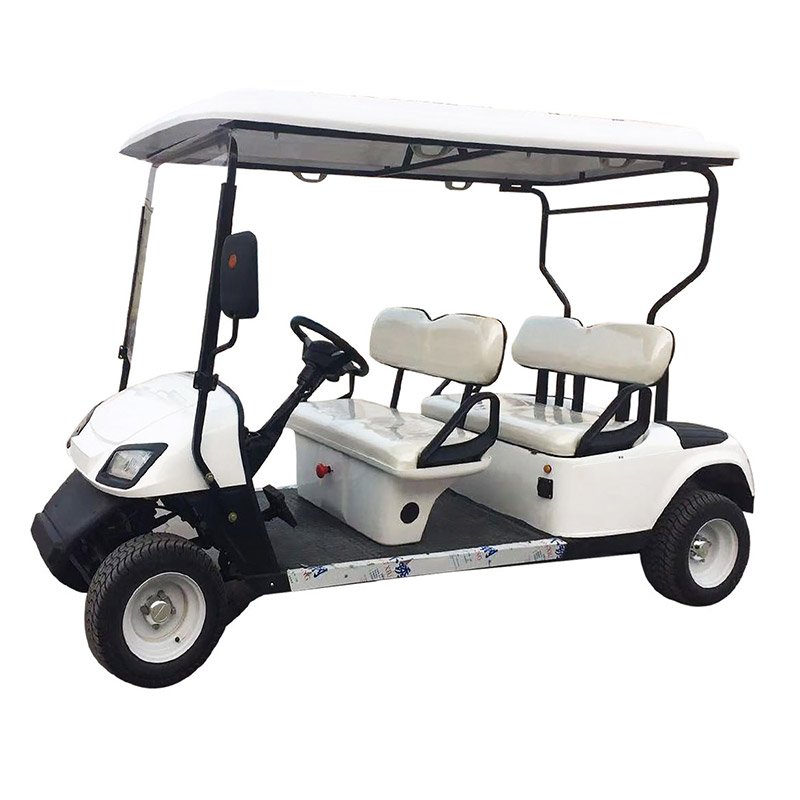
MV-A4 · Catalogue configuration
MV-A4 4 Seater Golf Cart
Discuss seating, equipment and documentation against your written configuration brief.
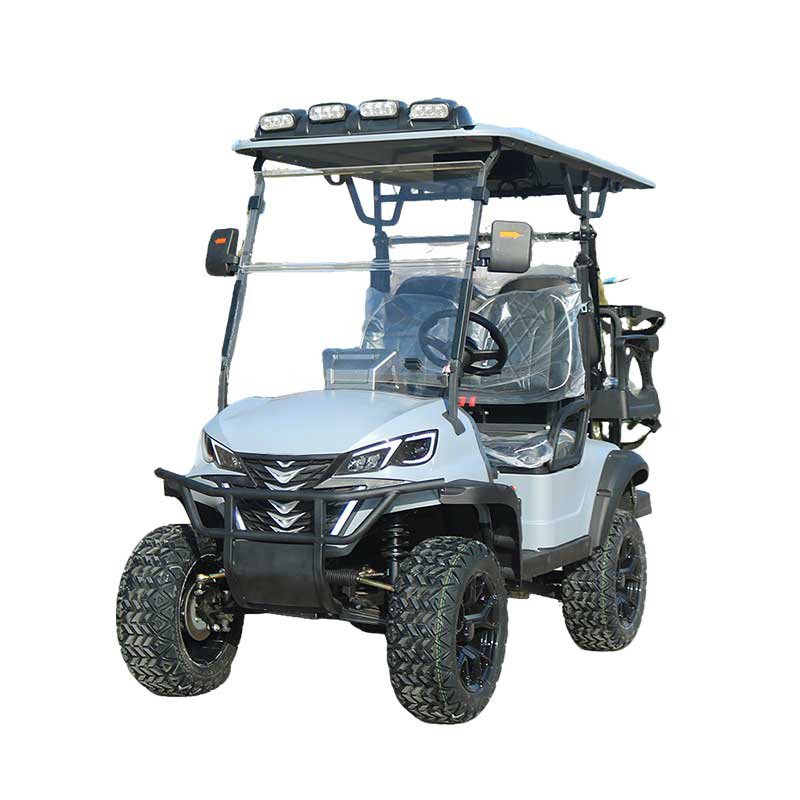
MV-C2+2 · Catalogue configuration
MV-C2+2 4 Seater Golf Carts
Discuss seating, equipment and documentation against your written configuration brief.
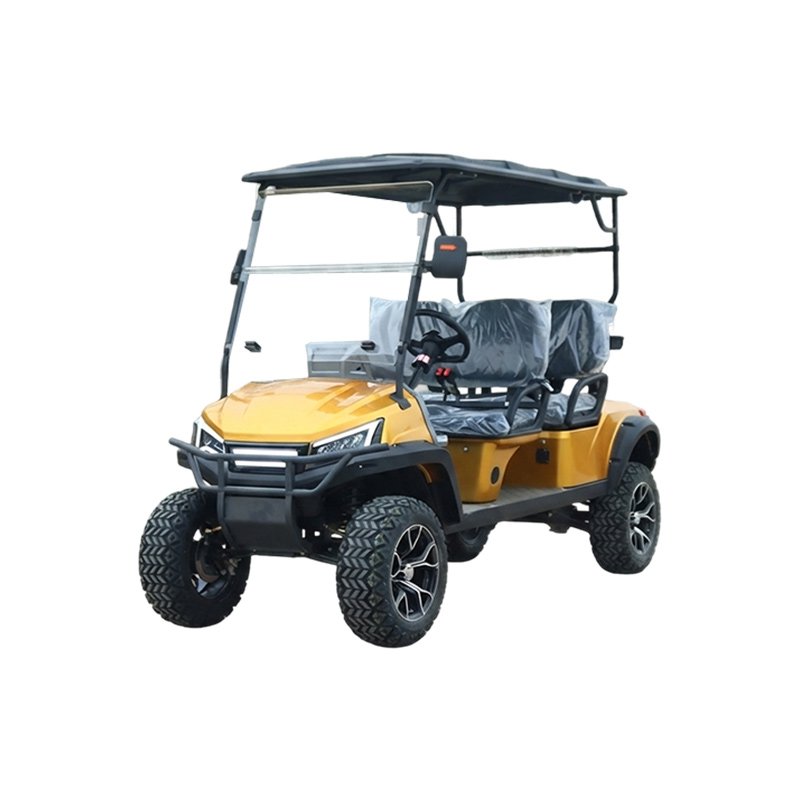
MV-D2+2 · Catalogue configuration
MV-D2+2 Chinese Golf Carts
Discuss seating, equipment and documentation against your written configuration brief.
Discuss your fleet requirements
Tell us your passenger needs, quantity, operating location and delivery destination.