




A contract golf cart shuttle responsibility matrix should identify who controls each operating decision when another employer provides the service. Agree the site information, vehicle and driver evidence, supervision, change notices and escalation route before passengers depend on the arrangement.
The matrix is an operational coordination aid, not a substitute for the contract or a determination of legal duties. This guide concerns an external operator providing a shuttle service. Hiring vehicles for an existing in-house team or appointing a maintenance provider involves different interfaces and should retain its own records.
Name the parties and the service boundary
Identify the site contact, operator contact and the actual duty being provided. Clarify which locations, operating periods and passenger service are included. A broad statement such as “contractor handles transport” may leave reception, dispatch and facilities staff with different assumptions.
HSE’s managing-contractors guidance discusses suitability, site information, supervision and agreed arrangements. It is general UK workplace transport guidance. Use it to frame coordination questions while confirming applicable local and contractual requirements with appropriate advice.
Connect the service description to the actual campus or community operating plan. The matrix should describe the interface between organizations, rather than replacing the route assessment or assuming that purchasing a vehicle establishes a complete passenger service.

Allocate the decisions rather than listing names alone
For each activity, identify who supplies information, who makes the relevant decision and who needs to be informed. Include a working backup contact where appropriate. A person named on the cover sheet may not have authority to resolve a vehicle or route question.
Record the practical process for uncertainties. If the site and operator disagree about a proposed arrangement, identify how the issue is escalated and what status applies while it is unresolved. Do not let a pending commercial conversation become an assumed permission to operate.
HSE’s organising guidance provides general context on responsibility and cooperation. Apply that principle to the actual parties and decisions. A responsibility table should not imply that statutory obligations can simply be transferred away by changing a column heading.
| Interface | Question to agree | Evidence to retain |
|---|---|---|
| Site information | Who issues current routes, restrictions and stop arrangements? | Controlled site references |
| Vehicles | Who supplies identity and suitability information? | Actual configuration and accepted-duty records |
| Drivers | Who checks competence and provides site familiarization? | Appropriate authorization and briefing evidence |
| Changes | Who approves and communicates replacements or revised duties? | Change record and notices |
| Exceptions | Who resolves a hold, interruption or emergency interface? | Named escalation and response arrangements |
Agree vehicle and driver evidence before service
Identify the actual vehicles proposed for the duty and which configuration information the site reviewer needs. Clarify how substitutions are handled. An operator’s general fleet list does not establish that every available unit is accepted for every site route.
Keep vehicle review linked to the route acceptance process. If temporary vehicles are involved, use the relevant vehicle integration record without confusing vehicle hire with the separate appointment of a service operator.
HSE’s competence guidance provides general background on training, knowledge, skills, experience and application. Agree the evidence appropriate to the drivers and duties, including the actual site familiarization. Attendance at a briefing alone should not be presented as proof of every relevant competence.
Keep upkeep and operating status connected
Agree who receives defects, who arranges the applicable work and who communicates current availability. Identify the evidence needed for the relevant decisions. The matrix should make the interface clear without inventing technical procedures or declaring a vehicle ready from an invoice alone.
HSE’s inspection and maintenance overview discusses manufacturer guidance and appropriate checks in a broader workplace setting. It does not provide maintenance intervals or release criteria for a particular MOVIVEX configuration.
Distinguish the operator’s service responsibility from an external maintenance provider’s accepted task scope. One organization may perform both roles, but the decision and evidence for each should remain identifiable.

Define supervision and change notices
Agree who supervises the day-to-day service and how the site raises an observation. Include the process for changed routes, events, passenger requirements and vehicle substitutions. A current map held by the site is of limited use if the operator’s next shift still follows an older instruction.
HSE’s communication guidance supports clear and current working information. Use consistent location names and a reliable way to confirm that important notices reached the people who act on them.
Connect the operator’s arrangements to the site’s shift handover and dispatch protocol. The responsibility matrix owns the organizational interface; those procedures handle the current service state and live assignments.
Resolve interruption and emergency interfaces in advance
Identify how the site and operator coordinate when service must be held, a vehicle becomes unavailable or a passenger needs assistance. Include current emergency contacts and the information needed to identify the actual location. Do not make urgent assistance wait for routine commercial approval.
The matrix should link to the site’s applicable emergency and weather plans, including relevant lightning suspension arrangements. It should not create a competing set of emergency instructions or promise that every disruption will be resolved within an invented response time.
An illustrative exercise might reveal that both parties expected the other to notify reception after a route closure. Resolve that missing owner and confirm the working message route. This is a planning example, not a measured incident or claimed result from a MOVIVEX project.
Review the interface with the people using it
Test the matrix against ordinary exceptions before service begins: a different vehicle arrives, a driver lacks the current site briefing, a restriction changes or the usual contact is absent. Ask the actual receiving roles what they would do next and which evidence they would need.
Keep unresolved questions visible and assign their owners. A signed document with open technical or operational questions should not be treated as complete simply because the commercial start date is approaching. Record the decision required before the affected duty can begin.
For important notices, distinguish sending a message from confirming that the receiving role understood it. Agree how receipt and outstanding questions are recorded. This helps both organizations identify which instruction is current without claiming that an email alone proves every operating condition has been accepted.
Review the matrix when the service scope, parties or important site conditions change. Preserve earlier versions so staff can trace the basis of past decisions. Avoid silently replacing the record while leaving outdated working copies with one team.
Keep the vehicle purchase discussion separate
Discuss MOVIVEX vehicle requirements through fleet planning, including the intended operating environment and documentation needs. The catalogue products below support a configuration enquiry. Their inclusion does not claim that MOVIVEX provides a contracted shuttle operator, local drivers or transport-service supervision.
Frequently asked questions
Does outsourcing remove the site’s role?
Do not assume so. Clarify actual coordination responsibilities and obtain appropriate advice on applicable duties. The matrix is an operational aid, not a legal determination.
Is this the same as hiring carts?
No. Vehicle hire supplies temporary units to an operation; this matrix concerns the interface with another employer providing the service.
Can a replacement vehicle inherit permission automatically?
Only if the relevant assessment explicitly covers it. Identify the actual configuration and follow the agreed substitution process.
What if a responsibility remains disputed?
Keep the question explicit, use the agreed escalation route and retain the appropriate temporary status. Do not convert uncertainty into assumed approval.
Related video: contractor responsibility coordination
This SafeWork SA video discusses contractor responsibilities from a South Australian regulatory perspective. Use it as coordination context, not as a statement of the law in every location or a substitute for the actual contract and appropriate local advice.
Third-party educational video by SafeWork SA. Watch on YouTube
Explore related MOVIVEX golf carts
Use these existing catalogue vehicles as starting points for a configuration discussion. Confirm the ordered specification and support scope in writing.

MV-A2 · Catalogue configuration
MV-A2 Electric Golf Cart
Discuss vehicle requirements; contracted shuttle services and local drivers are not implied.
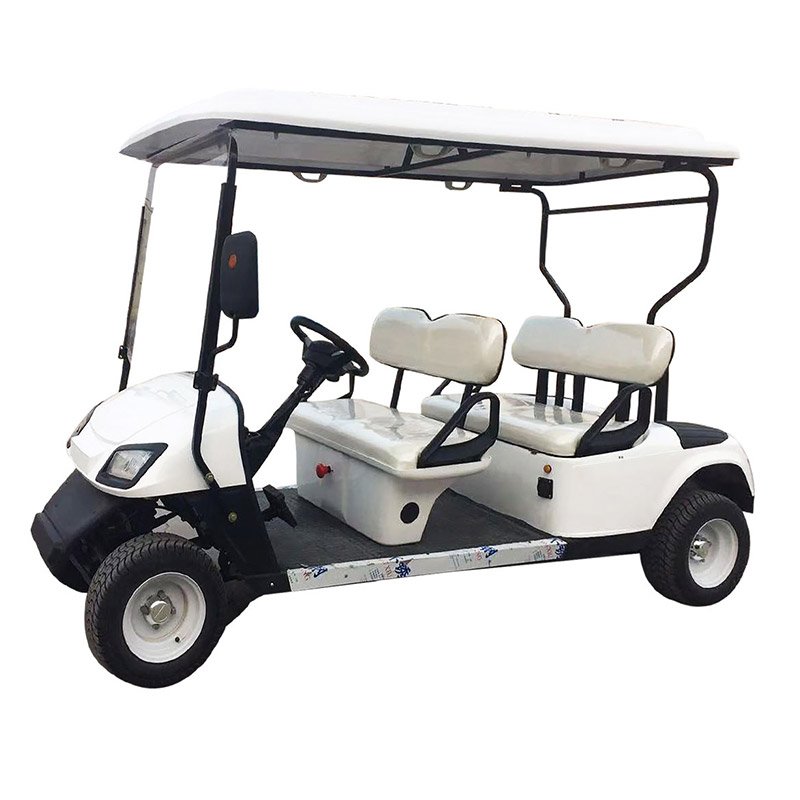
MV-A4 · Catalogue configuration
MV-A4 4 Seater Golf Cart
Discuss vehicle requirements; contracted shuttle services and local drivers are not implied.

MV-A6 · Catalogue configuration
MV-A6 6 Seater Golf Cart
Discuss vehicle requirements; contracted shuttle services and local drivers are not implied.
Discuss your fleet requirements
Tell us your passenger needs, quantity, operating location and delivery destination.

