




A golf cart route acceptance trial should answer a specific purchasing question: can the delivered configuration support the intended assignment under documented, approved operating conditions? Build a controlled plan, identify the vehicle and route, record observations consistently, and give every unresolved issue an owner. A successful demonstration on an easy loop is useful evidence, but it does not establish performance on every route or authorize operation beyond the vehicle instructions.
For commercial buyers, route acceptance follows the physical receiving check. The delivery handover checklist establishes what arrived. This plan establishes what was observed during an approved operational assessment. Keep both records, because an intact delivery and a suitable daily assignment are different decisions.
Define the assignment before organizing the trial
Describe the actual duty in ordinary language: passenger transfer between named buildings, a resort loop with scheduled stops, or a supervised campus service. Identify the route version, intended dispatch periods, approved passenger arrangement and the responsible operator. Use your fleet planning brief to keep the demonstration connected to the original purchasing requirement.
Separate confirmed requirements from unanswered questions. The operator’s instructions and ordered specification determine permissible use. A route drawing alone cannot confirm loading limits, permitted gradients, turning clearance or braking suitability. Ask the supplier to identify the applicable documentation for the exact vehicle, battery and accessories before the assessment is scheduled.
Write the decision you need to make. For example, an illustrative resort operator might need to decide whether one passenger configuration belongs on a short reception transfer rather than a longer luggage-intensive assignment. That is a placement decision, not a request to prove a universal range figure. Document the boundary so observers do not turn the trial into an improvised endurance test.

Prepare a controlled observation sheet
Use one sheet per vehicle and assessment session. Record vehicle identification, configuration, operator, date, route revision, starting conditions and the source of any instrument reading. Administrative tools can help organize this evidence: Fleetio’s inspection form documentation describes configurable inspection items. It is a recordkeeping reference, not a golf cart testing standard.
Decide what each entry means before the session. A blank answer should not mean both “not checked” and “acceptable.” Use explicit labels such as observed, not assessed, issue raised and follow-up required. Record an observation in plain language rather than making an unsupported diagnosis. “Unexpected vibration reported at the second stop” is more useful than guessing a failed component.
| Record field | What to capture | Decision supported |
|---|---|---|
| Vehicle and configuration | Identifier, seating arrangement and ordered equipment | Which exact unit was assessed |
| Route and conditions | Route revision, time, weather and surface observations | Whether the session represents the intended duty |
| Operating assignment | Approved loading arrangement and planned stops | Whether the demonstrated use matches the requirement |
| Observed results | Timing, available readings and operator comments | What was actually demonstrated |
| Open items | Issue reference, owner and agreed next step | Whether release or reassessment is appropriate |
Represent normal work without inventing extreme tests
Choose the route with the site manager and an appropriately qualified operator. Confirm that the proposed assessment can be conducted under the applicable instructions and site controls. Avoid public demonstrations that mix unfamiliar operators, passengers and an unreviewed route. This article does not provide a procedure for brake testing, slope testing or operation at a vehicle’s limits.
Representative use includes practical details that a showroom demonstration can miss: stop locations, boarding arrangements, luggage handling and the dispatch sequence. Verify seating and loading against the approved configuration; do not treat an extra seat, cargo area or accessory as permission to exceed a documented limit. Review the available MOVIVEX catalogue configurations as discussion starting points rather than interchangeable operating specifications.
Record deviations from the plan. If a stop is unavailable or weather changes, note the difference and decide whether the evidence still supports the intended decision. An assessment on a shortened route should be described as a shortened assessment. Preserve uncertainty rather than filling missing observations with estimates that look like measured results.
Record time and energy readings with their limitations
Capture departure, arrival, stop durations and interruptions using a consistent method. Distinguish movement time from waiting time. A delay caused by a closed gate says something about route operations, but it does not by itself demonstrate a vehicle defect. Where readings are available, record the displayed value and its source without converting it into a guaranteed distance or runtime.
The Department of Energy’s managed charging guidance highlights arrival and departure timing in fleet energy planning. Its road-EV context supports asking scheduling questions here; it does not establish golf cart charger compatibility, charging duration or battery capacity. Those details must come from the exact equipment documentation.
Keep the starting condition, interruptions and end condition together. Two sessions with different routes, loads or starting readings cannot automatically be compared as a controlled performance test. If the procurement decision requires a formal performance guarantee, agree the method and acceptance criteria with the supplier in writing before relying on an informal route observation.

Turn observations into a documented release decision
At the end of the session, review the evidence with the person authorized to accept the assignment. Summarize what was assessed, what was outside scope and which issues remain open. A record should identify the reviewer and decision date rather than silently implying approval because the vehicle returned to the parking area.
Use an explicit outcome: accepted for the documented assignment, follow-up required before assignment, or further assessment needed. Apply the site’s authorized release process and the relevant vehicle instructions. A purchasing coordinator should not override a safety concern or substitute commercial urgency for an appropriate technical assessment.
Link each open item to a single issue reference. Record the supplier contact, requested information and next review point. If a later reassessment resolves the item, retain the original observation and add the resolution. The inspection reports documentation illustrates how submissions and failures can be organized separately; the same separation is useful even in a simple spreadsheet.
Related video: structured golf cart inspection records
This golf cart inspection checklist overview supports structured observation records. Follow the exact vehicle instructions and your approved route assessment plan; the video is not a performance testing procedure.
Third-party educational video by devtraincthechecker. Watch on YouTube
Keep acceptance separate from routine service and purchasing
A route acceptance record is a dated decision about an assignment. It should not become a replacement for the ongoing fleet service log. Transfer relevant open issues to the operating records, while preserving the original acceptance evidence and the conditions under which the decision was made.
Give the record a stable filename or reference and store supporting photographs with the vehicle identifier. Avoid a folder of unlabeled pictures that cannot be tied to a session. Fleetio’s reporting overview provides general context for reviewing vehicles, inspections and issues together. A small fleet can apply that organizing principle without adopting a particular software platform.
If the trial reveals a mismatch in the requested configuration, update the purchasing discussion rather than rewriting the observation. The NIST supply-chain resource provides broader supplier-planning context. For this fleet, the practical next step is a clearly scoped MOVIVEX configuration enquiry containing the assignment, quantity and unresolved requirement, without assuming a warranty or service commitment.
Frequently asked questions
Is a route trial the same as a delivery inspection?
No. Delivery inspection records the received vehicle, equipment and visible condition. Route acceptance records observations during an approved operational assessment. Keep separate decisions and connect them through the vehicle identifier.
Should every vehicle complete exactly the same assessment?
The responsible reviewer should decide the appropriate scope for the fleet and configurations. Do not assume that evidence from one unit establishes the condition or suitability of every delivered unit.
Can one trial establish a guaranteed range?
An informal route session records results under its documented conditions. It cannot establish a universal range promise. Formal performance claims require an agreed method, applicable conditions and supplier-confirmed criteria.
What should accompany a request for follow-up?
Provide the vehicle identifier, route version, observation time, clear description and relevant evidence. Ask for the next authorized step and keep the issue open until the responsible reviewer records its resolution.
Explore related MOVIVEX golf carts
Use these existing catalogue vehicles as starting points for a configuration discussion. Confirm the ordered specification and support scope in writing.
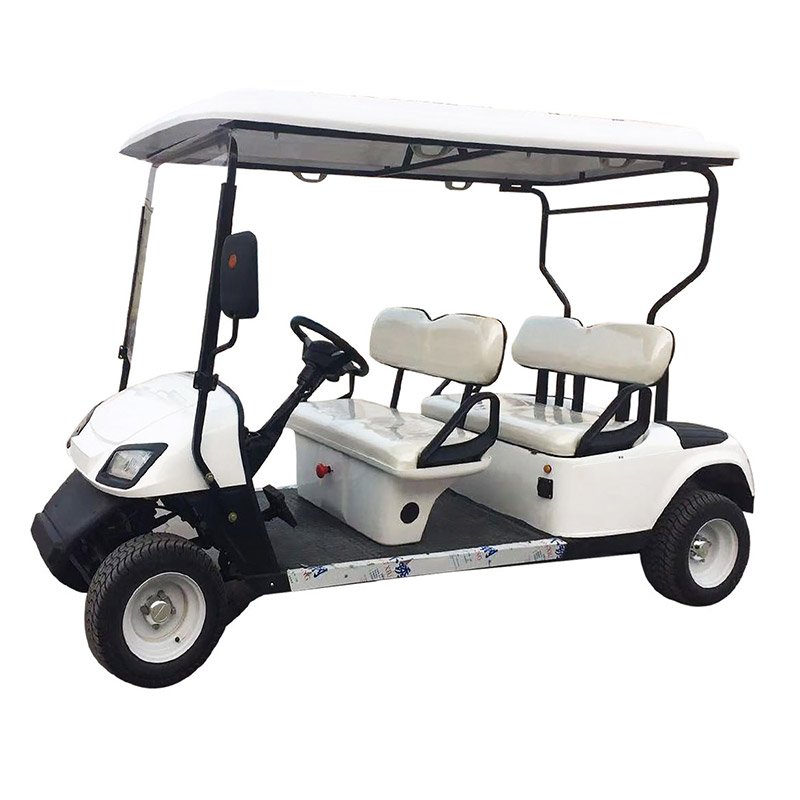
MV-A4 · Catalogue configuration
MV-A4 4 Seater Golf Cart
Discuss this configuration against your approved route assignment and acceptance requirements.
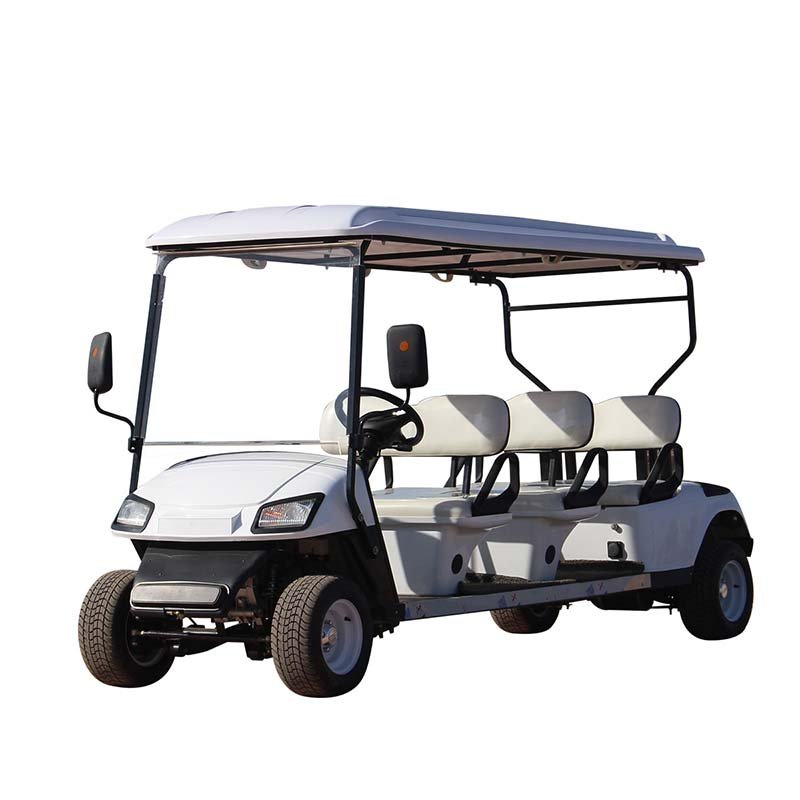
MV-A6 · Catalogue configuration
MV-A6 6 Seater Golf Cart
Discuss this configuration against your approved route assignment and acceptance requirements.
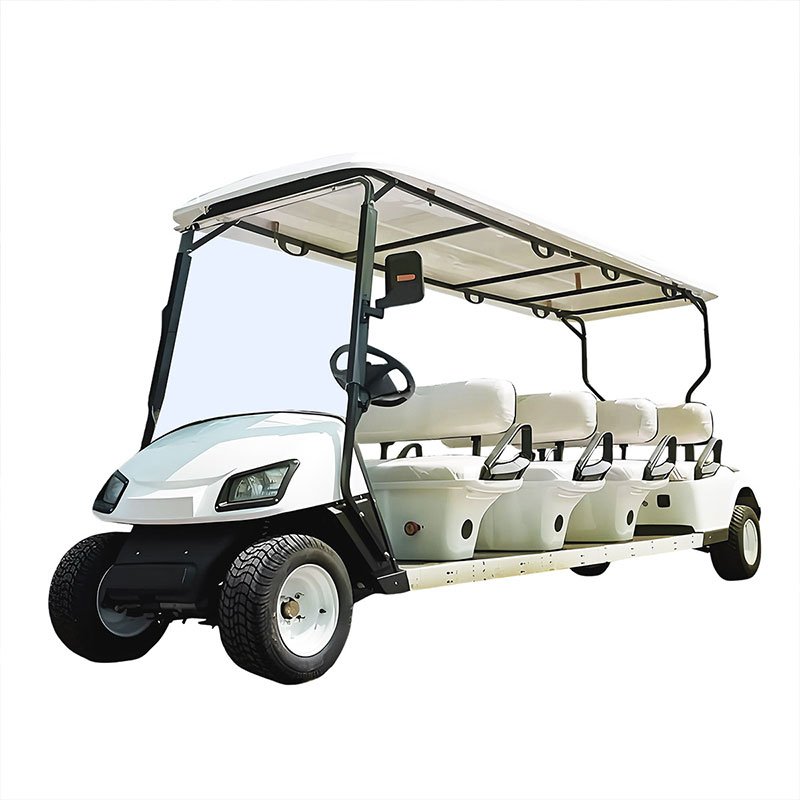
MV-A8 · Catalogue configuration
MV-A8 8 Seat Golf Cart
Discuss this configuration against your approved route assignment and acceptance requirements.
Discuss your fleet requirements
Tell us your passenger needs, quantity, operating location and delivery destination.