



Campus and Community Electric Cart Planning is ultimately an operating decision. Buyers need a vehicle system that moves the required people or goods, returns reliably for its next assignment and can be supported at the destination. A specification that looks complete can still fail if route conditions, charging windows, maintenance labor or import obligations were left outside the conversation.
This guide is written for campus, hospital, community and property operations teams. It focuses on the questions that should be answered before a quotation is compared, a sample is approved or a production order is released. The aim is not to prescribe one universal configuration; it is to help the buyer document a defensible choice and identify what must be confirmed with the supplier and local authority.
Start by reviewing the MOVIVEX product range and the application-focused MOVIVEX solutions. Use the framework below to turn site information into a project brief. Where a rule or safety requirement applies, rely on current official guidance and qualified local advice.
Define permitted uses
For campus, hospital, community and property operations teams, this part of campus electric cart planning deserves a written operating assumption rather than a verbal preference. Passenger transport, security patrol, facilities response, food service and light cargo should be documented as distinct missions. Assigning each mission a vehicle type, route and operating owner prevents informal use from expanding beyond the original safety case. The useful question is not whether one option sounds better in isolation, but whether it remains workable through peak demand, charging, cleaning, inspection and an unexpected vehicle outage.
Build the decision from route observations, supplier documentation and destination rules. Record the expected condition, the acceptance method and the person responsible for confirming it. During a sample review, involve the people who dispatch, drive, maintain and pay for the fleet; each group sees a different failure mode. This converts “define permitted uses” from a sales discussion into an auditable requirement.
A practical next step is to create a one-page worksheet for this topic. List the current situation, target service level, worst credible operating day, evidence required from the supplier and the fallback if the preferred configuration is unavailable. Score the result after a pilot or factory review. The worksheet becomes part of the quotation comparison and later provides a baseline for commissioning, training and the first maintenance review.
Separate carts and pedestrians where possible
For campus, hospital, community and property operations teams, this part of campus electric cart planning deserves a written operating assumption rather than a verbal preference. Map narrow paths, blind corners, door exits, crossings and high-footfall periods. Physical separation, marked stops and predictable direction of travel are stronger controls than expecting every pedestrian to hear a quiet electric vehicle. The useful question is not whether one option sounds better in isolation, but whether it remains workable through peak demand, charging, cleaning, inspection and an unexpected vehicle outage.
Build the decision from route observations, supplier documentation and destination rules. Record the expected condition, the acceptance method and the person responsible for confirming it. During a sample review, involve the people who dispatch, drive, maintain and pay for the fleet; each group sees a different failure mode. This converts “separate carts and pedestrians where possible” from a sales discussion into an auditable requirement.
A practical next step is to create a one-page worksheet for this topic. List the current situation, target service level, worst credible operating day, evidence required from the supplier and the fallback if the preferred configuration is unavailable. Score the result after a pilot or factory review. The worksheet becomes part of the quotation comparison and later provides a baseline for commissioning, training and the first maintenance review.
For a concrete comparison point, review the A Series passenger carts and note how seating, wheelbase and application details change from one model to another.
Choose the right vehicle class
For campus, hospital, community and property operations teams, this part of campus electric cart planning deserves a written operating assumption rather than a verbal preference. A golf cart, utility cart and road-legal low-speed vehicle may look similar but can be subject to different equipment and operating rules. Confirm the destination classification, registration, lighting and road-use requirements before specifying the fleet. The useful question is not whether one option sounds better in isolation, but whether it remains workable through peak demand, charging, cleaning, inspection and an unexpected vehicle outage.
Build the decision from route observations, supplier documentation and destination rules. Record the expected condition, the acceptance method and the person responsible for confirming it. During a sample review, involve the people who dispatch, drive, maintain and pay for the fleet; each group sees a different failure mode. This converts “choose the right vehicle class” from a sales discussion into an auditable requirement.
A practical next step is to create a one-page worksheet for this topic. List the current situation, target service level, worst credible operating day, evidence required from the supplier and the fallback if the preferred configuration is unavailable. Score the result after a pilot or factory review. The worksheet becomes part of the quotation comparison and later provides a baseline for commissioning, training and the first maintenance review.
For regulatory context, consult the current official resource: NHTSA guidance. Destination requirements can change, so confirm applicability for the actual vehicle and route.
Plan mixed passenger and cargo work
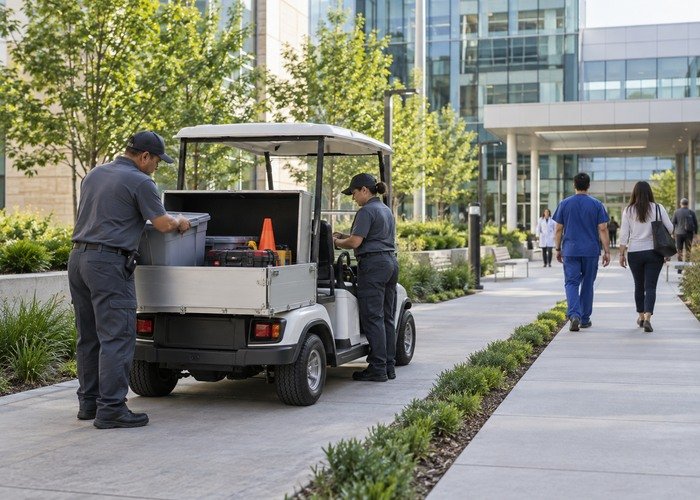
For campus, hospital, community and property operations teams, this part of campus electric cart planning deserves a written operating assumption rather than a verbal preference. Avoid loading tools or parcels where they interfere with passengers, controls or visibility. Purpose-built cargo boxes and restraint points improve repeatability. If a vehicle changes role during the day, define the conversion steps and maximum payload clearly. The useful question is not whether one option sounds better in isolation, but whether it remains workable through peak demand, charging, cleaning, inspection and an unexpected vehicle outage.
Build the decision from route observations, supplier documentation and destination rules. Record the expected condition, the acceptance method and the person responsible for confirming it. During a sample review, involve the people who dispatch, drive, maintain and pay for the fleet; each group sees a different failure mode. This converts “plan mixed passenger and cargo work” from a sales discussion into an auditable requirement.
A practical next step is to create a one-page worksheet for this topic. List the current situation, target service level, worst credible operating day, evidence required from the supplier and the fallback if the preferred configuration is unavailable. Score the result after a pilot or factory review. The worksheet becomes part of the quotation comparison and later provides a baseline for commissioning, training and the first maintenance review.
Charging and parking hubs
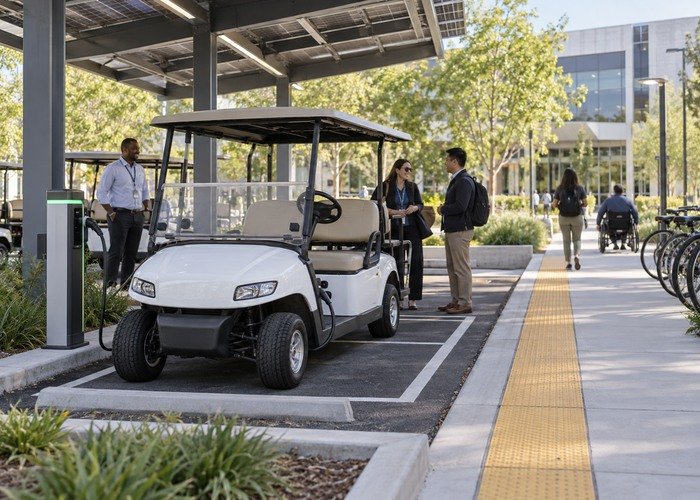
For campus, hospital, community and property operations teams, this part of campus electric cart planning deserves a written operating assumption rather than a verbal preference. Locate hubs near actual duty areas without blocking fire access or pedestrian movement. Consider electrical capacity, cable management, ventilation, weather protection and overnight security. State-of-charge visibility should support dispatch rather than rely on memory. The useful question is not whether one option sounds better in isolation, but whether it remains workable through peak demand, charging, cleaning, inspection and an unexpected vehicle outage.
Build the decision from route observations, supplier documentation and destination rules. Record the expected condition, the acceptance method and the person responsible for confirming it. During a sample review, involve the people who dispatch, drive, maintain and pay for the fleet; each group sees a different failure mode. This converts “charging and parking hubs” from a sales discussion into an auditable requirement.
A practical next step is to create a one-page worksheet for this topic. List the current situation, target service level, worst credible operating day, evidence required from the supplier and the fallback if the preferred configuration is unavailable. Score the result after a pilot or factory review. The worksheet becomes part of the quotation comparison and later provides a baseline for commissioning, training and the first maintenance review.
The B Series electric carts offers another product reference when comparing body layout, passenger use and fleet configuration.
Training and authorization
For campus, hospital, community and property operations teams, this part of campus electric cart planning deserves a written operating assumption rather than a verbal preference. Create an authorized-driver process with route rules, pre-use inspection, passenger limits, parking expectations and incident reporting. Refresher training should follow observed behavior and route changes, not merely a calendar reminder. The useful question is not whether one option sounds better in isolation, but whether it remains workable through peak demand, charging, cleaning, inspection and an unexpected vehicle outage.
Build the decision from route observations, supplier documentation and destination rules. Record the expected condition, the acceptance method and the person responsible for confirming it. During a sample review, involve the people who dispatch, drive, maintain and pay for the fleet; each group sees a different failure mode. This converts “training and authorization” from a sales discussion into an auditable requirement.
A practical next step is to create a one-page worksheet for this topic. List the current situation, target service level, worst credible operating day, evidence required from the supplier and the fallback if the preferred configuration is unavailable. Score the result after a pilot or factory review. The worksheet becomes part of the quotation comparison and later provides a baseline for commissioning, training and the first maintenance review.
Maintenance and defect control
For campus, hospital, community and property operations teams, this part of campus electric cart planning deserves a written operating assumption rather than a verbal preference. A simple out-of-service tag and escalation process keeps defective carts from returning to work. Log tires, brakes, steering, lights, restraints, battery indicators and body damage. Trend repeated defects to improve routes and procurement specifications. The useful question is not whether one option sounds better in isolation, but whether it remains workable through peak demand, charging, cleaning, inspection and an unexpected vehicle outage.
Build the decision from route observations, supplier documentation and destination rules. Record the expected condition, the acceptance method and the person responsible for confirming it. During a sample review, involve the people who dispatch, drive, maintain and pay for the fleet; each group sees a different failure mode. This converts “maintenance and defect control” from a sales discussion into an auditable requirement.
A practical next step is to create a one-page worksheet for this topic. List the current situation, target service level, worst credible operating day, evidence required from the supplier and the fallback if the preferred configuration is unavailable. Score the result after a pilot or factory review. The worksheet becomes part of the quotation comparison and later provides a baseline for commissioning, training and the first maintenance review.
Pilot before scaling
For campus, hospital, community and property operations teams, this part of campus electric cart planning deserves a written operating assumption rather than a verbal preference. Run a representative pilot through peak hours, poor weather and actual payload. Collect driver and passenger feedback, energy use, turnaround time and near-miss observations. Update the route and vehicle specification before a larger order. The useful question is not whether one option sounds better in isolation, but whether it remains workable through peak demand, charging, cleaning, inspection and an unexpected vehicle outage.
Build the decision from route observations, supplier documentation and destination rules. Record the expected condition, the acceptance method and the person responsible for confirming it. During a sample review, involve the people who dispatch, drive, maintain and pay for the fleet; each group sees a different failure mode. This converts “pilot before scaling” from a sales discussion into an auditable requirement.
A practical next step is to create a one-page worksheet for this topic. List the current situation, target service level, worst credible operating day, evidence required from the supplier and the fallback if the preferred configuration is unavailable. Score the result after a pilot or factory review. The worksheet becomes part of the quotation comparison and later provides a baseline for commissioning, training and the first maintenance review.
Turn the guide into a supplier brief
Summarize the site, passengers or payload, daily distance, gradients, surfaces, weather, operating hours, charging opportunity and required delivery date. Then list the evidence expected with the quotation: model specification, battery and charger details, dimensions, weights, performance assumptions, available options, spare-parts proposal and warranty process. For campus electric cart planning, clarity at this stage is usually more valuable than adding options later.
Ask suppliers to identify assumptions and exceptions rather than answering only with “yes.” A useful response explains the proposed configuration, what operating condition it is based on, how it will be tested and which items remain the buyer’s responsibility. Keep comparable data in the same table so pricing differences can be traced to real scope.
Before production, agree on configuration control and change approval. Before shipment, review inspection evidence and the destination document set. At delivery, repeat identity and condition checks, then train operators and maintenance staff. After the first month, compare actual route time, energy use, defects and availability with the original brief.
If the project requires a tailored recommendation, contact the project team with route, capacity and destination details. MOVIVEX can then align the vehicle, battery, charger, accessories and documentation around a defined commercial use case.
Official references for further verification
- NHTSA official resource — check the current page and confirm how it applies to the destination and vehicle configuration.
- FMVSS official resource — check the current page and confirm how it applies to the destination and vehicle configuration.
- ADA official resource — check the current page and confirm how it applies to the destination and vehicle configuration.
- AFDC official resource — check the current page and confirm how it applies to the destination and vehicle configuration.
- OSHA official resource — check the current page and confirm how it applies to the destination and vehicle configuration.