




A discontinued battery component should trigger a documented support review, not an automatic replacement order. Identify the affected part and vehicle configurations, confirm what support remains available, and request a written mapping to any proposed alternative. Keep warranty, compatibility, installation and vehicle-release questions separate. A new product in the same manufacturer’s range is not automatically approved for the existing fleet.
This guide organizes obsolescence decisions for commercial golf cart buyers. It does not state that a MOVIVEX component has been discontinued or that MOVIVEX uses a particular battery brand. Manufacturer examples illustrate documentation questions. The exact supplied configuration and actual supplier confirmation determine the fleet decision.
Confirm the status and the affected component
Start with the component identifier, revision where available and the source of the discontinuation information. Separate a discontinued product from a temporary stock shortage or a reseller’s decision not to carry an item. Those situations can have different support and purchasing implications.
Connect the component to vehicle identifiers and the documentation held for each affected configuration. Do not assume every cart in a series contains the same ordered equipment. If the register is incomplete, ask the appropriate technical contact to resolve the identity before estimating the scale of the transition.
Keep a separate status for units whose component identity has not yet been confirmed. An illustrative register might distinguish confirmed affected units, confirmed different configurations and units awaiting review. These are administrative labels, not technical findings. They help purchasing avoid treating an incomplete count as a verified fleet-wide replacement requirement.
Trojan’s GC2 lithium page is a manufacturer-specific example of a discontinued product with supporting documents and transition information. It is not evidence that the same component is fitted to a MOVIVEX cart or that a proposed successor has been approved for your vehicle.

Ask which support continues
Request the current support position in writing. Ask which manuals, technical contacts, warranty documents and service arrangements remain applicable. Keep the answer tied to the exact product and policy rather than assuming that discontinued means unsupported or that every historical promise continues unchanged.
Record who handles a reported issue and which information they require. A purchasing contact may need help from the manufacturer or authorized technical support route. Give fleet staff the actual current contact rather than leaving them to infer the process from an older invoice.
The Trojan warranty resource provides manufacturer-specific examples of policy documentation. It does not establish MOVIVEX coverage or determine an individual claim. Use the battery warranty review checklist to organize the actual policy questions for your order.
Request a replacement mapping rather than an equivalent label
For a proposed alternative, ask the responsible supplier or manufacturer to identify the exact replacement product and the scope of its approval. Record which existing configuration it addresses and any prerequisites or conditions. A shared brand, voltage description or physical resemblance is not a complete compatibility decision.
Ask what documentation establishes system compatibility and who is responsible for the relevant technical review. Keep the response with the component register. This article does not provide a wiring, charger-selection or battery-installation procedure and does not authorize a retrofit.
If no approved mapping is available, record that explicitly. The fleet may need a further assessment or a different purchasing discussion. Do not invent an interchangeability statement to keep the spreadsheet complete or order a component on the assumption that a technician will resolve the mismatch later.
| Transition question | Evidence to retain | Decision owner |
|---|---|---|
| What is affected? | Component reference, revision and linked vehicle identifiers | Fleet asset owner |
| What support remains? | Current written policy and support contact | Supplier liaison |
| What is proposed? | Exact alternative and documented approval scope | Responsible technical reviewer |
| What work is needed? | Authorized responsibilities and required release evidence | Qualified service owner |
| What changes commercially? | Confirmed offer scope and remaining assumptions | Purchasing reviewer |
This is an illustrative decision register. It contains no promise of compatibility, availability or service duration. Add the conditions supplied by the responsible reviewer and keep unknown details visible until they are resolved.
Separate a stock decision from a system change
Review existing stock against the approved component references and current support information. A quantity on the shelf is not evidence that it is appropriate for every unit. Keep the spare-parts plan connected to the transition record without treating the two as the same decision.
A stock plan asks what approved items the fleet needs to support operations. A system change asks whether a different configuration is approved and what work and evidence it requires. Keep those questions separate so a reorder discussion does not silently become authorization for a retrofit.
The NIST supply-chain resource provides general context for supplier continuity and procurement planning. It does not determine which battery alternative is suitable. The practical output here is a traceable decision with the responsible supplier and technical contacts.

Plan the commercial and operating handoff
Ask the supplier to identify the scope of the proposal: components, documentation, assessment, installation responsibilities and any other included work. Record exclusions and questions still awaiting an answer. A replacement price alone cannot establish the total work needed or authorize a vehicle’s return to operation.
The International Trade Administration’s pro forma invoice guidance provides general transaction-document context. Use the purchasing file to connect the confirmed offer to the approved transition decision. Do not treat an invoice description as a technical compatibility certificate.
Keep dispatch informed when a unit’s availability changes. Record the authorized current status and the responsible contact. A component awaiting approval should not be assumed ready simply because a delivery date has been proposed or an old part remains installed.
Retain evidence when an approved change is completed
Record the new component identity, applicable documentation and the work and checks required by the approved process. Preserve the previous configuration history rather than replacing every old reference with the new product name. That history can matter when another unit later needs support.
Connect the result to the fleet service record. The technical process determines the required evidence and release decision. The purchasing register should show where those records are held without pretending that a completed order proves the work has been accepted.
Fleetio’s reporting overview provides administrative context for linking parts, issues and service information. A simple linked register can retain the relevant references for a smaller fleet without requiring a new software platform.
Use the review to prepare the next supplier enquiry
When considering MOVIVEX catalogue configurations, ask for the exact battery and charger information supplied with the proposed order. Product photographs and series names do not establish the support position of a particular component or approval for an alternative system.
Include the affected identifiers, confirmed support position and unresolved requirements in your fleet planning brief. When you request a quotation, separate a replacement-parts enquiry from a proposed system change and ask for the appropriate written approval route.
Frequently asked questions
Does discontinued mean that all support ends?
Do not assume that. Obtain the current written position for the exact product, policy and support route.
Is a newer product automatically interchangeable?
No. Request the documented approval scope for the actual vehicle configuration and the relevant technical process.
Should the whole fleet be changed at once?
Base the decision on actual affected components, approved options and operating requirements. This article does not prescribe a fleet-wide replacement strategy.
What is the essential record?
Retain the original component identity, support confirmation, proposed mapping, authorized work and completed release evidence.
Explore related MOVIVEX golf carts
Use these existing catalogue vehicles as starting points for a configuration discussion. Confirm the ordered specification and support scope in writing.
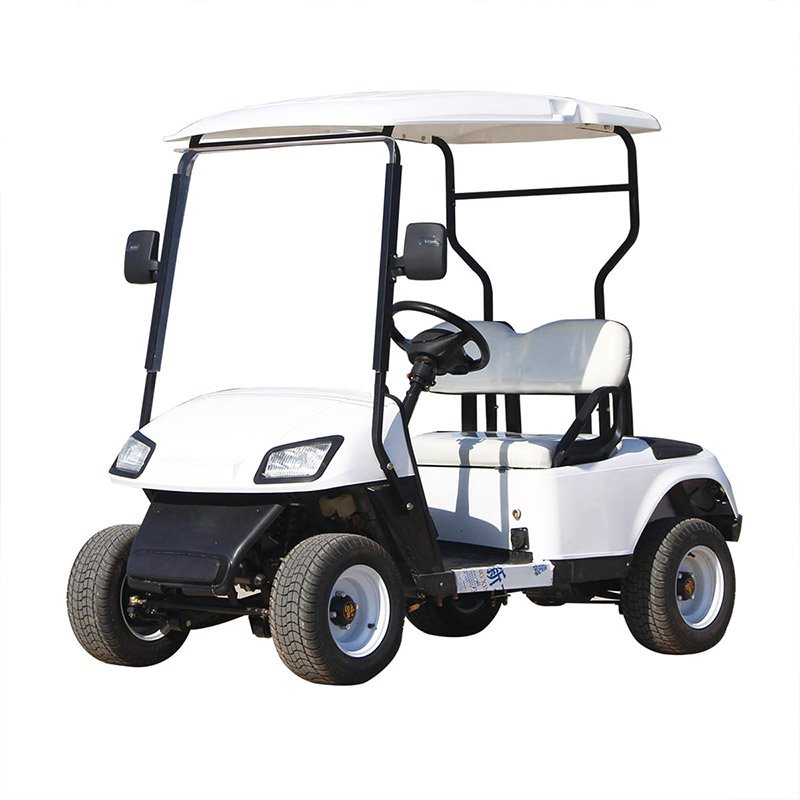
MV-A2 · Catalogue configuration
Carrinho de golfe elétrico MV-A2
Ask for the exact supplied component identification and appropriate support contact.
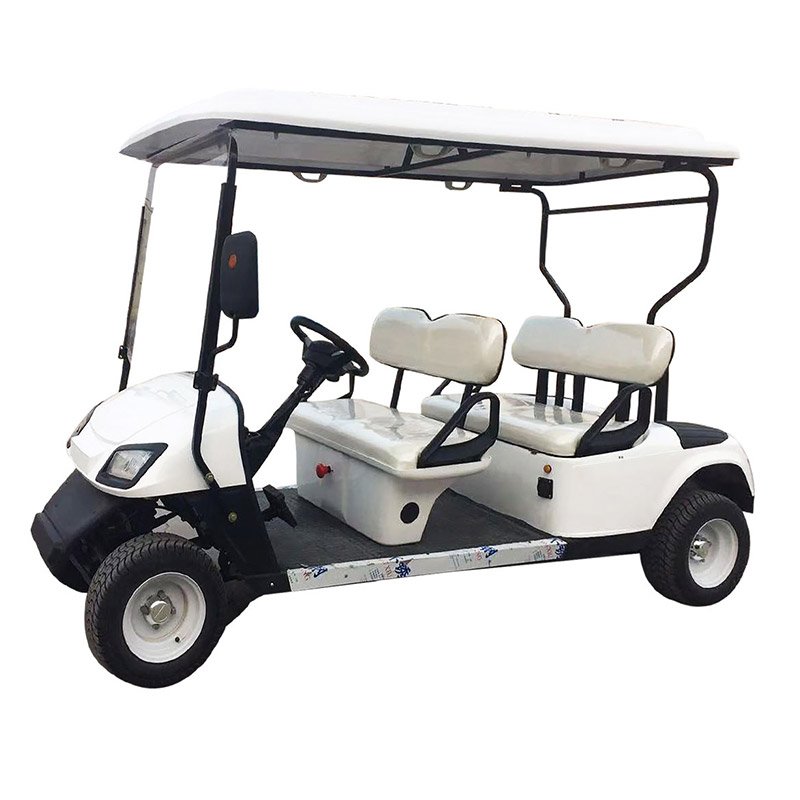
MV-A4 · Catalogue configuration
Carrinho de golfe MV-A4 de 4 lugares
Ask for the exact supplied component identification and appropriate support contact.
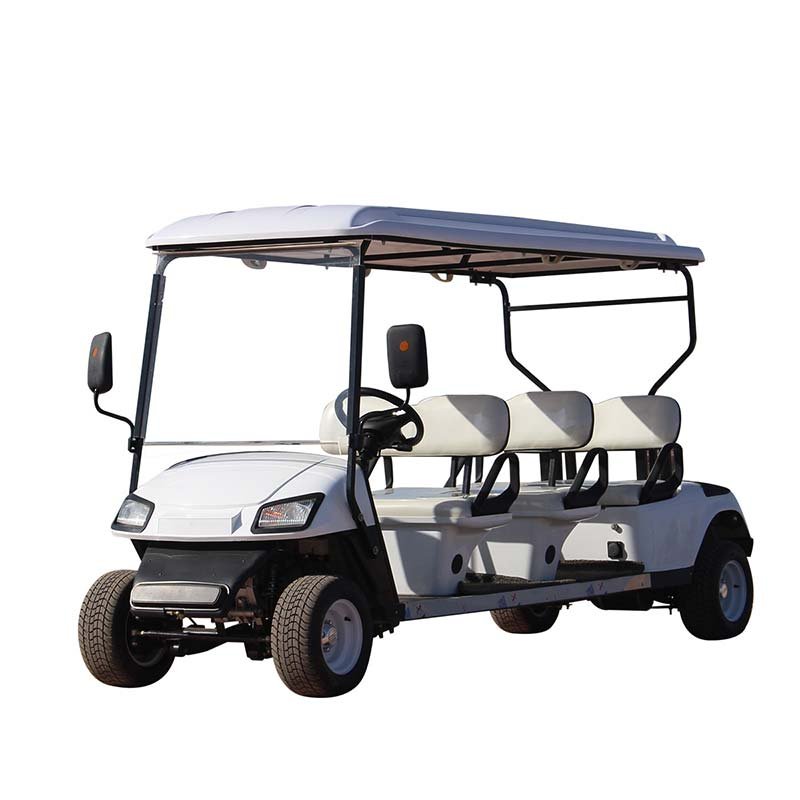
MV-A6 · Catalogue configuration
Carrinho de golfe MV-A6 de 6 lugares
Ask for the exact supplied component identification and appropriate support contact.
Discuss your fleet requirements
Tell us your passenger needs, quantity, operating location and delivery destination.

