




A spare-parts plan for an electric golf cart fleet should begin with the exact vehicle configuration, the consequences of downtime and the time needed to obtain a verified replacement. Buying a large assortment of generic parts can tie up cash without making the fleet easier to maintain. A useful plan connects each stocked item to a documented vehicle, a supported maintenance task and an agreed replenishment process.
This guide is a procurement framework for resorts, golf courses, campuses and managed properties. It does not replace the vehicle-specific service manual or a qualified technician’s diagnosis. Before ordering electrical, braking or steering components, confirm compatibility and service requirements with the supplier.
Start with a configuration register
A fleet may contain vehicles with similar bodywork but different batteries, chargers, controllers, seating layouts or accessories. Record the model, serial number, delivery batch and confirmed component references for each vehicle. Keep the original order specification and the approved parts list together. NIST’s supply-chain management overview discusses supplier evaluation and procurement strategy, providing broader context for this planning approach. If a component changes during service, update the register rather than relying on the original purchase record.
The MOVIVEX product range includes several passenger configurations. Use the actual order documents to identify what is installed on your fleet; a series name alone is not enough to establish electrical or mechanical compatibility. Ask for written confirmation when an item is offered as a replacement for a discontinued reference.

Separate routine supplies from critical components
Routine items and components that can stop a vehicle from operating should be planned differently. A low-cost consumable may be easy to replenish locally, while an expensive electronic component may require supplier diagnosis and a confirmed configuration before ordering. Grouping everything into one purchasing list obscures these differences.
| Planning group | Question to answer | Record to retain |
|---|---|---|
| Routine service supplies | Which approved tasks use these items? | Manual reference and local availability |
| Wear components | What inspection triggers replacement? | Part reference, observation and service history |
| Vehicle-stopping components | What happens to the route if this fails? | Diagnostic process and confirmed lead time |
| Configuration-specific accessories | Which vehicles actually use this version? | Fitment record and mounting requirements |
Do not infer a replacement interval from this table. Follow the relevant manufacturer documentation and use inspection records to understand demand. For recurring charging concerns, review your charging and battery-care routine before treating every symptom as a parts shortage.
Estimate demand from your own service records
Track the date, vehicle, operating context, diagnosis and item consumed for each service event. NIST’s discussion of supply-chain risk management highlights visibility into inventory and demand as useful planning inputs. Record whether a component was replaced because it was worn, damaged, incompatible or incorrectly diagnosed. These causes lead to different decisions. A part repeatedly damaged by a route hazard may indicate a route or operating problem that additional inventory cannot resolve.
When records are limited, begin with a supplier-reviewed opening list and describe the assumptions behind it. Avoid presenting an initial estimate as proven consumption. Review the list after the fleet has accumulated representative operating experience, including busy periods and quieter periods. Separate service consumption from items used for optional upgrades.
Calculate replenishment exposure
A replenishment decision needs more than the supplier’s dispatch estimate. Include the time to identify the component, obtain approval, prepare the order, ship it, clear any applicable import process and deliver it to the maintenance location. Ask which parts are held in stock and which require production or sourcing. Record the date of the supplier’s answer because availability can change.
A simple planning model is expected consumption during the confirmed replenishment period plus a separately justified contingency allowance. Both terms are site-specific assumptions, not universal quantities. Document the demand rate, the time period and the reason for the contingency. Revisit the model when lead times or operating patterns change.
Check compatibility before accepting an offer
Provide the supplier with a clear identification package: the vehicle model and serial number, the existing part reference, readable photographs and any diagnostic report from the technician. For an electrical component, have the qualified service provider identify the necessary specification. Similar appearance or a matching connector does not establish compatibility.
Request a written fitment statement, the proposed reference, the supported installation procedure and any conditions affecting warranty. Where the replacement differs from the installed component, ask who approves the change and whether other components must also change. Keep this exchange with the purchase record so future buyers do not repeat the same uncertainty. If parts are shipped internationally, also check the relevant export-document requirements with your shipping adviser; vehicle fitment still requires supplier-specific evidence.

Build storage around identification and condition
Store items according to their supplier instructions and label each location with the part reference, approved applications and quantity. Keep received items traceable to the purchase order and delivery batch. Reconcile delivered contents with the agreed packing list rather than treating a carton count as a parts count. Packaging that protects a component during transport may also carry identification or handling information; retain that information when repacking for internal storage.
Separate available stock from items awaiting inspection, returned items and components removed from vehicles. A shelf count that mixes these categories can overstate what is actually ready for use. The person issuing a part should record the vehicle and service job, allowing the purchasing team to reconcile physical stock with the service register.
Agree an after-sales process before the first breakdown
Identify the technical contact, the information needed to open a case and the process for confirming the next action. Ask whether diagnosis is remote, performed by a local service provider or handled through another arrangement. Establish the distinction between warranty review and normal parts purchasing without assuming either will automatically cover every event.
Video: building a usable spare-parts register
This fleet inventory walkthrough shows a practical way to organize parts quantities, vehicle assignments and stock records. Use the recordkeeping ideas alongside your model-specific parts list; no particular software is required.
Third-party educational video by Fleetio. Vehicle compatibility and service procedures must be confirmed with your supplier. Watch on YouTube
Ask for a written parts offer with references and quantities. The pro forma invoice guidance describes a quotation format for an international sale. Include these questions in the wider fleet ownership-cost plan. A low acquisition price does not answer how quickly a vehicle can return to service. For an imported fleet, coordinate the parts package with your shipment documentation review and confirm destination-specific requirements with the appropriate adviser.
Review the list against route continuity
A fleet with spare vehicles may tolerate a different repair lead time from a property operating every vehicle throughout the day. Consider the consequences for each route, including guest waiting time, staff movement and service recovery. Avoid stocking an expensive item solely because it could fail; balance the confirmed risk, supply time and available operating alternatives.
Use the fleet planning framework to connect maintenance capacity with vehicle availability. Review inventory after a configuration change or a new route starts. Return unused assumptions to the purchasing discussion instead of allowing an opening list to become a permanent rule.
Questions to include in your supplier request
- Can you provide an approved parts list for the exact order configuration?
- Which references are stocked, and when was availability confirmed?
- What identification and diagnostic evidence is needed before ordering?
- How are replacement references and configuration changes documented?
- What installation documentation and after-sales support are available?
- How should received items be inspected and stored?
Share your passenger configurations, operating setting and service arrangements with MOVIVEX when requesting a fleet proposal. Ask for a parts and support discussion alongside the vehicle quotation. The resulting list should be specific enough for procurement staff to order and for technicians to confirm, rather than a generic bundle with uncertain applications.
Frequently asked questions
Should every fleet buy the same starter parts package?
No. The useful opening package depends on the installed configuration, operating pattern, local service capability and confirmed supply time. Review a suggested package against those factors before approving it.
Can visually similar parts be treated as interchangeable?
Appearance alone is insufficient. Confirm the reference, fitment and relevant specification with the supplier and qualified service provider. Keep the confirmation in the configuration register.
How often should the inventory plan be reviewed?
Use a review rhythm appropriate to your operation and revisit the plan when service records, lead times, vehicle configurations or route demand change. A review should explain why quantities changed, not simply copy the previous order.
Explore related MOVIVEX golf carts
Choose a fleet configuration, then ask for its approved parts list and after-sales arrangements.
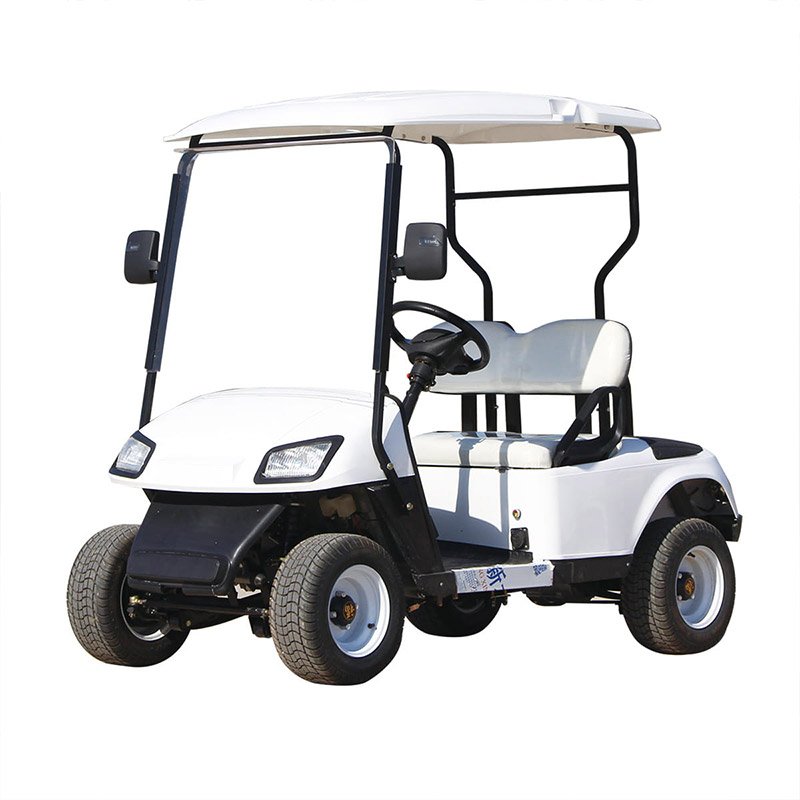
Two-seat course configuration
Carrinho de golfe elétrico MV-A2
Ask for the exact parts references and support arrangements for your two-seat fleet.
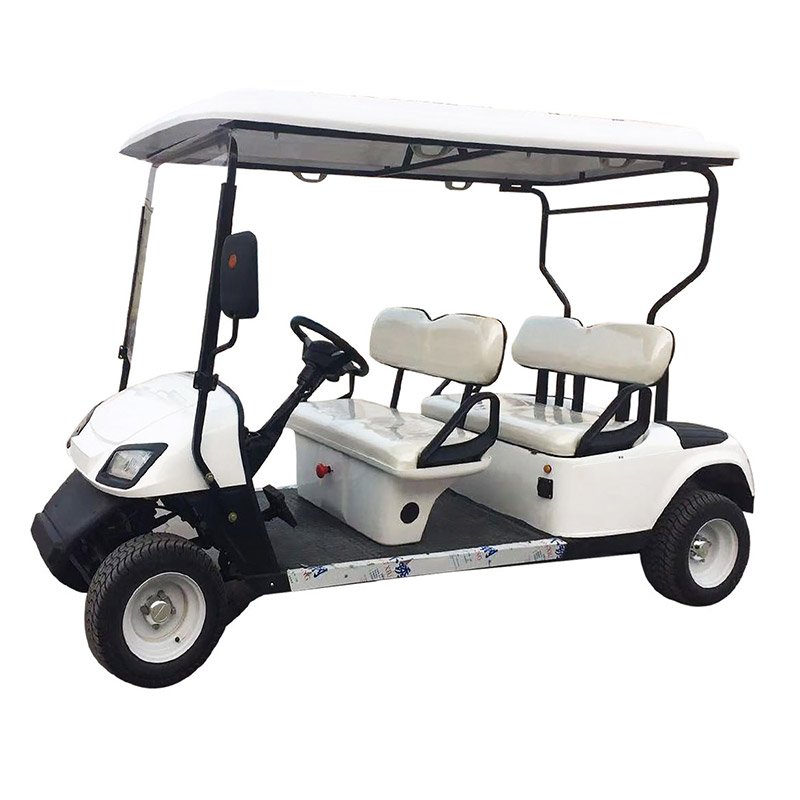
Four-seat passenger configuration
Carrinho de golfe MV-A4 de 4 lugares
Discuss a model-specific service list alongside your four-seat fleet quotation.
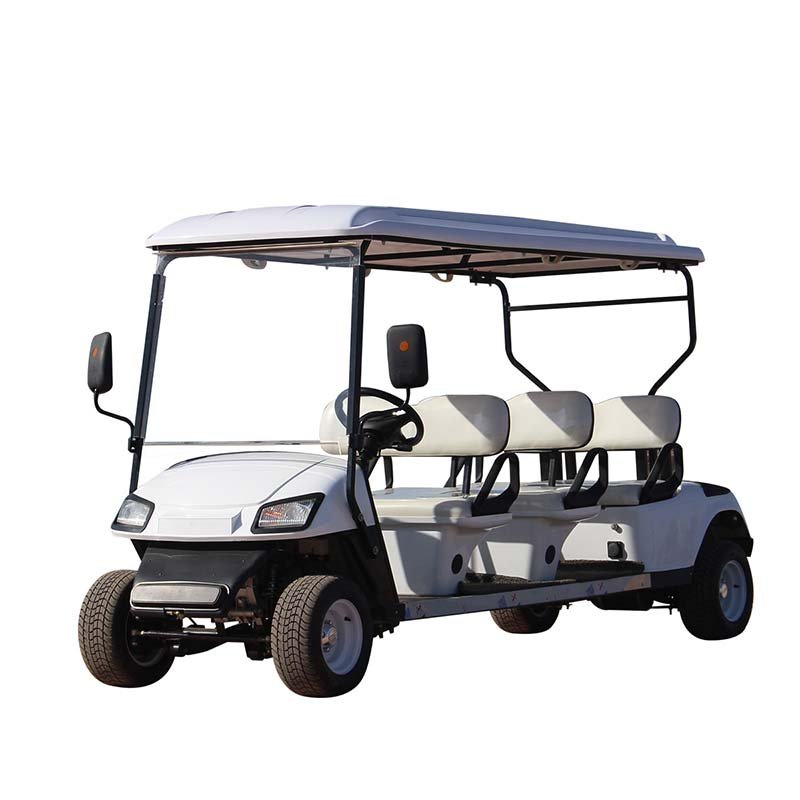
Six-seat passenger configuration
Carrinho de golfe MV-A6 de 6 lugares
Include service documentation and an opening spares discussion in your shuttle order.
Need help specifying your fleet?
Tell us your passenger capacity, quantity, operating location and delivery destination. We can discuss the configuration and quotation details for your project.
Product cards show existing MOVIVEX catalogue vehicles. Confirm the ordered specification, equipment and support scope in your quotation.