




Cart-path restrictions work best when course staff and golfers receive one current instruction before a vehicle leaves the staging area. Obtain the superintendent’s actual direction, identify the affected areas and communicate any approved entry, exit or service change. Keep a named owner for updates during play. A familiar rule from another course is not a substitute for today’s instruction at this property.
This guide addresses communication and records, not turf diagnosis or a universal golf course operating rule. The course’s responsible team determines restrictions and reopening through its approved process. Vehicle instructions and applicable local requirements remain relevant to the actual assignment.
Get the current instruction from the responsible course team
Identify who issues the operating instruction and who receives it at the cart staging or dispatch point. Record the date, time and area covered. If the instruction is conditional or may change during the day, keep that condition visible rather than simplifying it into an unrestricted permission.
Use the course’s current terminology and location references. A statement that a hole, route segment or area is restricted should be understandable to the staff member briefing a user. Ask for clarification when a boundary is unclear rather than letting each shift invent its own interpretation.
The USGA’s golf cart path guidance video provides general course-care context. It is not today’s instruction for your property and does not establish a vehicle’s operating capability. Keep the superintendent’s current direction as the source for the actual restriction.

Translate the instruction into a departure briefing
Decide what the user needs to understand before taking the cart: the current restriction, affected locations, approved route information and contact for a question. Keep the message short enough to repeat consistently while retaining the conditions that matter. Avoid replacing an instruction with a vague request to be careful.
Use the same names in the briefing, course map and staff notes. If a location has several informal names, agree which reference will be used for the current instruction. A golfer following one message should not encounter a marshal or shop team using a different description of the same area.
Do not assume that a regular user knows today’s arrangement. Conditions and course decisions can change. The departure process should make the current instruction visible without treating familiarity with a previous visit as confirmation that the user has received the update.
Keep staff messages aligned across the property
Identify the teams who need the current information, including staging staff, the golf shop and personnel assisting users on the course. Record who receives an update and when. An instruction held only in one person’s message thread may not reach the next shift.
The UK HSE training resource provides general workplace context for communicating relevant operating information. It is not a golf course rule or a vehicle qualification. Apply the course’s actual instruction and the appropriate local process.
Connect staff familiarization to the driver onboarding plan where the assignment requires it. A member of staff operating a cart for a duty still needs the information relevant to that duty. Do not assume the public golfer briefing covers every staff assignment.
| Communication field | Current information | Responsible owner |
|---|---|---|
| Instruction reference | Date, time and issuing course contact | Course operations owner |
| Area and scope | Locations and conditions actually covered | Superintendent or authorized contact |
| Departure message | Approved wording and map reference | Staging or shop coordinator |
| On-course update | Who communicates a changed instruction | Named service contact |
| Restoration | Authorized reopening and removal of obsolete messages | Responsible course decision owner |
This table is an illustrative communication record. It does not prescribe a restriction, turf threshold or reopening interval. Use the decision made by the responsible course team and retain unanswered questions until they have been clarified.
Review messages at actual entry and exit points
Identify where users encounter the restriction on the course. Review the locations through the approved site process and keep the message consistent with the current briefing. Do not create an informal entry or exit because a user finds another path more convenient.
The HSE signs and markings guidance provides general context for clear workplace messages. The course’s relevant local assessment determines the actual signs and placement. This resource does not establish a universal golf cart rule or approve a specific route.
Use the route sign register to track temporary messages and the removal of obsolete instructions. A restriction can remain confusing if old signs are left in place after the responsible team changes the arrangement.

Make mid-round changes understandable
Define how staff communicate a changed instruction to users already on the course. Identify the contact and the approved service arrangement. Avoid relying on an informal message passed from one group to another, which can lose the scope or conditions attached to the original direction.
If the change affects a planned route or destination, use the relevant temporary route process for staff or shuttle assignments. A course-care instruction should not become permission to send a passenger service onto an unreviewed alternative path.
Keep vehicle capability questions separate from course access permission. A particular tire, seating layout or battery configuration does not override a restriction issued by the course. Ask the appropriate supplier or qualified contact about equipment, while the course team retains its operating decision.
Related video: golf cart path etiquette
This USGA overview provides general golf cart path etiquette context. Follow the current instruction issued by your course superintendent; the video does not establish permission for a specific vehicle or route today.
Third-party educational video by United States Golf Association (USGA). Watch on YouTube
Record observations without making turf diagnoses
Give staff a way to report confusing messages, unclear boundaries or recurring questions. Record the location, time and what was observed. A report should not need an unsupported explanation of soil condition or turf damage before it can reach the responsible course contact.
Fleetio’s form documentation provides administrative context for structured observations. A simple course communication log can serve the relevant purpose. Keep the current course instruction linked to the record so later reviewers understand which arrangement was in place.
Fleetio’s reporting overview illustrates organizing issues and assignments. Review recurring communication problems with the responsible team, then retain the agreed change. Do not claim that a revised message has prevented damage or improved turf condition without actual evidence.
Connect fleet choices to confirmed course requirements
The tire fitment review addresses approved component questions. It does not establish that a tread design grants access to a restricted area. Keep purchasing requirements and current course permissions identifiable as separate decisions.
When considering MOVIVEX catalogue configurations, describe the intended duty and ask for the relevant supplied documentation. Product images do not demonstrate turf impact, wet-weather permission or suitability for a particular restricted route.
Put the confirmed course requirements in the fleet planning brief. When you request a quotation, distinguish technical documentation needed from the operating decisions owned by the course team.
Frequently asked questions
Can a user follow a rule learned at another course?
Follow the current instruction issued for this property. General etiquette does not replace the actual local restriction.
Does a tire description override a closure?
No. Equipment approval and course access permission are separate matters. Obtain the relevant direction from the responsible course team.
Who should change the restriction message?
Use the course’s named decision and communication owners, keeping the scope and timing of the instruction traceable.
What should be recorded at reopening?
Retain the authorized decision, current message and confirmation that obsolete temporary instructions were removed or corrected.
Explore related MOVIVEX golf carts
Use these existing catalogue vehicles as starting points for a configuration discussion. Confirm the ordered specification and support scope in writing.

MV-A2 · Catalogue configuration
Carrinho de golfe elétrico MV-A2
Discuss your confirmed course duty and applicable vehicle documentation.
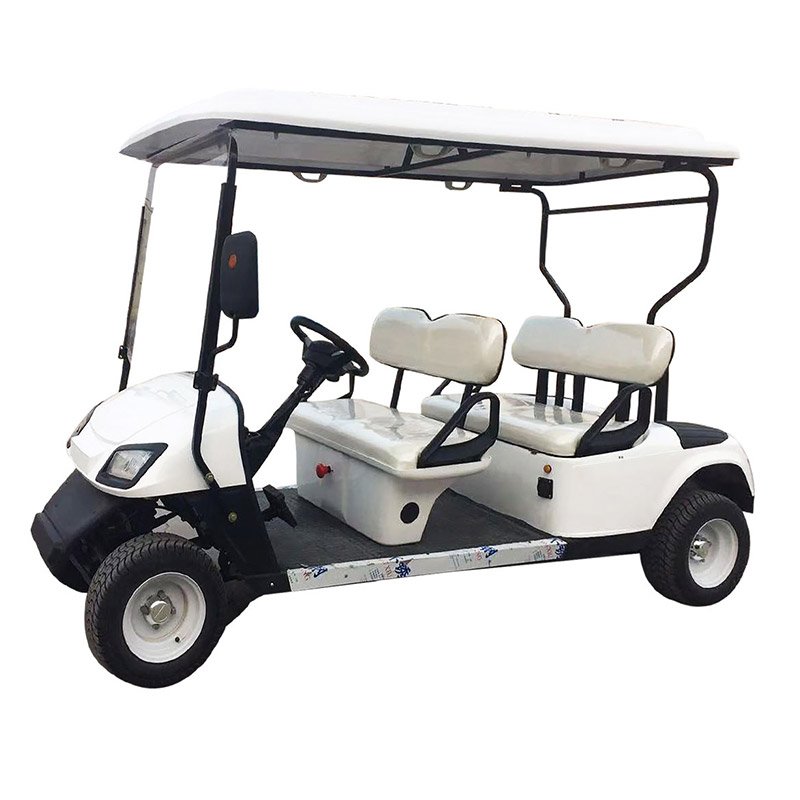
MV-A4 · Catalogue configuration
Carrinho de golfe MV-A4 de 4 lugares
Discuss your confirmed course duty and applicable vehicle documentation.

MV-A6 · Catalogue configuration
Carrinho de golfe MV-A6 de 6 lugares
Discuss your confirmed course duty and applicable vehicle documentation.
Discuss your fleet requirements
Tell us your passenger needs, quantity, operating location and delivery destination.