




An electric golf cart service provider assessment should match the provider’s demonstrated competence to the exact vehicles and work you need. Begin with model and component identification, define the proposed tasks, then check the people, information, equipment and escalation arrangements behind the offer. A general promise to “service all electric vehicles” is not enough to approve every task on your fleet.
The result should be a written scope stating what the provider is accepted to do, what remains excluded and where unresolved work goes next. This is a buyer’s evaluation framework, not a repair procedure or a claim that a particular provider is authorized by MOVIVEX. Technical procedures and any authorization claims require direct confirmation.
Define the job before comparing providers
List the actual fleet models, relevant component identifiers, available manuals, operating environment and requested support. Distinguish planned maintenance from fault diagnosis, recovery, component replacement and modification requests. These activities may need different capabilities and approval routes.
HSE’s Using contractors: A brief guide starts with identifying the work and checking contractor suitability. The leaflet is UK guidance published in 2012; its general scoping questions are useful background, while historical legal references should not be treated as a current universal compliance checklist.
Give candidates the same work description. If one provider has priced a routine inspection and another has allowed for a broader service package, the totals do not describe comparable offers. Keep the technical scope beside the commercial response, as you would in a structured quotation comparison.

Ask for evidence relevant to your configuration
Request experience with the relevant vehicle and component types, the role of the technicians proposed for your work and how the provider confirms competence before assigning a task. A company portfolio may demonstrate related experience without demonstrating the capability of the particular person arriving on site.
HSE describes competence through a combination of training, knowledge, skills, experience and their practical application. Use that distinction to ask focused questions. A course certificate can be part of the evidence, but it should be considered with task relevance and the actual proposed work.
If a candidate claims manufacturer authorization, ask which entity granted it, what equipment and activities it covers, whether it is current and how it can be independently confirmed. Do not describe a provider as MOVIVEX-authorized based on a logo, an informal introduction or a claim that has not been checked.
| Review area | Evidence to request | Boundary to record |
|---|---|---|
| People | Relevant training and experience of assigned personnel | Tasks within demonstrated competence |
| Information | Applicable manuals and access to current technical support | Work held when instructions are unavailable |
| Equipment | Suitable tools and required diagnostic access | Activities requiring a different facility or provider |
| Escalation | Named technical support and unresolved-fault process | No unapproved substitutions or modifications |
| Records | Example redacted work report and release process | Evidence required before operational handback |
Review information and equipment without requesting a demonstration repair
Ask how the provider identifies the applicable instructions before work begins. Mixed fleets can contain different batteries, chargers, controllers or build revisions even when the bodywork appears similar. Use the manual revision control process to supply accurate references and prevent outdated working copies from entering the job.
Discuss appropriate tools, diagnostic access and facilities for the proposed tasks. Where calibration, inspection or other equipment controls are relevant, ask how the provider manages them. Do not demand an unsafe improvised demonstration or assume a well-stocked toolbox establishes suitability for an unfamiliar component.
HSE’s inspection, maintenance and repair overview provides general context on planned maintenance and appropriately instructed staff. Its broader vehicle examples are not electric golf cart repair instructions. No lifting method, torque value, battery procedure or service interval should be transferred from that page to your fleet.
Agree where the provider must stop and escalate
A credible proposal explains what happens when the fault exceeds the agreed scope. Ask who contacts technical support, which identifiers and observations are retained, who approves further expenditure and how the vehicle’s operational status is communicated while the question remains open.
Separate a routine replacement proposal from an engineering change. A component that physically fits may still require confirmation of compatibility and approval. The discontinued component support guide covers the related question of obtaining a confirmed support route when an original item is no longer available.
Define subcontracting arrangements too. If the provider sends specialist work elsewhere, know who selects that subcontractor, checks relevant competence and keeps the job record. A single invoice does not necessarily mean one organisation performed every part of the work.

Check how on-site work will fit your operation
Describe pedestrian activity, vehicle movements, access constraints and the proposed work location before the provider arrives. Agree who controls access and who communicates a change in the work area. Site staff and visiting technicians need a shared understanding of their responsibilities.
HSE’s organising guidance discusses coordination with contractors in a wider workplace setting. Use that planning principle to review the interface between maintenance and your passenger operation. It does not establish that any particular lobby, parking bay or charging area is suitable for technical work.
Consider a fictional resort where a service visit was originally planned before shuttle hours but the vehicle becomes available later. The scope should identify who reassesses the working arrangement before the task starts. Moving the booking time should not silently move technical work into an occupied passenger pickup area.
Specify the record you expect at handback
Ask to see a redacted sample report before awarding recurring work. A useful report identifies the vehicle, task scope, applicable references, work completed, parts used, observations, unresolved defects and the person responsible for the handback decision. Exact technical acceptance criteria must come from the appropriate documentation.
Store completed records in the fleet service log. Keep parts availability planning in the related spare parts plan. Neither a purchased spare nor a paid invoice by itself confirms that a vehicle is ready to return to passenger service.
HSE’s communication guidance offers general context for making responsibilities clear. Translate that into named contacts for technical questions, commercial approval and operational handback. Dispatch should receive an understandable status rather than an unexplained message that the technician has left.
Make a bounded appointment and review it
Record accepted tasks, exclusions, escalation contacts, document requirements and commercial arrangements in the appointment. Avoid a single undifferentiated “approved supplier” label when competence has only been assessed for a limited scope. Set a review trigger for changed vehicles, personnel, components or service requirements.
Commercial response times, travel charges, support hours and parts responsibilities also matter. Request written terms and distinguish acknowledgement of a call from attendance or completion. This framework does not promise uptime, a fixed cost saving or a universal service interval.
For a new MOVIVEX fleet discussion, provide model interests and intended operating location through the fleet enquiry page. Ask what documentation and support contacts accompany the exact supplied configuration. The existing product cards below help start that conversation; they do not establish local technician coverage or any third party’s authorization.
Frequently asked questions
Is experience with other electric vehicles sufficient?
It may be relevant background, but assess the exact tasks, components and available instructions for your fleet. Related experience should not become automatic approval for unfamiliar work.
Should every task go to one provider?
That depends on demonstrated capability and the support arrangement. A bounded general-service scope with a confirmed specialist escalation route may be clearer than an unsupported all-inclusive promise.
Does manufacturer authorization replace competence checks?
Confirm the authorization’s current scope and still assess the personnel, equipment and proposed work. A claim must be verified rather than assumed from marketing material.
What if a candidate cannot explain an unfamiliar fault process?
Keep that work outside the accepted scope until a credible technical escalation route is confirmed. Record the limitation so operations and procurement make the same decision.
Related video: contractor selection and management
This third-party overview discusses contractor selection and management. The channel HSE Insights is not presented as the UK Health and Safety Executive. Use the video as discussion context, alongside verified task-specific evidence; it does not certify a golf cart technician or establish MOVIVEX authorization.
Third-party educational video by HSE Insights. Watch on YouTube
Explore related MOVIVEX golf carts
Use these existing catalogue vehicles as starting points for a configuration discussion. Confirm the ordered specification and support scope in writing.

MV-A2 · Catalogue configuration
Carrinho de golfe elétrico MV-A2
Request applicable service documentation and the appropriate technical support contact.
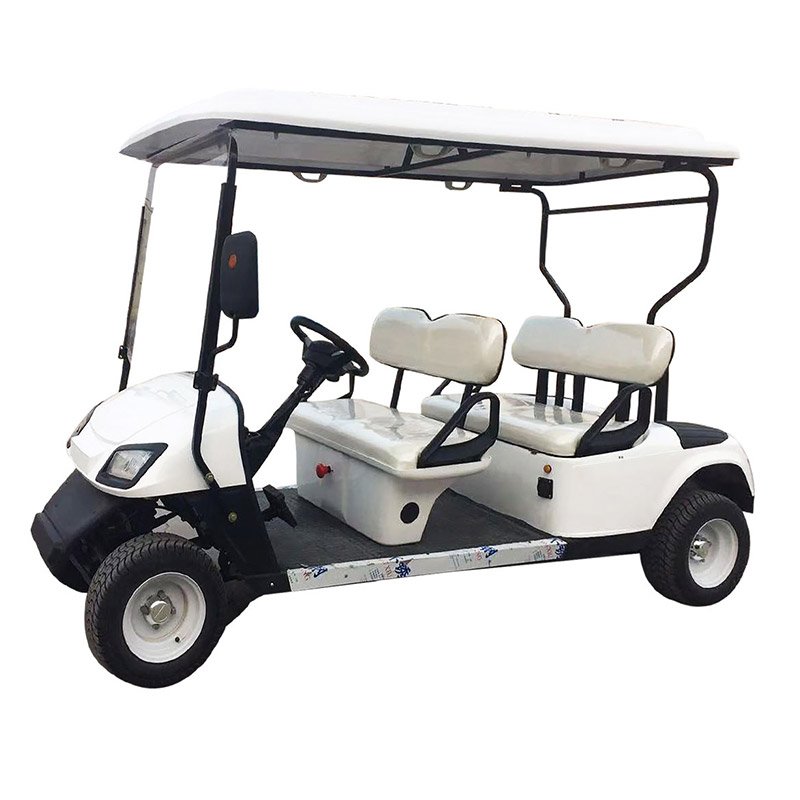
MV-A4 · Catalogue configuration
Carrinho de golfe MV-A4 de 4 lugares
Request applicable service documentation and the appropriate technical support contact.

MV-A6 · Catalogue configuration
Carrinho de golfe MV-A6 de 6 lugares
Request applicable service documentation and the appropriate technical support contact.
Discuss your fleet requirements
Tell us your passenger needs, quantity, operating location and delivery destination.