




A repair invoice does not, by itself, release a golf cart for passenger service. A useful return-to-service process connects the reported defect, completed work, required checks and an explicit decision by the person your operation authorizes to release the vehicle. Dispatch then receives the same status, restrictions and vehicle identity before keys are issued.
This article provides an administrative workflow for commercial fleets at resorts, courses, campuses and managed communities. It is not a repair procedure, a test specification or a certificate of roadworthiness. Use the correct vehicle documentation and competent local advice to decide what technical checks are necessary for the particular fault.
Keep repair completion and operational release separate
Think of two different questions. The repairer explains what work was completed and what remains unresolved. The fleet’s release authority decides whether the evidence supports the intended operation. In a small fleet one competent person may perform both roles, but the record should still distinguish the work from the decision.
For example, a workshop message saying that a replacement component has arrived is not confirmation that it has been installed or checked. Likewise, a vehicle moving under its own power does not demonstrate that every relevant safety function is satisfactory. Do not let a booking deadline silently become the approval criterion.
The general principles in HSE’s vehicle inspection and maintenance guidance are useful background. Its examples cover different vehicle types. Apply only relevant principles; do not import truck equipment requirements or lifting rules into a golf cart checklist. UK guidance also needs to be distinguished from the rules applicable at your location.

Start with the original defect and the right vehicle
Bring the original report into the release review. Identify the cart using its fleet number and manufacturer identification where appropriate, then connect that identity to the work order. Similar-looking carts parked together make verbal descriptions such as the white six-seater unreliable identifiers.
Ask whether the repair response addresses the symptom that caused withdrawal. If a driver reported an intermittent problem, record the circumstances they described and ask the competent repairer how those circumstances were considered. A statement that no fault was found should remain visible rather than being translated into an unconditional clearance.
Use the fleet service log as the traceable record, without turning every driver into a technician. The driver supplies observations; the technical assessment belongs to people competent for that work. Record uncertainty clearly enough that the next shift can understand why the vehicle remains unavailable.
Ask for evidence that matches the work
Request a clear description of the work, the configuration involved, relevant replacement components and outstanding issues. Where checks are required, ask who performed them, which instructions or criteria they used and what the outcome was. Avoid a generic all checked box that conceals what was actually considered.
Determine inspection scope with competent personnel using the exact model documentation and the nature of the defect. The HSE equipment inspection guidance explains that inspection needs depend on risk, equipment and use. It does not provide a universal golf cart test sequence or a fixed post-repair inspection interval.
A fleet manager should not improvise brake tests, electrical isolation steps, torque values or battery procedures from a general article. Where the information is missing, obtain it from the appropriate manufacturer or qualified service provider. Keep the cart unavailable while a safety-related question remains unresolved.
A release review with clear outcomes
| Review point | Evidence to connect | If the answer is unclear |
|---|---|---|
| Vehicle identity | Fleet identifier and matching work order | Resolve the mismatch before release |
| Reported defect | Original observation and repair response | Ask the repairer to explain the remaining uncertainty |
| Required checks | Competent assessment and recorded results | Keep the vehicle unavailable pending the required assessment |
| Operating scope | Approved use and any justified conditions | Do not substitute a dispatch assumption |
| Handover | Release decision received by dispatch and driver | Keep key checkout blocked until status is clear |
This table is a discussion template, not a technical pass standard. Your organization should identify who may make each decision and how they obtain competent support. An administrative signature cannot compensate for an inadequate repair assessment or missing manufacturer instructions.
The HSE maintenance guidance provides broader context for competent maintenance and communication. Keep its jurisdiction-specific statements in their proper scope. The practical aim here is to ensure that the person releasing a cart knows what the repair evidence does and does not establish.
Handle restrictions without disguising an unresolved defect
Some decisions may involve an explicitly assessed operating condition. Such a condition needs a competent basis, a clear boundary and an owner who can enforce it. It must not be an informal workaround for an unresolved safety defect. If safe operation cannot be established, the outcome is continued withdrawal.
Write conditions in operational language that dispatch can apply. Identify the permitted duty, who authorized the decision, when review is required and what change cancels the permission. Avoid vague messages such as use carefully, which transfer an undefined problem to the next driver.
Consider whether the intended route, passengers or accessories differ from the configuration considered by the repairer. The existing inspection competence and scope framework can help define who should resolve these questions. Do not assume that a general workshop sign-off covers every future operating condition.

Close the loop with dispatch and the next driver
After authorization, update the available-vehicle list and communicate the decision through the normal dispatch channel. State the vehicle identity, release time, any approved conditions and where the supporting record can be found. Ask the receiving person to acknowledge the change when your workflow requires it.
Connect this step to fleet key control. Returning a key to its usual hook should follow the release decision, rather than serve as an ambiguous signal that somebody probably approved the cart. Electronic availability systems need the same clear ownership as a physical key cabinet.
The next driver still follows the normal pre-use routine. Release after repair does not remove the need to report a new or recurring symptom. If the original problem reappears, follow the site’s withdrawal and escalation procedure and link the new report to the earlier work order.
Make the record useful across shifts
Keep a compact release note with links or references to supporting work records. Include the original defect reference, vehicle identity, work completion evidence, required check results, unresolved matters, final decision, authorizer and communication recipients. Record the actual decision time without rewriting earlier entries.
Review exceptions periodically: missing acknowledgements, repeated no-fault-found reports, mismatched vehicle identifiers or restrictions that staff cannot enforce. These are prompts to improve the process, not proof of a particular mechanical failure. Choose actions based on the facts in your own fleet.
When specifying a future fleet, discuss document availability and service support alongside configuration. Use fleet planning to describe intended duties, and request current configuration and documentation information for the carts under consideration. Availability of local repair support requires separate confirmation.
Frequently asked questions
Can dispatch release a cart because the workshop has returned it?
Dispatch should use the explicit authorized status in the fleet’s procedure. Physical return, delivery of keys or an invoice may be part of the evidence chain, but none should silently replace the release decision and any necessary technical assessment.
Does every repair require the same inspection?
No universal checklist is supplied here. Scope depends on the work, potential consequences, vehicle configuration, manufacturer instructions and applicable requirements. A competent person should determine the checks needed for the specific circumstances.
What if a fault cannot be reproduced?
Keep the original observation and the repairer’s findings together. Ask for a competent assessment of the uncertainty and appropriate next steps. Do not erase the report or infer unrestricted service simply because the symptom was absent during one observation.
Should this replace the maintenance calendar?
No. A calendar organizes planned work, while this process governs a particular release after a reported defect. Link both records so that repair completion does not accidentally cancel other maintenance or inspection requirements.
Explore related MOVIVEX golf carts
Use these existing catalogue vehicles as starting points for a configuration discussion. Confirm the ordered specification and support scope in writing.
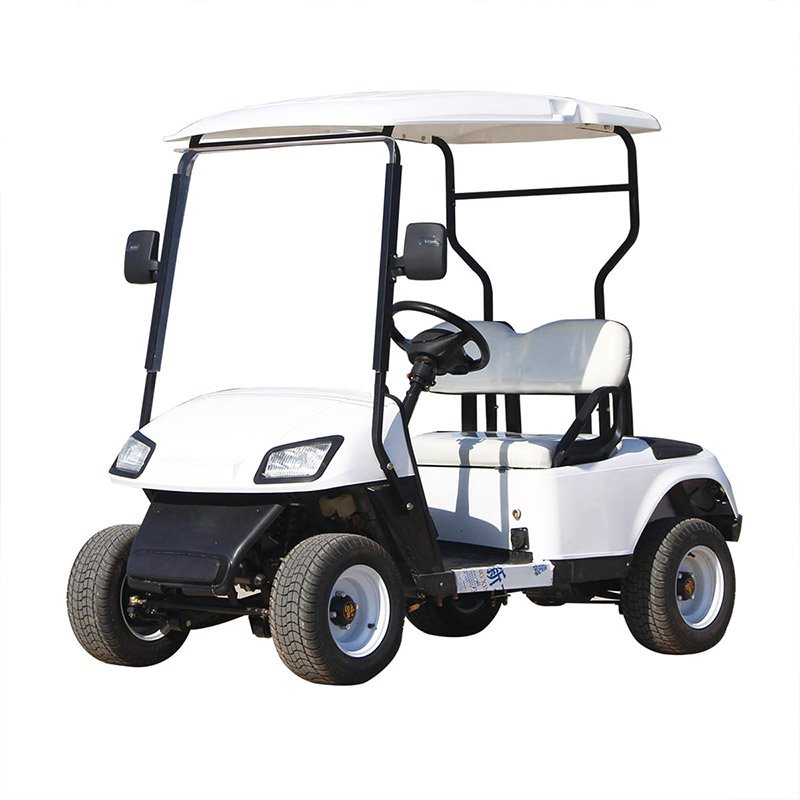
MV-A2 · Catalogue configuration
MV-A2 Electric Golf Cart
Request the current configuration and model-specific documentation for your fleet planning discussion.
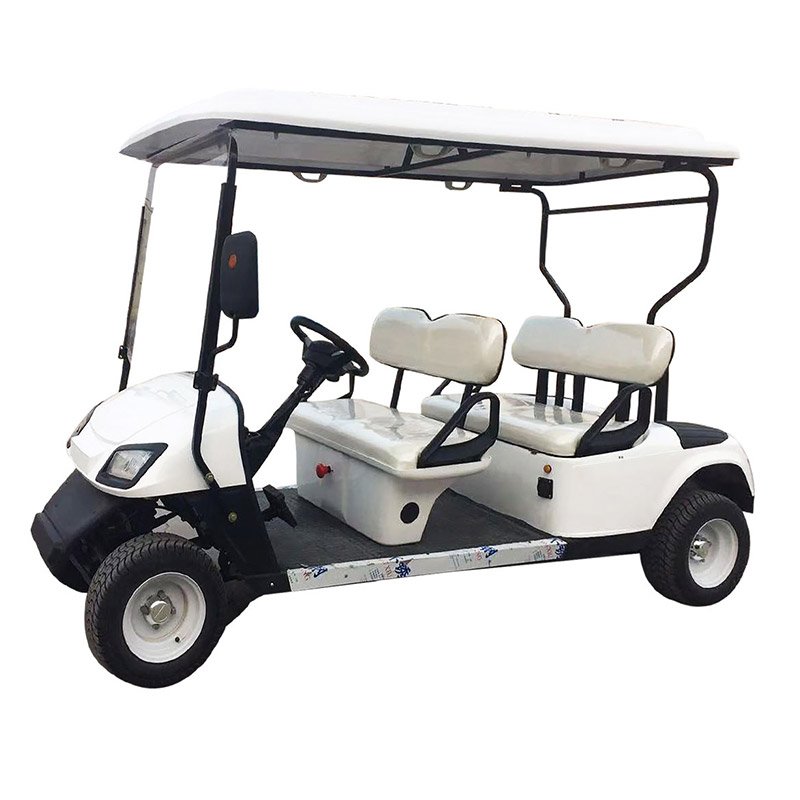
MV-A4 · Catalogue configuration
MV-A4 4 Seater Golf Cart
Request the current configuration and model-specific documentation for your fleet planning discussion.

MV-A6 · Catalogue configuration
MV-A6 6 Seater Golf Cart
Request the current configuration and model-specific documentation for your fleet planning discussion.
Discuss your fleet requirements
Tell us your passenger needs, quantity, operating location and delivery destination.
