




Planning for golf cart shuttle driver heat stress starts with the work and exposure, not with the vehicle’s battery temperature. Identify where drivers spend time, what other tasks they perform and how they can obtain water, recovery breaks and assistance. Build those arrangements into the service roster before hot-weather demand arrives.
This is a workplace planning guide for fleet managers at resorts, courses and campuses. It is not a clinical assessment or a universal work/rest schedule. Where heat stress is a workplace hazard, use qualified occupational safety and health input and the applicable local requirements to develop the actual plan.
Map the whole shift rather than the driving time
Include waiting at exposed stops, helping with the passenger service, walking between facilities and other assigned duties. Record the locations and conditions that need assessment. Time seated in a cart does not establish that a worker’s heat exposure is adequately controlled.
NIOSH’s overview of heat stress and workers describes environmental heat, physical activity and clothing or equipment as relevant factors. Use that framework to avoid treating the weather forecast alone as a complete exposure assessment.
Connect the assessment to the actual shuttle operating plan. A passenger timetable that leaves no practical relief opportunity can undermine a written break arrangement. Identify the operational changes needed to make the heat plan usable.

Make water and recovery access practical
Identify where suitable drinking water is available, who checks supplies and how drivers can access it during the assigned duty. Do the same for appropriate recovery areas. A location listed on a map is insufficient if it is locked, too remote or unavailable when the shift needs it.
NIOSH’s workplace recommendations discuss engineering and work-practice controls, cool potable water and appropriate recovery breaks. They also address acclimatization and training. Use the current full guidance with professional input rather than extracting one generic numerical schedule for every driver.
A cart canopy is not evidence that heat stress has been controlled. Review the actual exposure and recovery arrangement. Do not assume that fitting a fan or another accessory is an approved technical solution without the relevant vehicle and workplace assessment.
Give the roster a workable relief arrangement
Decide who takes over open requests when a driver needs an approved break or reports heat discomfort. The plan should not rely on workers choosing between following it and leaving the service unattended. Account for changed demand and the availability of suitably authorized relief staff.
NIOSH’s worker heat-stress communication resource includes gradual acclimatization, checking coworkers and recovery breaks. It is a general resource, not a site-specific roster or a legal rule for every country.
Distinguish a worker’s need to recover from the availability of a spare vehicle. The backup fleet plan concerns vehicle substitution; heat planning also needs people, supervision and an appropriate work arrangement. Another cart alone does not provide relief.
| Planning area | Question to resolve | Responsible contact |
|---|---|---|
| Exposure | Which tasks and locations need assessment? | Safety and operating roles |
| Water and recovery | Can staff actually access the planned provision? | Named site owner |
| Relief | Who manages requests when a worker takes a break? | Dispatch and roster owner |
| Acclimatization | Which new or returning workers need a supported plan? | Employer and appropriate health/safety input |
| Illness concerns | How is immediate assistance obtained? | Emergency response contacts |
Account for new and returning workers
Have the responsible employer address acclimatization in the work plan. Prior experience driving golf carts does not establish current adaptation to hot conditions. A worker returning after time away may also need review under the applicable plan.
Do not improvise an exposure progression from the passenger schedule. Confirm the actual duties and supervision needed, and obtain appropriate professional input where required. Individual health questions should be handled through suitable confidential arrangements rather than placed on a public dispatch board.
Keep relevant operating permissions and familiarization connected to the driver authorization process. Driving competence and heat-exposure planning are related responsibilities, but neither automatically establishes the other.

Make reporting and emergency action clear
Train workers and supervisors on recognizing and promptly reporting heat-illness concerns and on the site’s response. Staff should know how to summon help from each service location. Do not make a worker finish a passenger assignment before reporting symptoms or obtaining assistance.
NIOSH’s heat-related illness guidance identifies heat stroke as a medical emergency. Suspected heat stroke requires immediate emergency medical assistance; activate the local emergency plan and trained response without waiting for routine dispatch approval.
This article does not provide a diagnosis, fluid prescription or treatment procedure. Arrange appropriate first-aid training and local emergency contacts before the shift. Keep operational messages limited to what the receiving role needs, without broadcasting private medical details.
Keep the communication useful during service
HSE’s communication guidance provides general context for clear responsibilities and understandable working information. Apply that to relief requests, changes in availability and assistance calls. The source’s UK legal context is not presented as a universal heat standard.
Use the dispatch protocol for the service state and the shift handover for unresolved operational actions. A change of shift should not lose a planned relief arrangement or an unanswered facilities issue.
An illustrative desk exercise might reveal that the listed recovery room is unavailable during an event. The useful correction is to resolve that provision before relying on the roster. This example is not a verified MOVIVEX project or evidence of any reduction in heat illness.
Review the plan when work or conditions change
Review relevant changes in weather, workload, staff or recovery access through the responsible process. Do not declare a universal safe temperature or assume an earlier assessment covers a different duty. Keep the basis of the current arrangement available to supervisors.
Before the shift, confirm that the planned provisions are actually available and that the receiving supervisor knows about any gap. Record the operating action needed to resolve a missing supply, unavailable recovery area or relief change. Keep this practical readiness record separate from private health information. The objective is to make the agreed work arrangement usable, without inventing a medical clearance or a performance measure.
HSE’s organising guidance offers general background on allocating responsibility. Name the owners of supplies, roster changes and escalation, including the interface with any contract operator. The plan should be actionable without depending on one person’s memory.
For a MOVIVEX enquiry, describe the intended operating environment through fleet planning and obtain documentation for the actual proposed configuration. The catalogue products below support a vehicle discussion. They do not certify a worker heat-protection plan or establish a medical or legal exposure limit.
Frequently asked questions
Does a roofed cart remove heat risk?
No such conclusion follows from the presence of a canopy. Assess the actual work, environment and recovery arrangements.
Can one break schedule cover every driver?
Do not assume so. Use the applicable professional assessment and plan, including workload, conditions and acclimatization needs.
Is a spare vehicle enough for a relief plan?
No. The plan also needs suitable people, supervision and a way to manage the passenger service while the worker recovers.
Should illness concerns wait until handover?
No. Report concerns promptly and follow the site’s response. A suspected medical emergency requires immediate assistance, not a later administrative review.
Related video: water, rest and shade communication
This Charleston County Government video illustrates workplace water, rest and shade communication. Its description of local results is not evidence of outcomes for your fleet. Use current NIOSH guidance and your professionally developed workplace plan for actual arrangements.
Third-party educational video by CharlestonCountyGov. Watch on YouTube
Explore related MOVIVEX golf carts
Use these existing catalogue vehicles as starting points for a configuration discussion. Confirm the ordered specification and support scope in writing.
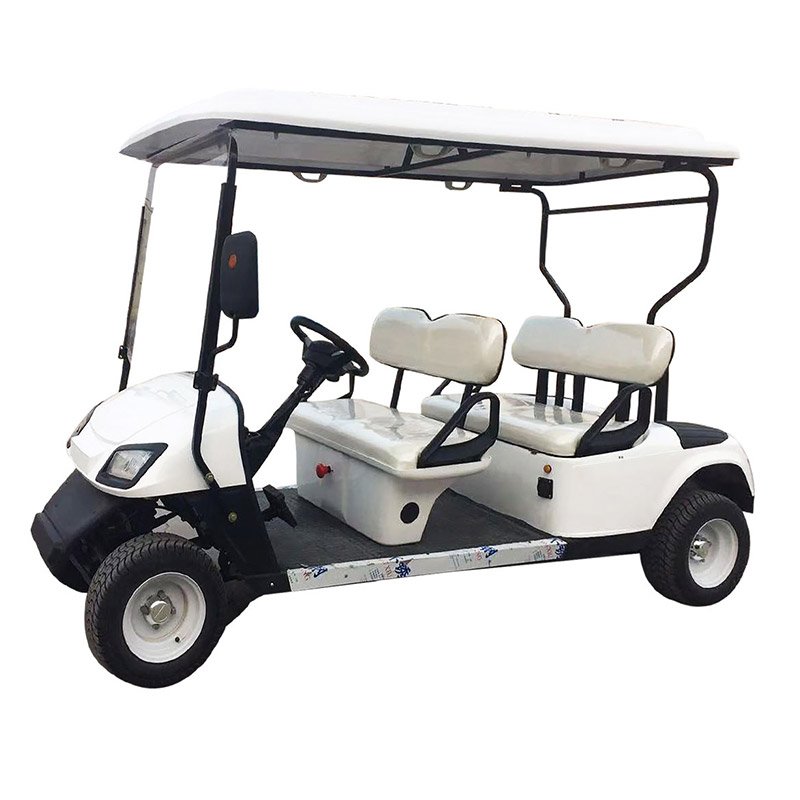
MV-A4 · Catalogue configuration
Carro de golf MV-A4 de 4 plazas
Discuss the vehicle duty and documented limits; no worker heat-protection certification is implied.

MV-A6 · Catalogue configuration
Carro de golf MV-A6 de 6 plazas
Discuss the vehicle duty and documented limits; no worker heat-protection certification is implied.
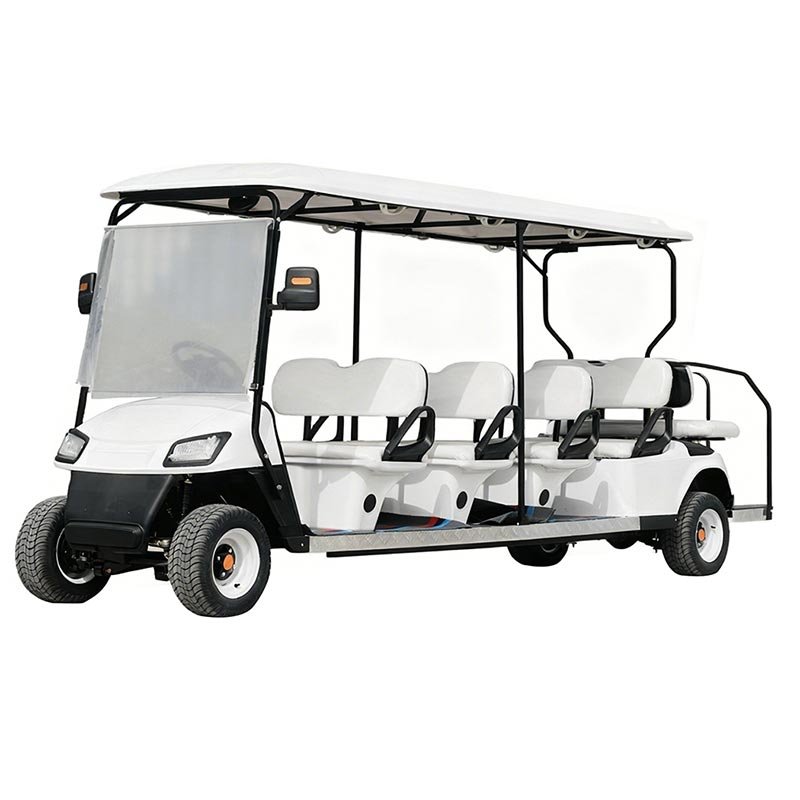
MV-A8+2 · Catalogue configuration
Carro de golf MV-A8+2 de 10 plazas
Discuss the vehicle duty and documented limits; no worker heat-protection certification is implied.
Discuss your fleet requirements
Tell us your passenger needs, quantity, operating location and delivery destination.