




A review of golf cart route blind corners should identify where a driver or pedestrian cannot obtain an adequate view, what is obstructing that view and which operating decision is needed. Map the actual location, review it with the responsible site team and record the outcome before treating landscaping work or a new mirror as a completed solution.
This guide concerns visibility obstructions at bends and junctions on managed properties. It does not provide a sight-distance formula, a universal speed limit or instructions for cutting vegetation. The useful output is a location-based review record connecting the observation, the competent assessment and the current route permission.
Locate the obstruction precisely
Give each observation a route and location reference that dispatch, drivers and the landscaping team can recognize. Include the direction of approach and the other movements that may enter the same area. A note saying “hedge near reception” may not distinguish several different corners.
Record what is visible and what blocks the view without putting someone in a live vehicle path for a photograph. The observer should use the site’s approved safe process. A useful image needs a location reference and description; it should not require a driver to approach an uncertain bend as a demonstration.
HSE’s vehicle-handling guidance discusses visibility at bends and junctions and the effect of landscaping. It is general UK workplace guidance. Its goods-vehicle dimensions and other numerical examples are not applied to a golf cart route here.

Review the actual users and configuration
Identify the vehicles and people using the location, including pedestrians emerging from doors or paths. The driver’s view depends on the actual configuration and the operating conditions. A photograph taken while standing beside the route is evidence of an observation, not proof of what every driver can see.
Provide the responsible reviewer with relevant vehicle information and current site conditions. Do not invent a minimum clear distance from a different vehicle class or assume that a smaller cart automatically resolves the visibility problem. Any technical assessment needs an appropriate basis.
Keep the review connected to the route acceptance record. The wider route may previously have been accepted, but later plant growth, a temporary display or changed vehicle configuration can introduce a new question at one location.
Bring the landscaping team into the decision
Ask who controls the hedge, planter, tree or other feature and whether the proposed work needs permission or specialist review. A fleet supervisor’s report should describe the operating concern, not authorize unassessed cutting or removal.
HSE’s safe-workplace guidance addresses route layout and avoiding sharp or blind bends where possible. Use those general themes in the site review. They do not determine the correct planting height or authorize a specific landscaping intervention.
Retain the proposed work scope and the person responsible for it. If the observation concerns more than vegetation, such as a parked delivery vehicle or a temporary event structure, involve the relevant owner as well. Removing one obstruction may leave the original movement conflict unresolved.
| Review field | Information to retain | Decision needed |
|---|---|---|
| Location | Route, approach direction and fixed reference | Which movements are affected? |
| Obstruction | Observed feature and current condition | Who can assess or change it? |
| Users | Actual vehicles, pedestrians and nearby activities | Which interfaces require review? |
| Interim status | Approved restriction or alternative reference | What may dispatch assign now? |
| Closure | Work evidence and operating review | Who confirms the revised permission? |
Consider the route arrangement as well as the view
The responsible team should ask whether an alternative route, different movement arrangement or suitable separation of users would address the issue. A vegetation task is not necessarily the only option, and a device should not be chosen merely because it is easy to purchase.
HSE’s traffic-route guidance frames hazards as part of the complete route assessment. Apply that planning approach without transferring tanker gradients or forklift operating assumptions. The selected arrangement must fit the actual site and duty.
If a mirror or another visibility aid is considered, have its suitability, placement, limitations and upkeep assessed appropriately. Its presence does not by itself establish that all users can see or respond adequately. This article does not provide an installation method or endorse a particular product.

Record the interim operating instruction
While a question remains unresolved, identify the responsible role and the approved temporary status. Do not leave a landscaping request open while dispatch assumes the route is unchanged. If a closure or alternative is required, use the established detour process.
Make any related crossing review and stop movement review consistent with the decision. These records concern different aspects of the operation, but they should not describe conflicting permissions for the same area.
HSE’s communication guidance provides general context for clear and current working information. Tell drivers, dispatch and affected site teams what instruction is active. A work-order number alone may not explain what they should do differently.
Close the observation after the operating review
When work is completed, keep the completion information and arrange the appropriate follow-up assessment. The landscaping team may confirm that its task is finished without being the role that releases the route. Record both decisions with their actual scope.
An illustrative example is a hedge trimmed near a junction while an unrelated sign still obscures part of the approach. The completed gardening task should not erase the remaining visibility question. This scenario explains a review process, not an actual MOVIVEX installation or measured safety outcome.
Update the route instruction and marking references where needed and notify affected staff. Preserve the earlier observation so later reports can be connected to the same location without overwriting the history.
Keep the follow-up evidence identifiable by date and location. If photographs are compared, record the relevant conditions and viewpoints rather than presenting two unrelated views as proof of improvement. A clear closure record should explain the accepted decision, not merely show that the planting looks different.
Plan for growth and recurring changes
Identify a proportionate review trigger for seasonal growth, moved planters, event displays or other relevant changes. Do not invent a universal inspection frequency. Use the actual site conditions and responsible assessment to define what needs checking and who receives a new concern.
HSE’s organising guidance gives general context on ownership and cooperation. Name the record owner and the contact who resolves a recurring observation. UK legal statements in the source retain their own jurisdictional scope.
For MOVIVEX fleet planning, describe the intended routes and request information for the exact proposed configurations through the fleet enquiry. The real product cards below support that discussion. They do not certify a blind corner, mirror arrangement or landscaping design.
Frequently asked questions
Will trimming the hedge automatically close the issue?
No. Record the work and have the affected operating arrangement reviewed. Other obstructions or movement conflicts may remain.
Can a mirror replace the assessment?
No. A visibility aid needs its own appropriate review and upkeep, and does not prove that the whole route arrangement is acceptable.
Should drivers test the corner for the report?
Use the site’s safe reporting and assessment process. Do not expose drivers or passengers to an uncertain location merely to demonstrate a problem.
When should an accepted location be reviewed again?
Use relevant change triggers and actual observations, including growth, moved features and configuration changes. Do not assume an earlier decision covers every later condition.
Related video: convex visibility aid example
This Safety Xpress supplier video illustrates a type of convex visibility aid. It is not an endorsement, an installation instruction or evidence that a mirror solves your blind corner. Promotional performance claims are not adopted; the actual site arrangement needs competent review.
Third-party educational video by Safety Xpress. Watch on YouTube
Explore related MOVIVEX golf carts
Use these existing catalogue vehicles as starting points for a configuration discussion. Confirm the ordered specification and support scope in writing.
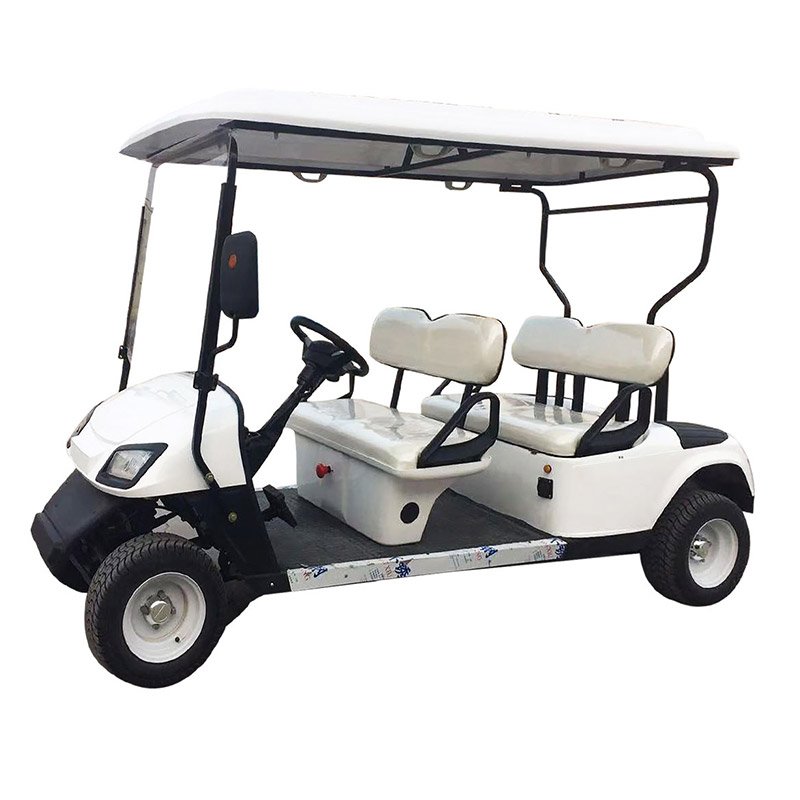
MV-A4 · Catalogue configuration
Carro de golf MV-A4 de 4 plazas
Request exact configuration information for a competent site visibility review.
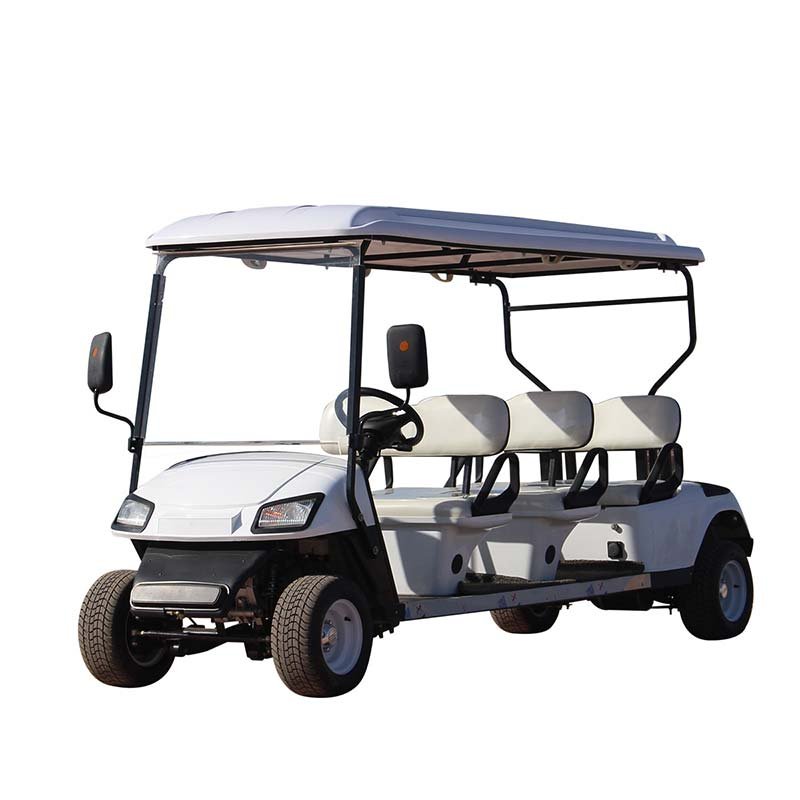
MV-A6 · Catalogue configuration
Carro de golf MV-A6 de 6 plazas
Request exact configuration information for a competent site visibility review.
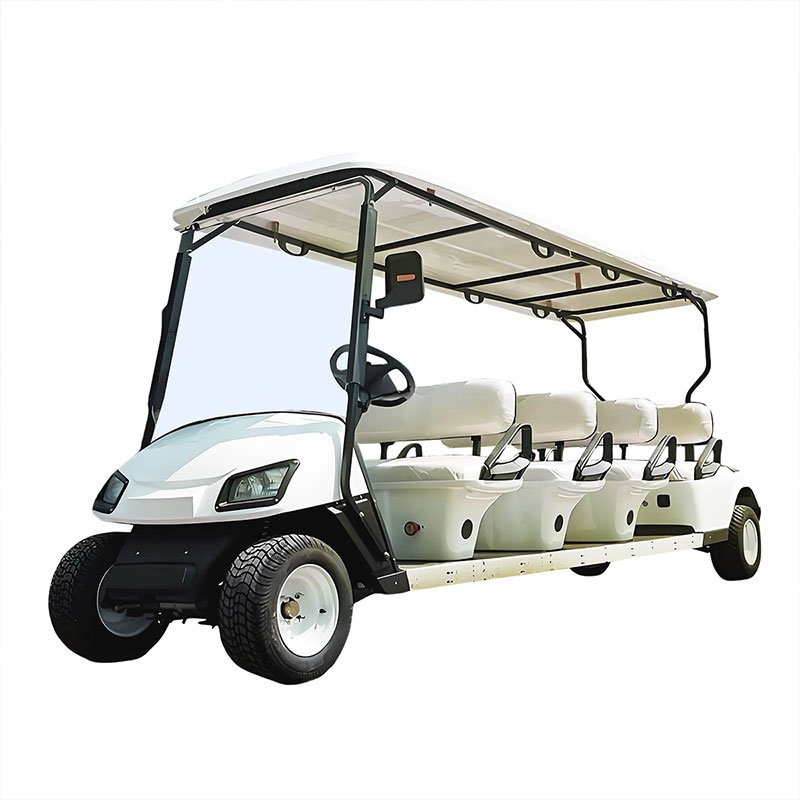
MV-A8 · Catalogue configuration
Carro de golf MV-A8 de 8 plazas
Request exact configuration information for a competent site visibility review.
Discuss your fleet requirements
Tell us your passenger needs, quantity, operating location and delivery destination.

