




A golf cart shuttle dispatch communication protocol should define a request, an acknowledgement and a clear fallback when contact is lost. It must also allow drivers to respond only when doing so is safe under the applicable operating instructions. A radio channel alone does not tell a team which cart owns a request or whether the assignment was understood.
For resorts, campuses and managed communities, the useful deliverable is a short set of messages that staff can use consistently during live service. This guide concerns request ownership and contact recovery. Fleet sizing, shift handover and accident investigation need their own arrangements and should not be squeezed into every dispatch conversation.
Map the request before choosing the device
List who can request a shuttle, who assigns it and who confirms completion. Reception, a campus office and an event host may all contact the same driver unless one coordinating role owns the queue. Start from the actual service described in your resort shuttle operating plan.
A request needs enough information to make a decision: a recognised pickup location, destination, party requirements and a request reference. Avoid broadcasting unnecessary guest names or private details. Where the passenger or luggage requirement is uncertain, dispatch should resolve it before assigning a vehicle rather than asking the driver to improvise at collection.
HSE’s workplace communication guidance emphasises clear responsibilities and understandable working information. It offers general UK workplace context, not a prescribed golf cart radio script. The protocol below is an administrative example for a team to adapt and approve.

Use a request-and-readback loop
Give each active vehicle and dispatch position an unambiguous identifier. Choose location names that match the approved site map and stop signs. Similar names, such as “north entrance” and “north lobby entrance,” deserve review before staff begin using them in busy service.
Dispatch records the open request, offers it to one available cart and waits for acknowledgement. The driver confirms the essential assignment at a safe opportunity. Dispatch then marks it accepted. A transmitted message and an accepted job are separate states; silence should not close that gap.
| Message stage | Illustrative content | Record outcome |
|---|---|---|
| Request | Request reference, pickup, destination, confirmed passenger requirement | Open and unassigned |
| Offer | Named vehicle and complete assignment | Awaiting acknowledgement |
| Readback | Vehicle identifier and key assignment details repeated | Accepted only after confirmation |
| Exception | Unable to accept, unclear location or service constraint | Held for dispatch resolution |
| Completion | Request reference and completion status | Closed or follow-up required |
For example, a fictional dispatcher might offer “Cart A, request Green, reception to conference entrance, confirmed party requirement on the request card.” The team must define exactly what information can be referenced rather than spoken. The example is not a universal phrase set, a response-time commitment or an instruction to communicate while moving.
Protect the driver’s opportunity to respond
The protocol should never reward instant acknowledgement at the expense of attention to driving. Decide how staff recognise that a response may be delayed and which approved safe stopping opportunities support communication. Drivers should follow the exact vehicle instructions, local rules and site procedure.
As one concrete policy example, Cedarville University’s cart guidelines tell operators to stop when answering phones or radios. That is the university’s own rule, not a statement of every jurisdiction’s law. It illustrates why your dispatch expectations must be compatible with driver concentration.
Include response behaviour in the driver onboarding and authorization plan. Ask a driver to demonstrate the message sequence during a controlled exercise without operating the vehicle. A written script is useful only if the people using it understand the locations, responsibilities and exceptions.
Agree what loss of contact means
Distinguish an unacknowledged offer from a cart that accepted a task and then cannot be reached. Do not automatically send another vehicle to the same guests without checking the request state. Duplicate assignments can leave another pickup uncovered and confuse the staff waiting at both ends.
Set a locally justified contact-check process, backup contact method and responsible supervisor. Avoid inventing a universal number of seconds for every property. Route length, known coverage limitations, approved stopping locations and emergency arrangements all affect the appropriate response.
Keep routine service fallback separate from emergency reporting. A radio failure does not itself explain whether a vehicle is unsafe, delayed or simply outside coverage. The responsible person needs a defined way to assess the situation and use the site’s established emergency arrangements when warranted.

Test the protocol where the service operates
Check the chosen communication method at intended dispatch and stopping locations under a planned, safe test. Record where a message could not be understood and what approved fallback was available. Do not treat a signal indicator at reception as evidence of reliable contact along the entire route.
HSE’s organising guidance gives general context for coordinating responsibilities. Use that principle to assign one owner to resolve failed contact tests. Purchasing a different device without reviewing the operating arrangement may leave the original ambiguity in place.
Include ordinary exceptions in the rehearsal: two requests arrive together, a driver declines an assignment, a location name is misunderstood and a message is interrupted. Let staff explain what they would record next. These are illustrative test cases, not claims about measured performance at an existing MOVIVEX site.
Keep service status and equipment status distinct
A cart can be available for dispatch only within its approved operating status. Communication should not override a defect hold or an authorization restriction. Link the dispatch availability record to the relevant fleet service log, while keeping maintenance details out of routine passenger messages.
HSE’s inspection and maintenance overview provides general background on vehicle upkeep and defect reporting. It does not establish radio maintenance intervals or authorize drivers to troubleshoot electrical equipment. Use the supplied device and vehicle instructions for their respective requirements.
When a route changes, update location names and contact assumptions together with the temporary detour plan. Dispatch should be able to identify which instruction is current. An obsolete location name can undermine an otherwise clear readback.
Issue one controlled communication sheet
The approved sheet should name the dispatch role, vehicle identifiers, request states, readback fields, safe response rule, loss-of-contact process and escalation contact. Identify who may revise it. Keep obsolete versions out of the active dispatch position so temporary staff do not learn different scripts.
HSE’s explanation of competence links knowledge and training with the ability to apply them. For this task, use a proportionate practice exercise and supervisor observation rather than assuming radio ownership demonstrates competence. The source’s legal context remains UK-specific.
If you are discussing a new fleet with MOVIVEX, provide the intended duty, locations and operating constraints through the fleet planning enquiry. Confirm any device installation or vehicle accessory compatibility separately. A catalogue passenger configuration does not establish communications coverage or an approved radio mounting arrangement.
Frequently asked questions
Does every driver need to answer immediately?
No. The response rule must protect attention to vehicle operation and follow the applicable instructions. Dispatch needs to accommodate a delayed safe response without treating silence as acceptance.
Should we choose radio codes or plain language?
Choose language the whole team can understand and rehearse it. Avoid ambiguous abbreviations. Any local terminology must be documented and compatible with the site’s emergency communication arrangements.
What should happen after an unclear readback?
Keep the assignment unresolved, clarify the relevant details and confirm acceptance. Do not mark a request assigned merely because part of a message was heard.
Can a new radio solve dispatch confusion?
A device can support the process, but it cannot define job ownership, safe response opportunities or contact fallback. Establish and test those decisions alongside the equipment choice.
Related video: radio procedure words
This Tait Communications lesson explains radio procedure words and their meanings. Use it as a communication training reference, then agree plain language your own team understands. It does not authorize radio use while driving or establish your site emergency protocol.
Third-party educational video by Tait Communications. Watch on YouTube
Explore related MOVIVEX golf carts
Use these existing catalogue vehicles as starting points for a configuration discussion. Confirm the ordered specification and support scope in writing.
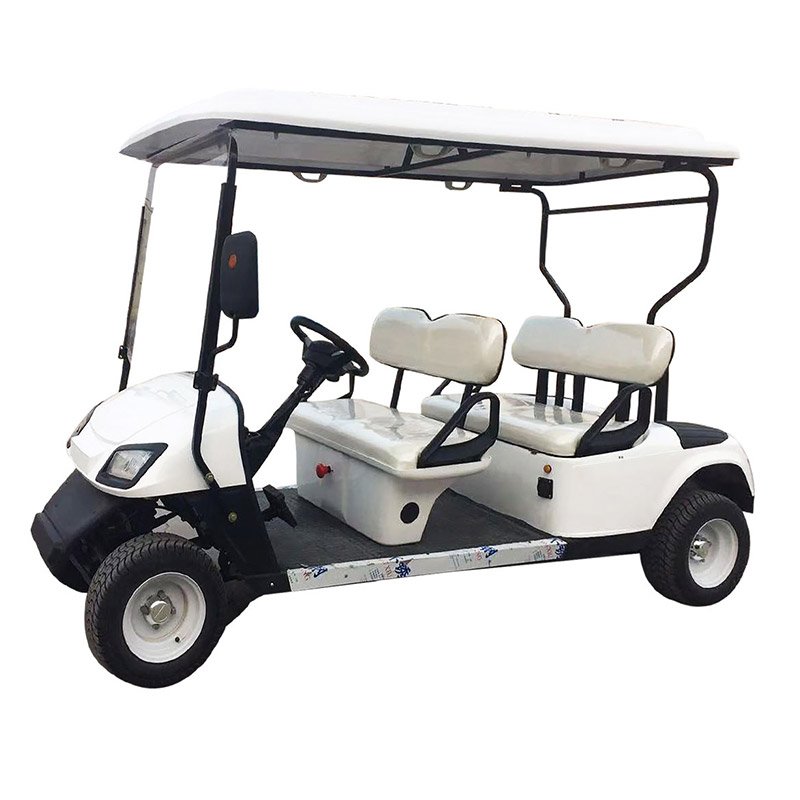
MV-A4 · Catalogue configuration
Carro de golf MV-A4 de 4 plazas
Discuss your passenger duty and any proposed accessory compatibility separately.
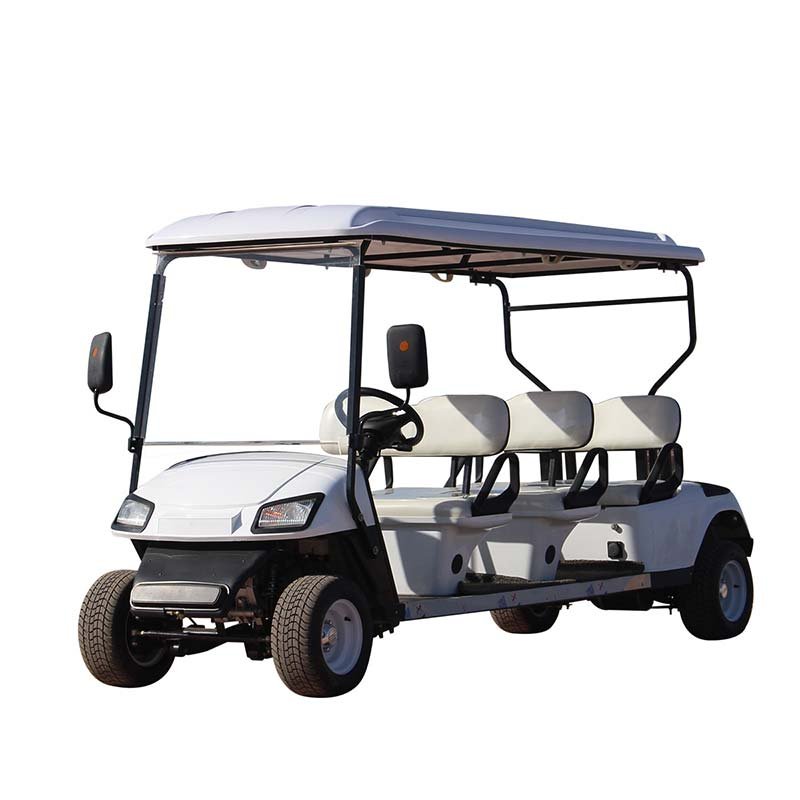
MV-A6 · Catalogue configuration
Carro de golf MV-A6 de 6 plazas
Discuss your passenger duty and any proposed accessory compatibility separately.
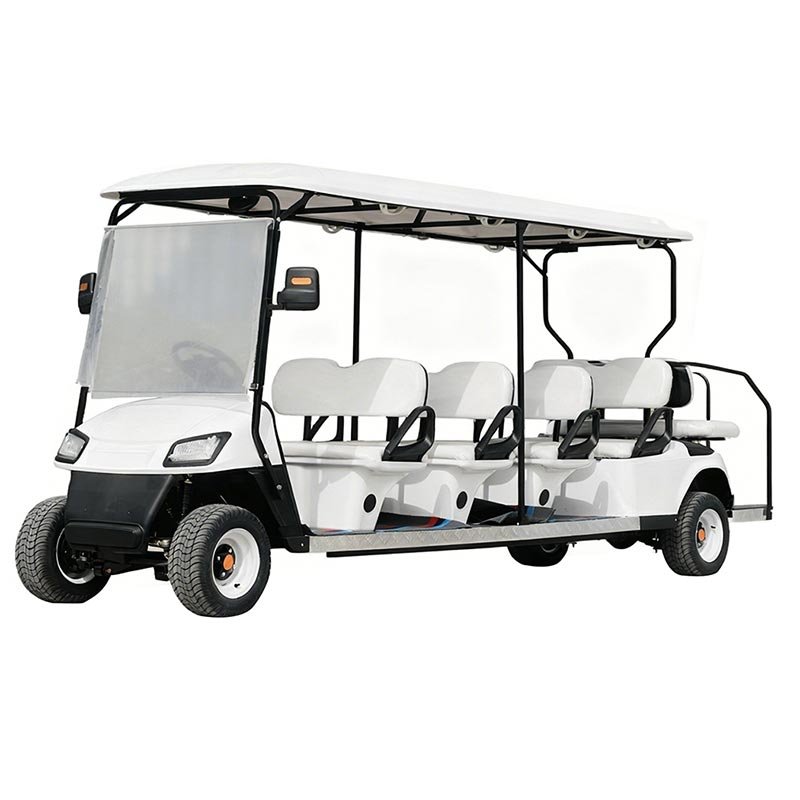
MV-A8+2 · Catalogue configuration
Carro de golf MV-A8+2 de 10 plazas
Discuss your passenger duty and any proposed accessory compatibility separately.
Discuss your fleet requirements
Tell us your passenger needs, quantity, operating location and delivery destination.

