




A golf cart shuttle shift handover checklist should transfer responsibility for the current service state: available vehicles, active restrictions, unfinished requests and actions needing follow-up. The outgoing and incoming teams should review the same information, clarify uncertainties and record who now owns each unresolved item.
A key exchange or a maintenance-history log cannot perform that whole task. The handover is a defined transition between teams, with a time and an acknowledgement. Its purpose is to make the next operating period intelligible without forcing the incoming staff to reconstruct decisions from scattered messages.
Decide what the incoming team needs to know
Begin with the tasks the next team will actually manage. Include the vehicles available for assignment, those held from use, current route restrictions, outstanding passenger requests and any expected provider or maintenance activity. Leave unnecessary personal passenger information out of the shared handover record.
HSE’s shift-handover guidance describes preparation, exchange of task-relevant information and cross-checking by incoming personnel. Its examples include major-hazard industries; the communication principles are useful here without implying that a golf cart operation has the same equipment or risk profile.
Ask incoming staff which omissions make their first decisions difficult. A long form can still miss the fact that one pickup point is unavailable or that a vehicle has been substituted. Design the record around those practical information needs rather than the desire to document every conversation.

Prepare a time-specific fleet status
Record the status of each relevant unit using stable fleet identifiers. Distinguish available, assigned, held and awaiting a decision in the site’s agreed terms. Do not use an ambiguous note such as “back soon” when the incoming dispatcher needs to know whether a vehicle may accept work.
Link a vehicle hold to the relevant service record, while keeping the handover concise. The history explains the issue; the handover identifies its current operational consequence and the responsible follow-up contact.
HSE’s inspection and maintenance overview provides general background on checks, defect reporting and manufacturer guidance. A handover acknowledgement does not complete a technical check, authorize repair or release a vehicle whose hold remains unresolved.
Carry route restrictions into the next shift
List the current route or stop restrictions with location references, instruction versions and the person responsible for further decisions. Where there is an approved alternative, identify its reference rather than asking the incoming driver to interpret an old map annotation.
Keep the handover connected to the temporary detour plan. The plan owns the changed journey; the handover makes sure the next team knows it is still in force. A restriction should not disappear merely because the staff member who first reported it has gone home.
HSE’s safety-critical communication overview discusses timing, suitable language and communication methods. Apply those themes by drawing attention to an important changed instruction before the next assignment, with a written reference that supports the conversation.
| Handover field | What the next team needs | Follow-up owner |
|---|---|---|
| Fleet state | Actual unit identifiers and current operating status | Fleet or dispatch role |
| Route state | Active restrictions and approved instruction references | Responsible site contact |
| Open requests | Request identifier, accepted status and next action | Named incoming role |
| External activity | Expected visit or work and operational interface | Site and provider contacts |
| Uncertainty | Question, temporary status and escalation route | Person responsible for resolution |
Transfer open work with an explicit owner
For each unfinished item, state what has happened, what remains to be done and who now owns the next step. An outgoing note saying “supplier contacted” is incomplete if nobody knows whether the incoming team should wait for a reply, call again or keep a vehicle held.
Use the dispatch communication protocol for live request ownership. The shift handover should identify requests that cross the boundary without duplicating or closing them prematurely. Keep an accepted assignment distinguishable from one that was offered but not acknowledged.
Consider a fictional request awaiting a confirmed suitable vehicle when the shift changes. The useful handover names the unresolved requirement and the incoming owner. Simply copying “pickup pending” onto the new sheet may preserve the words while losing the decision that still needs to be made.

Make the exchange two-way
Provide an appropriate opportunity for the outgoing and incoming personnel to discuss the record and clarify it. HSE’s handover guidance supports face-to-face, two-way exchange backed by written information. Where the service arrangement makes direct overlap difficult, have the responsible manager establish a reliable alternative rather than leaving an unattended note as the assumed solution.
The incoming team should cross-check important information against the current records before taking responsibility. An acknowledgement means the transfer has been understood; it should not conceal a question that remains unresolved or certify a technical condition the person has not assessed.
HSE’s workplace communication guidance gives general context for understandable roles and regular information. Use familiar location names and status terms. The source’s UK legal statements are not presented as universal requirements for a particular handover form.
Keep keys, permissions and documents aligned
Coordinate the handover with key control, but do not treat possession of a key as the complete operating decision. The incoming team still needs to know which drivers, vehicles and routes are covered by the current permissions.
Temporary units need particular care. Link any relevant hired vehicle record so the incoming shift can identify the actual unit and provider contact. A familiar dispatch nickname must not hide a replacement that has different acceptance conditions.
HSE’s organising guidance provides general background on allocation and coordination of responsibilities. Define who owns the handover process, who resolves a missed transfer and who may change the working form.
Review missed information without inventing results
When a handover omission is found, preserve the relevant record and ask which information failed to reach the next decision maker. Was the item missing, unclear, outdated or understood differently? Review the form and the exchange process together rather than adding another signature box automatically.
Use actual observations to decide whether a change helps staff. Do not claim a fixed reduction in incidents, delays or costs without reliable evidence. A shorter checklist may improve usability in one operation while omitting needed context in another.
Keep completed handovers as dated snapshots with the related records available. Correct errors through the site’s traceable process rather than silently rewriting the earlier shift’s account. The current instruction and historical record should be distinguishable to the people using them.
Connect operating requirements to a fleet enquiry
When discussing MOVIVEX vehicles through fleet planning, explain the intended shifts, passenger duty and support arrangements. Ask about documentation for the exact proposed configuration. A vehicle purchase can support the service, but it does not by itself establish a working handover process.
Frequently asked questions
Is a signed key register enough?
No. It records one part of the transfer. The incoming team also needs current vehicle status, restrictions, open requests and unresolved-action ownership.
Should the handover repeat the whole maintenance history?
No. Link the relevant history and explain the current operating consequence. Keep the handover usable while preserving access to the supporting records.
What happens if the incoming team finds an uncertainty?
Keep it explicit, retain the appropriate temporary operating status and use the agreed escalation route. Acknowledgement should not turn an unresolved question into approval.
Does every operation need the same checklist?
No. Build the fields around the incoming team’s actual decisions, then review the process with the people who use it. Keep the responsibility transfer and cross-check clear.
Related video: communicating a shift handover
This TJ Larkin presentation discusses shift communication in a petroleum safety conference context. Use it as a general communication example; no industry-specific operating procedures or quantified improvement claims are transferred to this golf cart workflow.
Third-party educational video by TJ Larkin. Watch on YouTube
Explore related MOVIVEX golf carts
Use these existing catalogue vehicles as starting points for a configuration discussion. Confirm the ordered specification and support scope in writing.
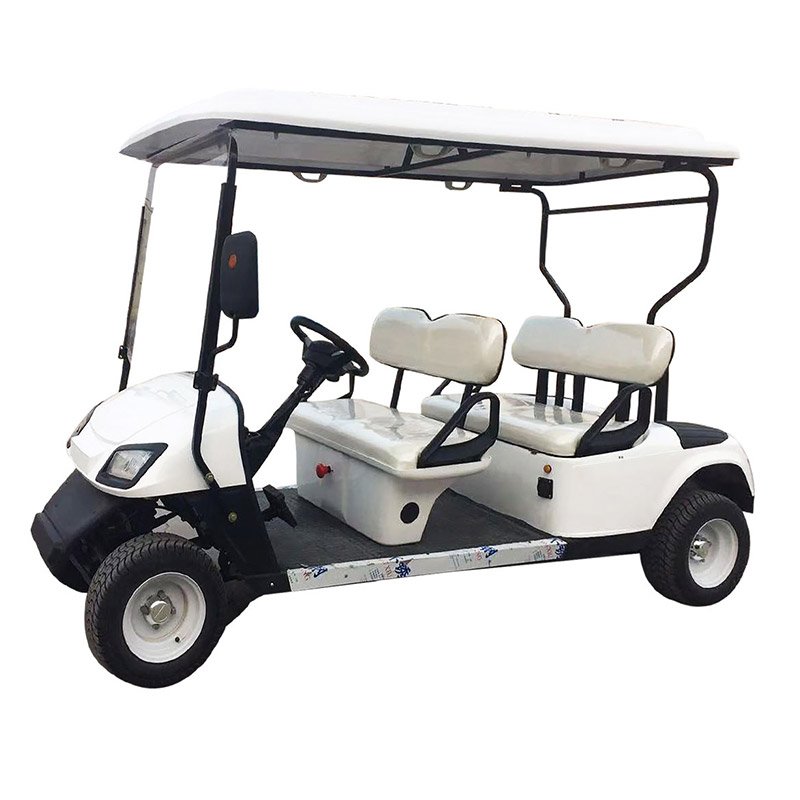
MV-A4 · Catalogue configuration
Carro de golf MV-A4 de 4 plazas
Ask about exact supplied documentation and support contacts for your operating team.
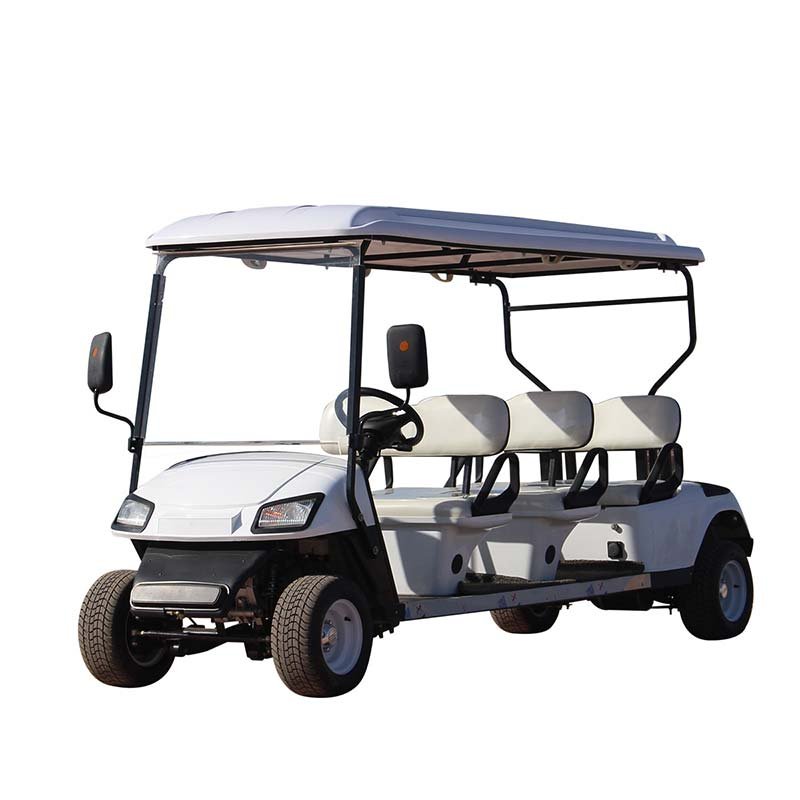
MV-A6 · Catalogue configuration
Carro de golf MV-A6 de 6 plazas
Ask about exact supplied documentation and support contacts for your operating team.
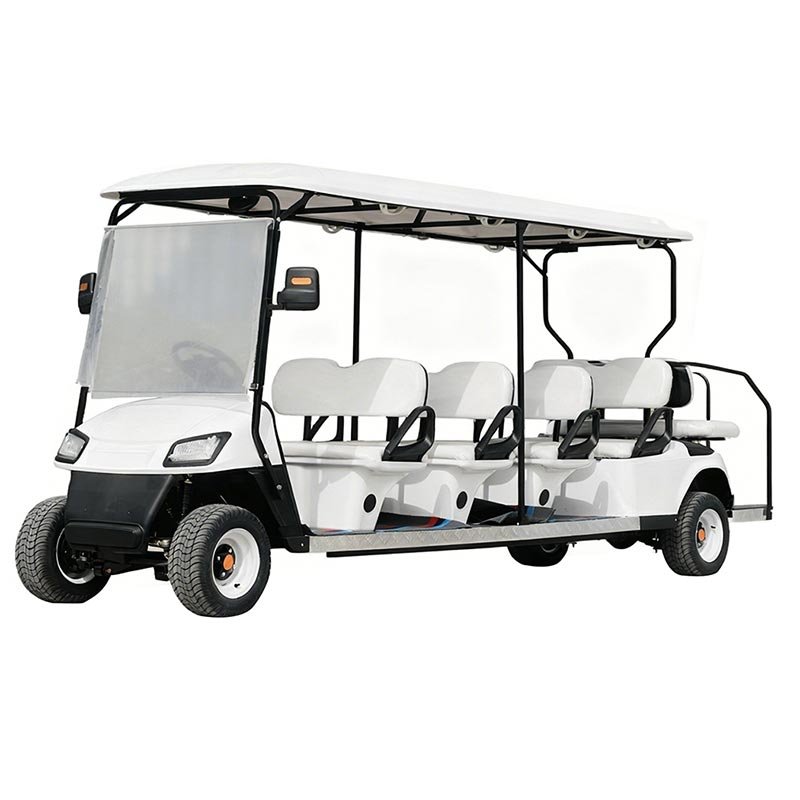
MV-A8+2 · Catalogue configuration
Carro de golf MV-A8+2 de 10 plazas
Ask about exact supplied documentation and support contacts for your operating team.
Discuss your fleet requirements
Tell us your passenger needs, quantity, operating location and delivery destination.

