




A visiting or temporary golf cart driver needs a site-specific briefing before receiving short-term permission to drive. Confirm the assigned duty, relevant competence, actual vehicle, permitted route, reporting arrangements and authorization expiry. Experience at another resort does not establish familiarity with today’s route or this site’s restrictions.
For a MOVIVEX commercial fleet, the practical deliverable is a short visitor briefing record linked to a named host and an approved duty. This article addresses people temporarily assigned to drive managed-site carts. It does not authorize members of the public to drive, replace model-specific instruction or establish road-use eligibility. UK HSE material provides general workplace guidance; confirm local requirements separately.
Decide whether temporary driving is appropriate
Identify why the visitor needs to drive and whether that duty has been approved. A contractor attending a meeting, a temporary employee assigned to a shuttle and a delivery driver arriving in their own vehicle have different roles. Do not issue a fleet key simply because someone has entered the site or holds a road driving licence.
Check relevant competence and any local eligibility requirements through the responsible organization. Where the assignment exceeds the person’s demonstrated capability, arrange another means of completing the task. The existing driver onboarding and authorization guide covers the broader programme; the visitor brief narrows permission to this actual visit.
HSE’s visiting drivers guidance highlights workplace layout, routes and safe working arrangements. Adapt those general principles to the cart assignment. Its examples about delivery vehicles do not define golf cart capacities, road permissions or technical operating limits.

Identify the cart and the permitted task
Show the driver the actual vehicle and current operating information. Confirm the intended passenger or goods duty, approved areas and any restrictions established for that unit. Similar-looking carts may have different configurations or instructions. A temporary driver’s permission should refer to the vehicle or approved vehicle group clearly enough to prevent substitution by guesswork.
Arrange suitable familiarization under the site’s competent process. HSE’s training and competence guidance connects training needs to the equipment and risks. For your operation, determine what instruction and demonstration are necessary before the driver acts independently. A signature alone does not demonstrate understanding.
Explain what the person must not undertake without further authorization. Examples might include changing duty, using an unfamiliar route or taking a different cart configuration. Do not place technical repair, recovery or electrical tasks inside a short visitor briefing. If a problem develops, the driver needs a clear reporting and assistance route.
Use the current route, not yesterday’s map
Explain the permitted route, pickup and waiting locations, relevant pedestrian interfaces and areas excluded from the assignment. Use the current approved route information. Where a gate, event or temporary work changes access, show the actual arrangement rather than asking a visitor to follow someone who may be doing a different job.
HSE’s pedestrian and vehicle separation guidance supports reviewing how different users share a site. Point out the interfaces the driver will meet and the site’s approved response. Do not invent a universal speed, clearance or priority rule; use the arrangements established for that location.
Show where to wait when an instruction is unclear and who can approve a route change. Connect this with the temporary detour process. An unfamiliar driver should not have to choose between blocking a route and improvising a shortcut through a passenger area.
Keep the briefing record short and specific
| Record item | What to confirm | Boundary to retain |
|---|---|---|
| Visit and duty | Name, organization, host, dates and assigned task | Permission applies only to the agreed visit and duty |
| Vehicle and competence | Approved cart identification, relevant evidence and familiarization | No automatic permission for a different configuration |
| Site information | Current route, restricted areas, waiting points and reporting contact | Changes need an authorized update |
| Closeout | Expiry, key return and unresolved reports | Departure does not leave continuing authorization |
Record who delivered the briefing and how understanding was checked. A short conversation in which the visitor explains the route and assistance arrangements can expose a misunderstanding before a key is handed over. Keep personal information proportionate and protected within your organization’s normal record controls.
Explain reporting before something goes wrong
Give the driver a reachable contact and a fallback if that person is unavailable. Explain how to report a vehicle concern, route obstruction, near miss or uncertainty. Identify the approved place to wait for assistance where appropriate. The briefing should make stopping to ask a practical option rather than a personal failure.
HSE’s induction guidance addresses introducing people to workplace transport arrangements. For a visitor, prioritize the information needed for the assigned activity, then provide an accessible reference. Avoid overwhelming a short-term driver with documents that do not explain the route they will actually use.
Coordinate the contact details with the site’s dispatch communication process. Explain who can change an assignment. A request from a passenger or another employee should not silently expand the visitor’s driving scope or remove restrictions imposed by the host.
Illustrative visit change
Suppose a temporary driver was briefed for a campus pickup route and is later asked to collect passengers from another entrance. The driver contacts the named host because the new destination is outside the recorded assignment. The host reviews the current route, vehicle suitability, competence and required instruction before changing permission. If that review cannot be completed, arrange another service response. Record the updated scope and expiry when a change is approved. This is a planning example, not a real operating case or a universal instruction for handling every site situation.

Set an expiry and close the visit
Make the end of permission explicit. Record the visit or shift covered, how keys are returned and who closes unresolved reports. If the person returns for another assignment, review current site information and whether the previous familiarization still applies. Repeated visits do not guarantee that routes, vehicles or duties are unchanged.
HSE’s organising for safety guidance discusses providing relevant information and coordinating visiting organizations. Agree with the visitor’s employer, where applicable, who supplies competence evidence and who provides site instruction. Avoid leaving that division implicit between reception and dispatch.
Close the record with key return, any vehicle or route concerns and the responsible follow-up contact. Keep the operational link to the fleet key register. If a visitor needs a longer role, move them into the appropriate ongoing authorization process instead of repeatedly extending an informal exception.
Related video: golf cart safety awareness
This third-party video introduces golf cart safety awareness in industrial and golf course settings. Use it as background for discussion with a temporary driver, not permission to drive or a substitute for exact-model instruction and current site rules. Any numerical or location-specific examples require independent local review.
Third-party educational video by Online Safety Training Ltd.. Watch on YouTube
Frequently asked questions
Is a road driving licence enough for a temporary cart assignment?
Do not assume so. Confirm applicable local eligibility, relevant competence, model familiarization and site permission. This article does not establish licence rules or authorize public-road driving in any location.
Can reception complete the whole process?
Reception can coordinate records when assigned that role, but technical familiarization and competence decisions need appropriately capable people. Ensure the host and dispatch understand who approves the actual driving duty.
Must every returning visitor repeat every instruction?
Review what has changed and what remains applicable through the site’s responsible process. A different cart, route or task may need further instruction. Do not treat a past signature as indefinite permission.
How should fleet buyers discuss temporary-driver needs?
Describe the intended duty, operating location, vehicle configurations and documentation requirements in a MOVIVEX fleet enquiry. The catalogue cards below help identify the vehicle under discussion; they do not replace the buyer’s site induction and authorization arrangements.
Explore related MOVIVEX golf carts
Use these existing catalogue vehicles as starting points for a configuration discussion. Confirm the ordered specification and support scope in writing.
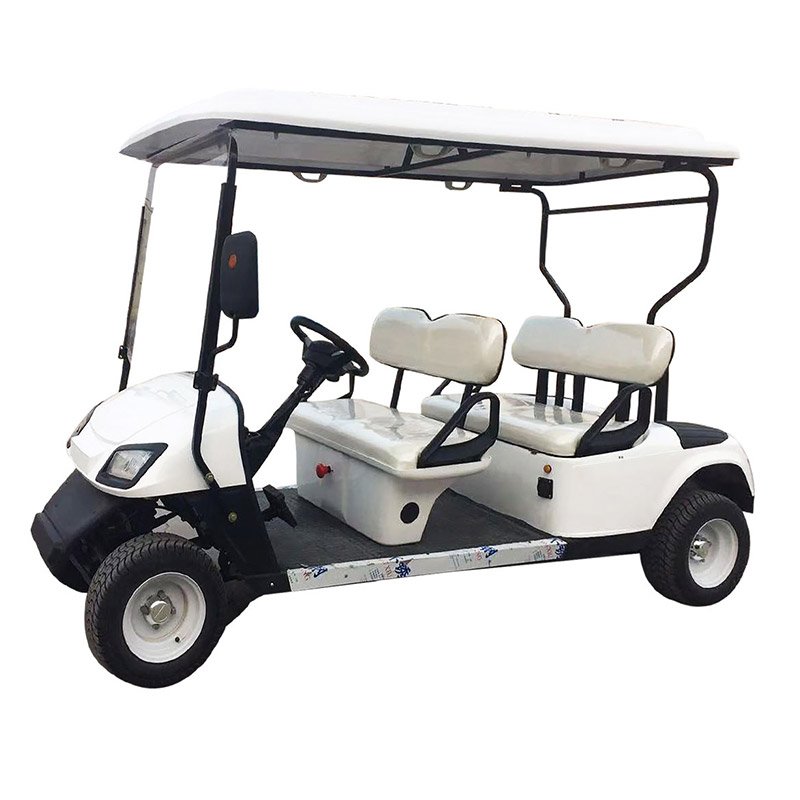
MV-A4 · Catalogue configuration
MV-A4 4 Seater Golf Cart
Discuss the intended duty and vehicle documentation for your site induction process.
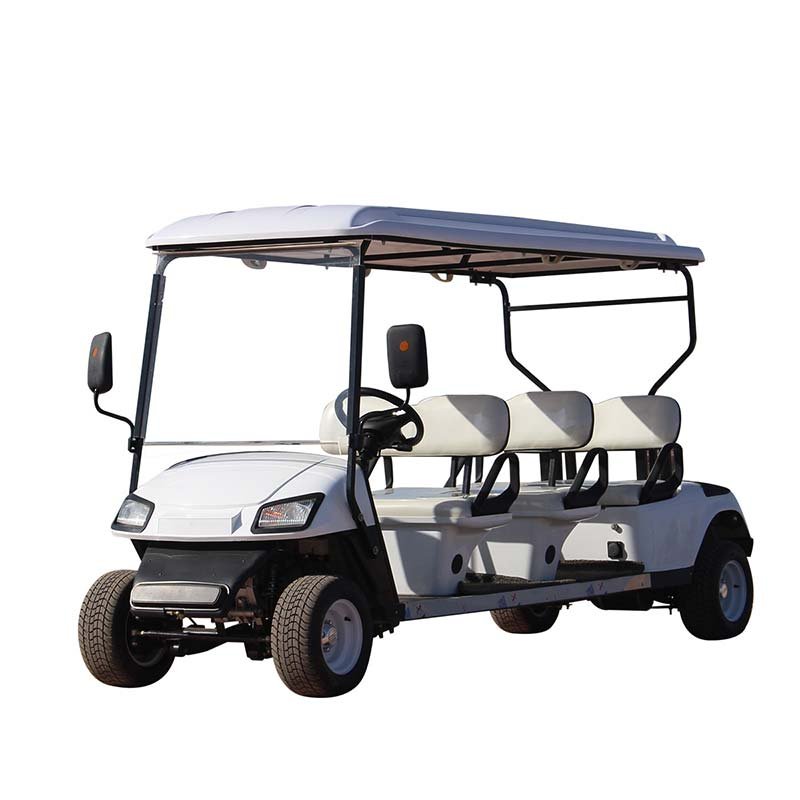
MV-A6 · Catalogue configuration
MV-A6 6 Seater Golf Cart
Discuss the intended duty and vehicle documentation for your site induction process.
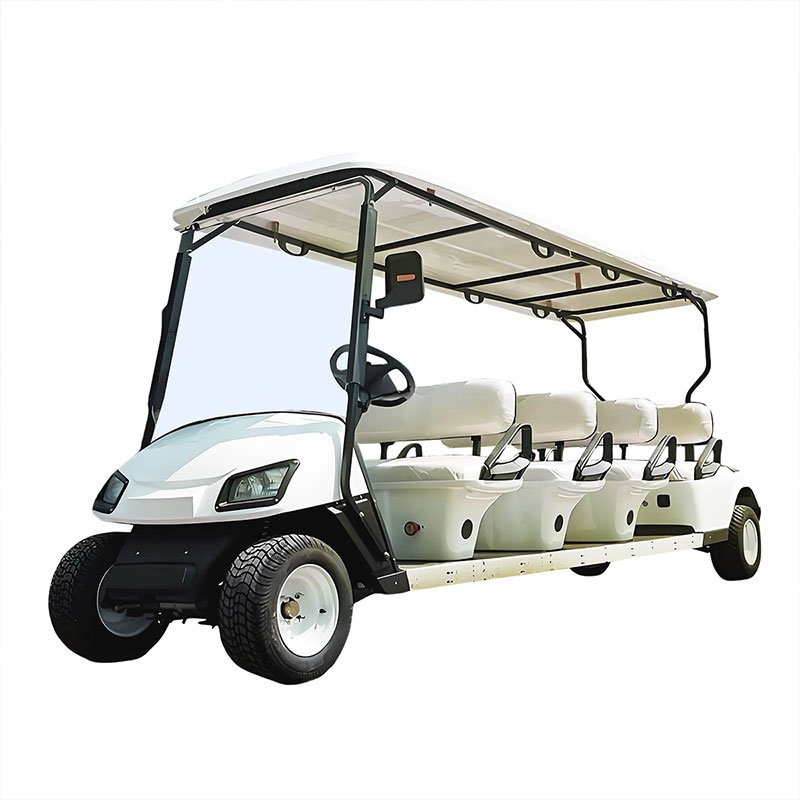
MV-A8 · Catalogue configuration
MV-A8 8 Seat Golf Cart
Discuss the intended duty and vehicle documentation for your site induction process.
Discuss your fleet requirements
Tell us your passenger needs, quantity, operating location and delivery destination.

