




A golf cart shuttle lone worker check in needs a person who receives it and a defined response when it does not arrive. A radio carried by a driver is only part of the arrangement. Identify isolated duties, assess whether they can be performed alone and connect any agreed contact schedule to a reliable, staffed escalation process.
This article concerns worker welfare coordination at managed private sites. It does not approve lone working, prescribe a universal contact interval or replace emergency arrangements. The responsible site team should assess the duty, available help and local requirements with competent advisers before relying on a check-in plan.
Identify when a shuttle duty becomes isolated
Look beyond whether the driver has passengers. An early vehicle collection, a remote waiting period or a late return after reception closes can create periods without close support. Map the duty by location and time, including work before the first trip and after the last one.
The UK HSE’s lone-working overview describes work without close or direct supervision and the need to manage its risks. Use that framework to identify questions for your operation, not to assume that a passenger-facing job can never involve lone work.
Keep the welfare review separate from routine dispatch messages. A trip assignment tells the driver what service to perform. A welfare check establishes the agreed contact and response arrangements for a worker who may need help.
Decide whether the task can be done alone
Review the actual work, foreseeable problems and availability of assistance. Ask whether the duty should be redesigned or staffed differently before selecting a device. A technically successful radio call does not make an otherwise unsuitable isolated task acceptable.
HSE’s risk-management guidance for lone work provides general UK workplace context. Include the relevant people and competent advisers in the assessment. Individual health considerations should be handled privately by appropriate professionals, not collected in a public route log.
Record the tasks that remain outside the driver’s role. A disabled cart, a passenger conflict or an unfamiliar maintenance issue should lead to the appropriate assistance procedure. The check-in plan must not imply that an isolated driver should attempt recovery, repairs or an unsafe intervention.

Specify both sides of the check-in
Identify the worker, designated receiver, backup receiver and agreed communication method. Establish what information confirms the contact and how staff record it. Choose timing and triggers through the actual risk assessment; do not borrow an interval from another site’s policy.
The Canadian Centre for Occupational Health and Safety’s working-alone guidance gives examples of planned contact and backup arrangements. It supports a structured discussion, not a guarantee that a particular schedule or device controls your site’s risks.
Confirm that the receiving role is staffed throughout the duty, including breaks and shift changes. If responsibility transfers, the new receiver needs the current worker status and next expected contact. A number on a contact list is not a response arrangement if nobody is available to answer it.
Write the missed-contact response before starting the duty
The plan should define who recognizes an overdue contact, what action follows and when the responsible person uses emergency arrangements. Establish the approved response with site safety personnel and local responders where appropriate. This article does not prescribe search tactics or a delay before seeking urgent help.
| Plan element | Question to resolve | Evidence to retain |
|---|---|---|
| Duty scope | Which locations and times were assessed? | Current duty reference |
| Receiver | Who is actively monitoring contact? | Named role and confirmed coverage |
| Contact trigger | When or under what circumstances is contact expected? | Approved assessment reference |
| Failure response | Who acts if contact fails? | Escalation procedure and backup |
| Duty closure | How is safe completion confirmed? | Recorded handback or final contact |
This is a planning template. Keep the actual response instructions accessible to responsible staff. Do not publish personal contact details in passenger notices or treat an automatically stored message as evidence that a human receiver has acknowledged it.
Check communications where they will be used
Review coverage, equipment availability and foreseeable failures from safe locations. Include the driver’s ability to communicate without distraction and the receiver’s ability to interpret the message. Define what happens if the agreed method is unavailable before the isolated duty begins.
HSE’s training, supervision and monitoring guidance discusses contact and emergency arrangements. Use it to review the complete system, including the receiving end. Buying an alarm or an app does not establish a competent response.
If a change affects the approved duty, communicate it through the shift handover. A route diversion, closed gate or relocated waiting point can change the assistance available. Review the temporary route arrangement before assuming the existing check-in plan still fits.

Practice the response without creating a real emergency
Use a planned exercise with the responsible staff to walk through a missed contact. Explain that it is an exercise and follow the site’s arrangements for any involvement of external responders. Do not generate a false emergency call or ask a driver to enter an isolated hazard to test the plan.
HSE’s guidance for workers emphasizes understanding arrangements and raising concerns. Ask staff whether they can explain the contact method, backup and action if circumstances change. Correct a confusing procedure before relying on it during a real duty.
Record what the exercise reveals: an unavailable receiver, an unclear location name or missing handover information. Assign actions and confirm completion. A well-presented policy does not resolve a practical gap unless the people responsible can perform their part.
Keep records proportionate and current
Retain enough information to show the planned duty, contact and follow-up without turning the record into an unnecessary personal profile. Discuss access, retention and any monitoring technology with the appropriate local advisers. This guide does not claim that MOVIVEX supplies tracking, alarms or a monitoring service.
Include the process in driver instruction and coordinate responsibilities with any contract shuttle operator. Make clear which organization receives a missed-contact alert and who has authority to change the duty.
Plan for a change in receiver availability
For an illustrative late-duty scenario, the nominated receiver is called away before the driver finishes. The process should establish who takes over, how that person confirms acceptance and what happens if coverage cannot be maintained. Avoid an informal assumption that another colleague will notice a missed call.
Record the actual handover and next expected contact under the approved plan. If the arrangement no longer meets the assessed duty, refer the work allocation to the responsible supervisor instead of extending isolated work on an unconfirmed understanding.
Frequently asked questions
Does carrying a radio make lone work acceptable?
No. Assess the task and available support first. Communication equipment supports an approved arrangement; it does not remove every risk or replace staffing that the assessment identifies as necessary.
How often should a driver check in?
The actual assessment should determine the schedule and event-based triggers. This article supplies no universal interval. The receiver and response arrangements must match the agreed plan.
Can a normal dispatch update count as a welfare contact?
Only if the approved process defines what confirms welfare, who acknowledges it and how the next action is recorded. A routine assignment message alone should not silently replace those requirements.
What vehicle information belongs in procurement?
Request the applicable operating documentation for the actual MOVIVEX configuration through an inquiry. Worker monitoring and response arrangements remain a separate site responsibility, not an implied feature of a catalogue cart.
Related video: protecting lone workers
This Health and Safety Executive video introduces lone-worker risk management in the UK workplace context. It supports the discussion of duties and available help; it does not approve a particular shuttle duty or set a universal check-in interval.
Third-party educational video by Health and Safety Executive. Watch on YouTube
Explore related MOVIVEX golf carts
Use these existing catalogue vehicles as starting points for a configuration discussion. Confirm the ordered specification and support scope in writing.
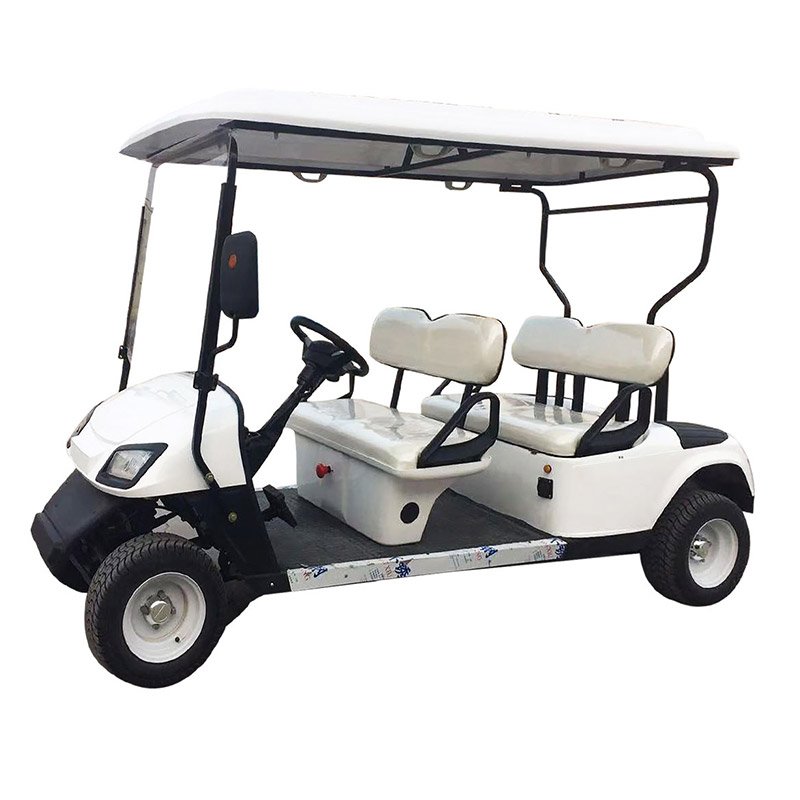
MV-A4 · Catalogue configuration
Carrinho de golfe MV-A4 de 4 lugares
Discuss vehicle duty requirements; a monitoring service or tracking capability is not implied.
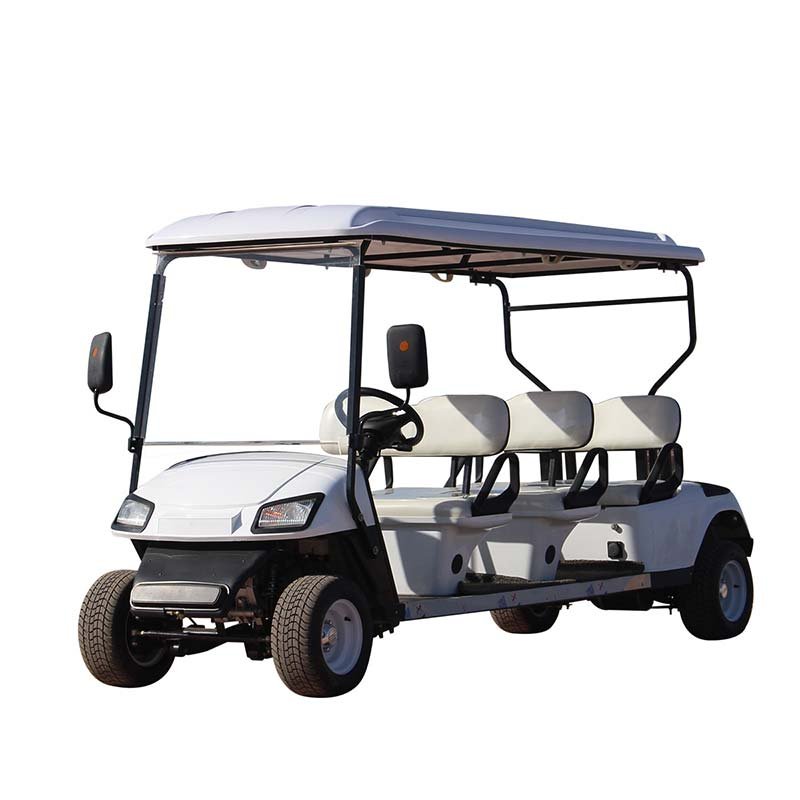
MV-A6 · Catalogue configuration
Carrinho de golfe MV-A6 de 6 lugares
Discuss vehicle duty requirements; a monitoring service or tracking capability is not implied.
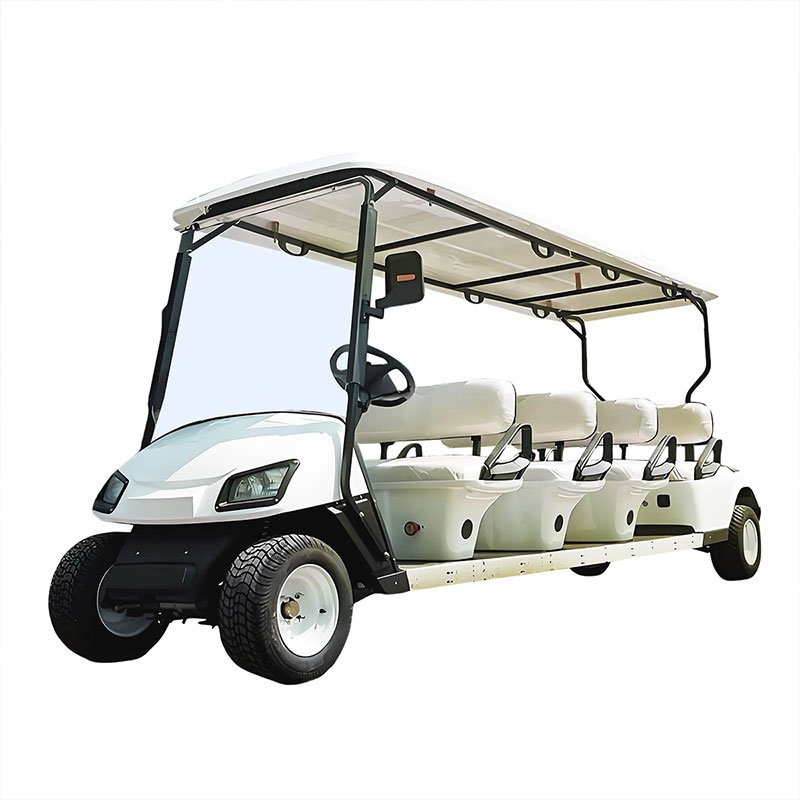
MV-A8 · Catalogue configuration
Carrinho de golfe MV-A8 de 8 lugares
Discuss vehicle duty requirements; a monitoring service or tracking capability is not implied.
Discuss your fleet requirements
Tell us your passenger needs, quantity, operating location and delivery destination.

