




A golf cart driver onboarding plan should connect a person’s relevant experience with the exact vehicle, route and duty they will be authorized to perform. Identify the learning needs, organize appropriate familiarization and supervised assessment, and retain the decision and its scope. Attendance at a briefing is useful evidence of attendance; it is not automatically evidence that every operating task has been assessed.
This guide helps fleet managers organize the process. It does not issue a driving qualification, set universal training hours or provide a vehicle operating course. Use competent personnel, the actual supplied instructions and applicable local requirements. The key-control guide addresses the later checkout decision rather than the design of onboarding itself.
Start with the intended work
Describe the proposed duty before selecting the briefing or assessment. Record the vehicle configuration, route, passenger assignment and relevant operating periods. A person supporting a quiet private transfer may face different information needs from someone joining a changing event shuttle service.
Ask about relevant prior experience without treating it as a complete authorization. Record what information is available and which questions still need review. Experience with another vehicle or another property’s route can help identify learning needs, but it does not prove familiarity with the exact assignment at this site.
The UK HSE initial training guidance provides workplace context for considering experience, duties and relevant instruction. Its legal statements apply in their stated jurisdiction. Determine the actual requirements for the site and vehicle through the appropriate local process.

Separate vehicle information from site information
Create two linked parts of the plan. One identifies the applicable vehicle instructions and configuration-specific information; the other addresses the current site route, stops, restrictions and reporting contacts. Keeping both visible helps prevent a generic presentation from being mistaken for a complete assignment briefing.
Obtain the correct documents for the unit or configuration being used. Do not copy a procedure from another model simply because the vehicles look similar. If a document or operating question is unclear, ask the appropriate supplier or qualified reviewer to resolve it before it becomes part of the onboarding material.
Identify who is competent and authorized to provide the relevant instruction and assessment. The person managing the roster may organize attendance without being the qualified assessor for every task. Record responsibilities so the process does not depend on an informal assumption that another department has checked everything.
Make the route briefing current and specific
Show the current route version and approved stops, including where the assignment is restricted. Explain the site’s communication and issue-reporting process. Operators need to know whom to contact when the approved arrangement cannot be used as intended, rather than being expected to create an alternative while carrying passengers.
The HSE traffic-route resource provides general workplace context for reviewing routes. It does not approve the specific golf cart assignment. Use the site’s current assessment and instructions to establish what the briefing must communicate.
Connect temporary changes to the detour process. A person who completed onboarding before maintenance work began may need updated information. Keep the route change visible to the authorization and dispatch owners rather than assuming that earlier training covers every later arrangement.
| Onboarding stage | Record | Question answered |
|---|---|---|
| Assignment definition | Vehicle, route and intended duties | What work is being considered? |
| Learning needs | Relevant experience and unresolved requirements | What instruction or review is needed? |
| Familiarization | Applicable documents and current site information | What information has been provided? |
| Assessment | Scope, responsible assessor and actual evidence | What has been evaluated? |
| Authorization | Decision, limitations and review triggers | What assignment may now be released? |
This is an illustrative administrative framework, not a universal training syllabus. Add the evidence and assessment requirements established by the competent process. Keep a distinction between planned activities and those actually completed.
Record supervised evidence without inventing competence
The appropriate assessor should define the assessment scope and method for the actual vehicle and duty. This article does not provide driving exercises or permission to test a vehicle’s limits. The record should identify what was evaluated, under which conditions and by whom.
Do not replace missing evidence with a broad statement that the operator passed everything. If part of the intended assignment remains outside the assessment scope, record that boundary and refer the next step to the responsible person. A clear limitation is more useful than an unsupported complete status.
Keep the actual vehicle identifier or configuration reference where relevant. Several carts can share a model name while differing in ordered equipment. The onboarding record needs enough detail for the authorization owner to understand which instruction and assessment evidence applies.

Include passenger and pedestrian coordination
Review the site information the operator needs at pickup points and along the route. Connect the briefing to the boarding queue plan and the approved stop arrangement. Avoid turning a passenger instruction into permission to use an unreviewed loading location.
The HSE pedestrian separation guidance provides general context for interactions between people and vehicles. Apply the site’s actual assessment and instructions; examples from a different workplace or vehicle category are not automatically the correct controls for a golf cart route.
Include the current route names, reporting contacts and action for an unexpected condition. Temporary or visiting staff need the relevant local information even if they have prior experience elsewhere. The HSE visiting-driver guidance provides general context for communicating site-specific arrangements.
Related video: golf cart familiarization topics
This university golf cart safety video illustrates topics that may need discussion during familiarization. It is not a complete course or an authorization decision for your fleet; use your exact vehicle instructions and competent site process.
Third-party educational video by UC MainStreet. Watch on YouTube
Define the authorization decision and review triggers
Name the person who authorizes the assignment and record the decision, scope and any established limitations. Connect that decision to the checkout process. A training attendance list and a key handoff serve different purposes; neither should silently stand in for the authorization record.
Identify conditions that prompt a review under the site’s process. Examples may include a changed vehicle configuration, a new route, an extended absence or information arising from an event review. Do not prescribe one universal refresher interval without confirming the applicable requirements.
Fleetio’s reporting overview provides administrative context for assignments and issues. A simple linked register can show whether current authorization references match the intended vehicle and duty. Keep personal information limited to the people authorized to use it.
Keep onboarding connected to operating changes
Assign someone to maintain the current instructions and remove obsolete versions from the briefing location. A new sign, temporary stop or revised operating restriction may need communication before the next assignment, not only when the annual paperwork is reviewed.
Use the fleet service log for vehicle issues and the authorization record for the operator decision. Linking them helps the dispatch team distinguish a vehicle availability concern from a learning or authorization requirement.
When selecting MOVIVEX catalogue configurations, ask for the documentation supplied with the exact order. Include the intended duties in your fleet planning brief and quotation enquiry. Supplier documents support familiarization; the site’s competent process determines operator authorization.
Frequently asked questions
Does previous golf cart experience remove the need for onboarding?
Do not assume that. Assess the relevance of the experience and provide the vehicle and site information required for the actual assignment.
Is briefing attendance the same as assessed competence?
No. Keep the information provided, assessment evidence and authorization decision identifiable as different parts of the process.
Can one record cover every configuration?
Only to the extent established by the competent process. Record the actual scope and resolve differences in equipment or duty before assuming interchangeability.
Who owns the final assignment decision?
Name the responsible authorization owner in the site’s process and connect the recorded decision to dispatch and key release.
Explore related MOVIVEX golf carts
Use these existing catalogue vehicles as starting points for a configuration discussion. Confirm the ordered specification and support scope in writing.
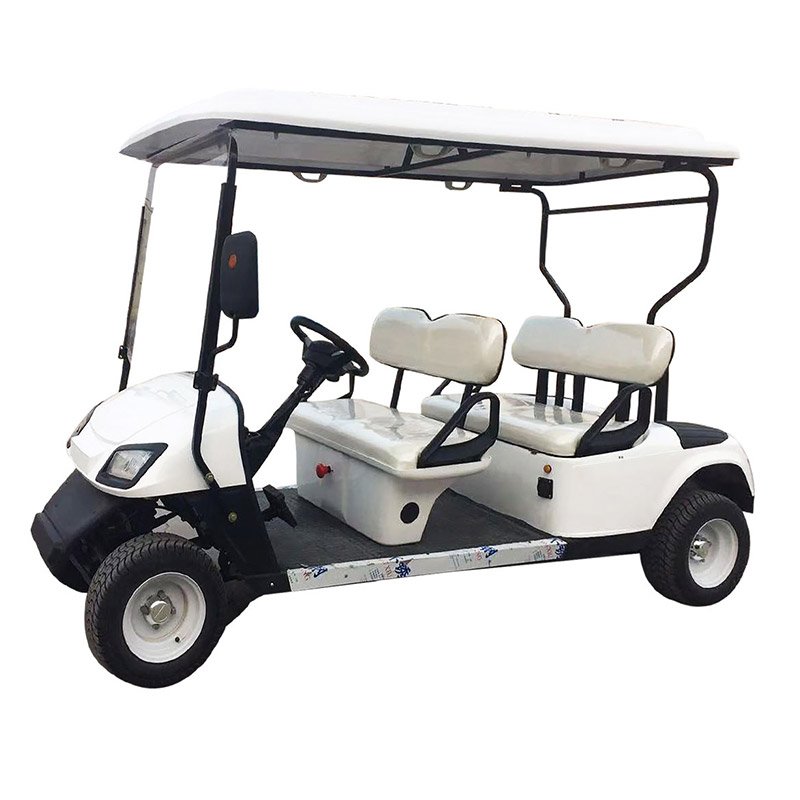
MV-A4 · Catalogue configuration
Carrinho de golfe MV-A4 de 4 lugares
Ask for the exact configuration documents needed for vehicle familiarization.
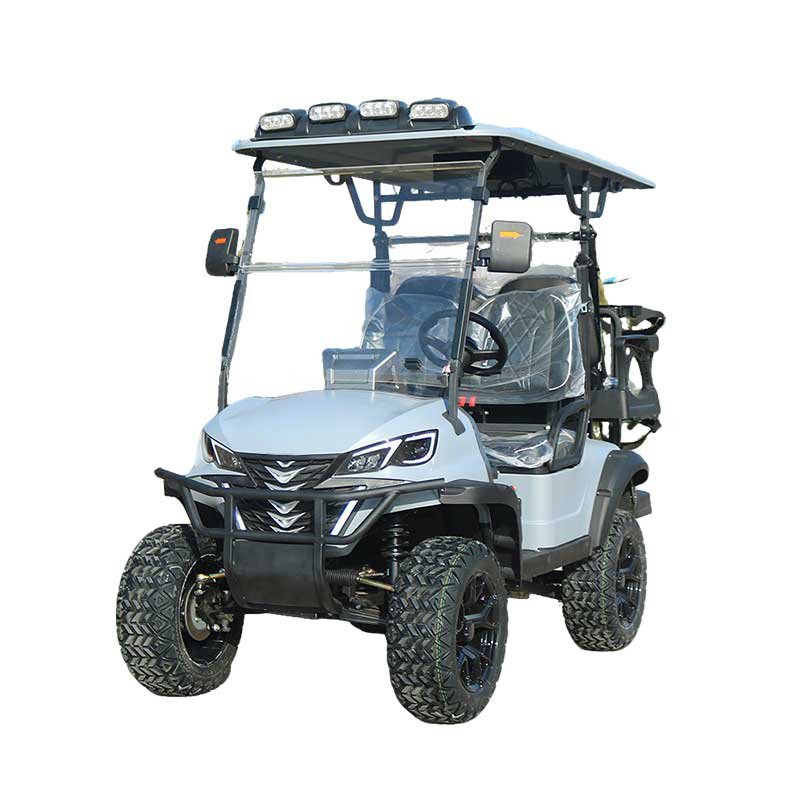
MV-C2+2 · Catalogue configuration
Carrinhos de golfe MV-C2+2 de 4 lugares
Ask for the exact configuration documents needed for vehicle familiarization.

MV-D2+2 · Catalogue configuration
Carrinhos de golfe chineses MV-D2+2
Ask for the exact configuration documents needed for vehicle familiarization.
Discuss your fleet requirements
Tell us your passenger needs, quantity, operating location and delivery destination.

