




A golf cart pre shift inspection is useful only when a driver knows what to check, how to describe an unusual condition and who decides whether the cart can enter service. A signed form without a response process can leave the same concern waiting for the next driver. Commercial fleets need a short, configuration-specific routine linked to a clear dispatch decision.
This guide provides an operating framework for private-site fleet managers. It does not replace the supplied vehicle manual, competent maintenance assessment or applicable local requirements. The practical output is a usable check sheet and defect escalation route, rather than a repair instruction or a certificate that a vehicle is safe.
Define the purpose before designing the form
Separate the start-of-shift observation from scheduled servicing. A driver looks for conditions covered by an approved routine before taking responsibility for the vehicle. A technician diagnoses faults and performs authorized work. A supervisor coordinates the decision when the driver finds something outside the agreed acceptance criteria.
The UK HSE’s vehicle inspection guidance discusses shift-start checks, appropriate instruction and reporting problems. It provides general workplace context, not a universal golf cart checklist. Base the actual items on the exact cart, its fitted equipment and your assessed use.
Keep the routine distinct from your preventive maintenance calendar. Completing a driver check does not extend a service interval, close an unresolved workshop defect or authorize a previously restricted vehicle. Confirm those status records before allocating the cart.
Start with the supplied configuration and current instructions
Identify the fleet number, actual model, relevant manual revision and installed equipment. Two carts that appear similar may have different controls or accessories. The same generic checklist should not silently assume identical procedures across every vehicle in a mixed fleet.
Use your manual revision register to locate the current instructions. Ask the supplier to clarify missing or contradictory information before converting it into an operator task. Do not invent a brake test, tire pressure, battery procedure or warning threshold to fill an empty field.
For a MOVIVEX procurement discussion, request the documentation applicable to the quoted configuration. A catalogue name alone does not establish every fitted feature. Put the document requirement into the fleet configuration brief so receiving staff can verify what arrives.

Make each observation specific and within the driver’s role
A competent person should develop the check sequence around the manufacturer’s instructions and the site assessment. Potential headings include visible tire condition, lights where fitted, visibility equipment, seating and access areas, obvious damage, and any prescribed control checks. These are headings for review, not permission to inspect energized components or improvise moving tests.
HSE’s work equipment inspection guidance distinguishes inspection needs according to equipment and risk. Use that principle to avoid a long form full of irrelevant boxes. A clear “not fitted” option is more informative than a tick that hides an assumption.
Write the expected reporting action beside an item that can create uncertainty. If a driver notices a new noise, damaged fitting or warning indication, the form should explain whom to contact and how to prevent unintended allocation while the concern is assessed. Drivers should not need to assign a technical diagnosis.
Capture enough information for an actionable defect report
Record the vehicle identifier, time, reporting driver, observed condition and where it was noticed. Use plain descriptions such as “left headlamp not illuminating during the prescribed check” rather than guessing a failed component. A photograph can support the report when it can be taken without entering a hazardous area or operating the vehicle.
| Record field | Useful entry | Purpose |
|---|---|---|
| Vehicle and shift | Fleet identifier, date and allocation | Connect the report to the correct cart |
| Observation | What was seen, heard or indicated | Avoid an unsupported diagnosis |
| Immediate status | Held from allocation under the site procedure | Prevent an unresolved concern being missed |
| Responsible recipient | Named role and acknowledgement time | Show who has the next action |
| Follow-up reference | Linked assessment or work record | Retain the outcome without duplicating it |
The table is an illustrative record structure. Your approved procedure must define the actual restrictions and authority. A color label or dashboard status helps only if everyone understands its meaning and dispatch staff can see it before assigning a vehicle.
Define escalation before the first busy departure
Agree who receives the initial report, who can assess the concern and who communicates the allocation decision. Include an unavailable-supervisor route. If the person with authority cannot be reached, the driver should not have to choose between ignoring the observation and inventing a repair.
HSE’s maintenance guidance emphasizes competent work and clear arrangements for reporting problems. Keep operator reporting separate from maintenance access. Opening electrical enclosures, bypassing an interlock or adjusting a component is not an extension of a visual check.
Use the dispatch communication protocol to carry the vehicle restriction into the actual assignment system. If a replacement is required, confirm that replacement’s status independently. The fact that another cart is available does not mean it has completed the relevant checks.

Teach the routine and review the reports
Explain the form with the actual vehicle and approved instructions. Ask the driver to demonstrate finding the correct checklist, recording an observation and contacting the responsible role. A classroom signature alone does not show that someone can navigate your fleet identifiers and dispatch process.
HSE’s driver training guidance provides context for making instructions understood. Integrate the routine into driver onboarding and authorization, including language needs and how temporary staff receive the current version.
Review recurring observations with the maintenance lead. Several reports about the same fitting may justify investigation; they do not prove a specific cause. Feed useful findings into the service log through linked references, keeping the original report and the technical outcome distinguishable.
For an example of how one institution separates observations, review Liberty University’s golf cart pre-use inspection form. It is an institution-specific example, not a MOVIVEX checklist. Its fields can prompt a discussion about identifiers and reporting, but your fleet needs its own approved content and instructions.
Check that the process survives a vehicle change
Suppose a driver is reassigned after reporting a concern. The replacement cart needs its own applicable routine and its own allocation status. Keep the original defect open under the original identifier, confirm who acknowledged it and tell dispatch which vehicle the driver actually takes. This avoids a completed check for one cart being mistaken for evidence about another.
Frequently asked questions
Can one checklist cover all our carts?
A shared layout can help, but the items and instructions must match each configuration. Clearly identify differences and unavailable features. Have the responsible competent person approve the version before drivers rely on it.
Does a completed check replace servicing?
No. The observation routine, planned maintenance and technical assessment serve different purposes. A completed form does not cancel an open restriction or change the manufacturer’s service requirements.
What if the driver is unsure whether a condition matters?
Provide an escalation route and an interim allocation rule in advance. The driver should describe the observation accurately and seek the designated assessment rather than guess whether continued operation is acceptable.
What should a buyer ask MOVIVEX for?
Request applicable manuals, fitted-equipment details and the correct support contact for the quoted cart. Use the inquiry form to describe your fleet and documentation needs; a generic article cannot approve your operating checklist.
Explore related MOVIVEX golf carts
Use these existing catalogue vehicles as starting points for a configuration discussion. Confirm the ordered specification and support scope in writing.

MV-A2 · Catalogue configuration
Carrinho de golfe elétrico MV-A2
Request the applicable manuals and fitted-equipment details for your approved operator routine.
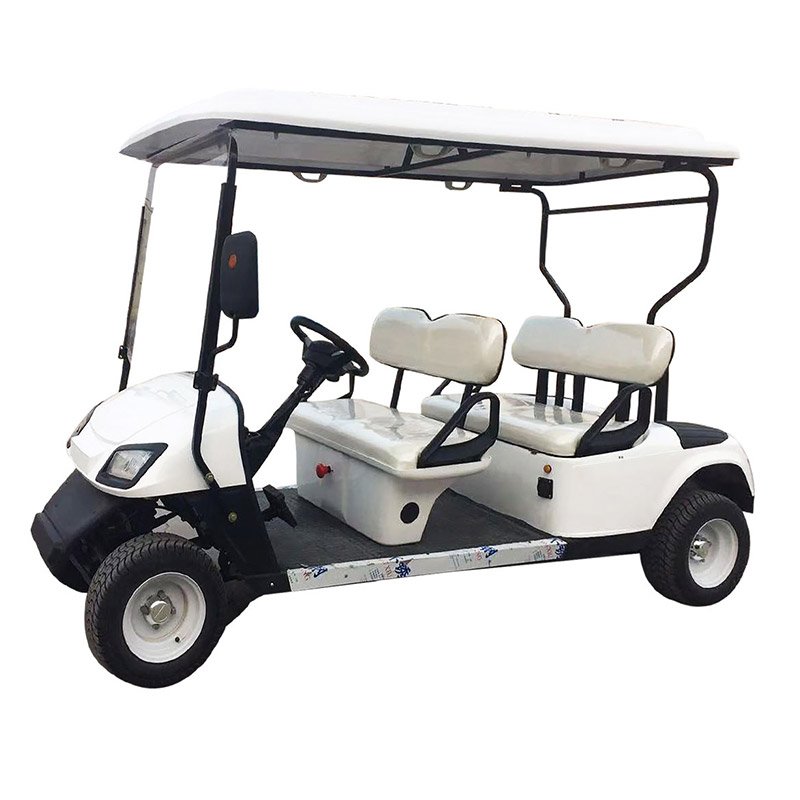
MV-A4 · Catalogue configuration
Carrinho de golfe MV-A4 de 4 lugares
Request the applicable manuals and fitted-equipment details for your approved operator routine.

MV-A6 · Catalogue configuration
Carrinho de golfe MV-A6 de 6 lugares
Request the applicable manuals and fitted-equipment details for your approved operator routine.
Discuss your fleet requirements
Tell us your passenger needs, quantity, operating location and delivery destination.

