




Golf cart battery retrofit approval should address the complete vehicle system before anyone orders components or starts installation. A battery fitting into the available space does not establish compatibility with the charger, controls, protective functions or intended duty. Begin with documented requirements and written review by the relevant manufacturer or authorized technical parties.
This guide is a procurement and approval framework for fleet managers. It contains no wiring, voltage selection, mounting or commissioning instructions. It does not claim that MOVIVEX has approved a particular retrofit, uses Trojan batteries or offers an aftermarket conversion for every catalogue model.
Identify the decision you are actually making
Separate replacement with an approved equivalent from a proposed system change. Ask the responsible supplier to identify which case applies. A chemistry change, a different pack design or an altered charger arrangement can introduce questions that an ordinary spare-part purchase does not answer.
Trojan’s 2026 lithium range announcement is an example of a manufacturer introducing batteries for particular market applications. It is not evidence of compatibility with a MOVIVEX cart. Product marketing cannot replace approval for the actual vehicle and proposed system.
Define the business reason for the proposal: an obsolete component, service planning concern or another documented requirement. Keep that reason separate from unverified promises about range, charging time or lifetime cost. Use the component support review if availability prompted the discussion.
Record the current vehicle before comparing alternatives
Gather the fleet identifier, exact vehicle model, relevant serial information, current battery and charger identifiers, applicable manuals and known modifications. Have qualified personnel obtain information that requires technical access. Fleet staff should not open an enclosure merely to complete a planning spreadsheet.
Use the manual revision register to identify the instructions that apply now. Ask the manufacturer or authorized support contact to resolve missing information. A photograph of an externally similar cart is not a reliable substitute for the supplied configuration record.
Record affected units individually. A mixed fleet can include changes that are not apparent from the seat layout or body shape. Confirm whether one approval covers all proposed vehicles or whether differences require separate review before quantities are agreed.

Request written review of the whole proposed system
Ask the relevant technical parties to review the proposed pack, charging arrangement, electrical interfaces, physical installation and protective functions together. They should define the evidence and authorized work needed for the actual configuration. Do not reduce the request to “will this battery fit?”
A specific product page, such as Trojan’s OnePack 36V battery information, describes that manufacturer’s product. Its claims and documentation remain product-specific. Neither its nominal designation nor a broad application description establishes permission to install it in another manufacturer’s vehicle.
Ask which combinations are approved and what remains excluded. Confirm the intended duty and operating environment through the actual supplier review. Do not transfer battery warranty periods, certification claims or advertised performance to the complete cart or to an unapproved installation.
Make responsibilities and approval evidence explicit
A retrofit proposal can involve a vehicle supplier, battery provider, installer and fleet operator. Identify who supplies each decision and who resolves an incompatibility. A statement from one party should not be treated as confirmation of a different party’s support obligations.
| Approval question | Evidence to request | Owner to identify |
|---|---|---|
| Current configuration | Applicable vehicle and component records | Fleet technical lead |
| Proposed system | Written compatibility scope and exclusions | Relevant manufacturer or authorized technical party |
| Installation | Authorized provider and applicable work instructions | Service coordinator |
| Completion assessment | Required checks and acceptance evidence | Qualified responsible reviewer |
| Ongoing support | Revised documentation and confirmed support terms | Supplier and fleet owner |
This is an illustrative responsibility register. It specifies questions, not technical acceptance criteria. Include document references, versions and outstanding issues so “approved” cannot be mistaken for an informal verbal opinion with no defined configuration.
Keep installation with competent, authorized personnel
Establish the provider’s relevant competence and authorization before work is scheduled. Agree how the work area, vehicle status and operational handover will be controlled. The fleet’s need for a replacement cart does not justify staff performing work beyond their training and authority.
The UK HSE’s equipment maintenance guidance discusses planning work and using competent personnel. It provides general workplace context, not a lithium conversion procedure or a statement of law for every destination.
HSE’s vehicle maintenance and retrofitting guidance also highlights the need to plan modifications carefully. Do not improvise drilling, welding, brackets or alterations because a proposed pack does not match the original arrangement. Refer those questions to the responsible technical parties.
Connect the appointment to the service provider assessment. A contractor being available locally does not establish approval for the proposed system. Confirm the actual scope and escalation route rather than relying on a general maintenance business description.

Agree completion evidence before the vehicle leaves service
Have the responsible technical reviewer define the required post-work checks, documentation and release evidence in advance. Do not create acceptance thresholds from a blog or treat a brief successful drive as proof that all interfaces and protective functions have been assessed.
HSE’s work equipment inspection guidance provides broader context for considering inspection needs when equipment circumstances change. The actual checks for a retrofit must come from the relevant competent parties and applicable instructions.
Update the configuration and service record with the approved components, work reference and completion evidence. Make revised operating and charging instructions available to the people who need them. Clearly distinguish work completion from the fleet’s allocation decision.
Review support and operator information together
Ask how the proposed work affects the support terms for the vehicle, battery and charger. Have the relevant parties confirm their own positions in writing. A battery supplier’s warranty statement does not by itself resolve the vehicle supplier’s position or the installer’s responsibility.
Review the battery warranty questions and identify what operator instruction needs to change. Retire superseded checklists and charger instructions through your document process. Avoid leaving an old quick-reference card beside a newly approved system.
If essential approvals remain unavailable, retain the proposal as unresolved. Discuss an approved replacement route or a different fleet procurement option with the actual supplier. Buying components first can leave the fleet with an installation that no responsible party has agreed to support.
Keep the approved proposal tied to the delivered work
If a component or installation detail changes after approval, refer the difference back to the responsible reviewer. Record the revised document and affected units before treating the original sign-off as applicable. This keeps the acceptance record connected to what was actually installed rather than to a proposal that changed during procurement.
Frequently asked questions
Is matching nominal voltage enough?
No. A nominal designation does not establish full system compatibility. Obtain written review covering the actual vehicle, proposed components and installation requirements from the relevant authorized technical parties.
Can we retain the existing charger?
Do not assume it is suitable. Have the responsible supplier confirm the charging arrangement for the exact proposed system. This article provides no charger settings or permission to reuse equipment.
Does a battery warranty cover the whole retrofit?
Not automatically. Confirm the terms and exclusions of each relevant party. Keep vehicle, component and installation support responsibilities explicit in the proposal.
What should we ask MOVIVEX?
Provide the vehicle identifiers and intended change through a support or configuration inquiry. Request the current approved options and documentation. The catalogue cards below do not imply that a particular aftermarket battery conversion is offered or approved.
Related video: manufacturer battery product overview
This Trojan manufacturer video is a product overview, not an installation procedure or MOVIVEX compatibility approval. Advertised range, lifetime, warranty and charging claims are not adopted for MOVIVEX vehicles. Obtain written review of the exact proposed system from the responsible technical parties.
Third-party educational video by trojanbatteryco. Watch on YouTube
Explore related MOVIVEX golf carts
Use these existing catalogue vehicles as starting points for a configuration discussion. Confirm the ordered specification and support scope in writing.

MV-A2 · Catalogue configuration
MV-A2 Electric Golf Cart
Ask about approved configurations and support; this card does not imply approval of an aftermarket battery conversion.
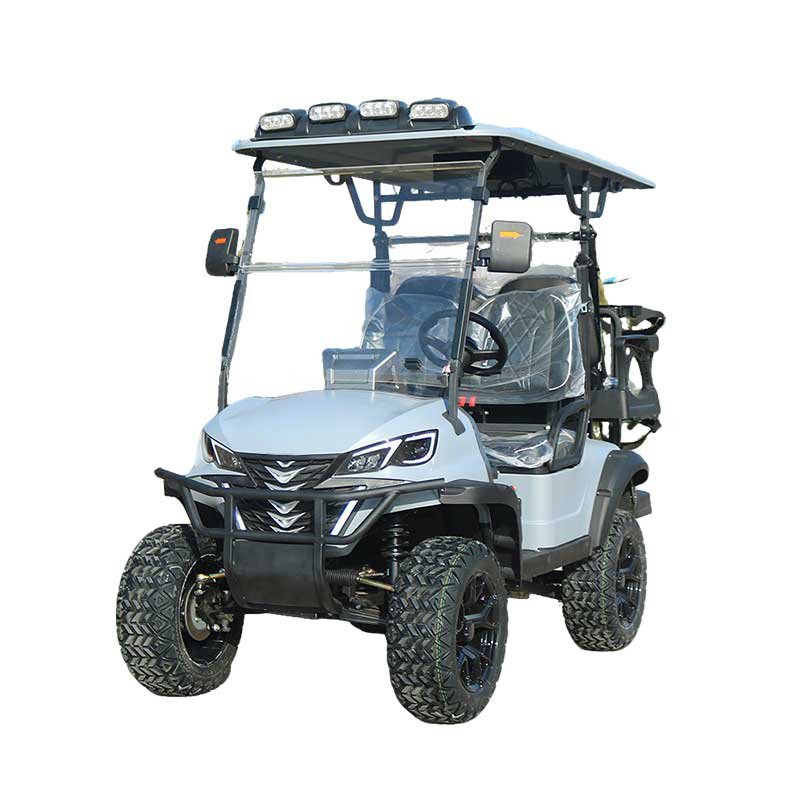
MV-C2+2 · Catalogue configuration
MV-C2+2 4 Seater Golf Carts
Ask about approved configurations and support; this card does not imply approval of an aftermarket battery conversion.

MV-D2+2 · Catalogue configuration
MV-D2+2 Chinese Golf Carts
Ask about approved configurations and support; this card does not imply approval of an aftermarket battery conversion.
Discuss your fleet requirements
Tell us your passenger needs, quantity, operating location and delivery destination.

