




A pedestrian crossing plan for a golf cart shuttle route should begin with the movements people actually make. Identify where walking routes meet the vehicle route, document the approaches and sightlines, and refer the location to the responsible site reviewer. Keep the approved arrangement, communication and follow-up together. A painted crossing or familiar sign is not, by itself, evidence that a particular location is suitable.
This guide helps commercial fleet managers prepare a crossing-specific review record. It does not design a crossing, prescribe universal dimensions or determine local right-of-way law. Connect the review to the campus and community route plan and the actual vehicle instructions.
Map the walking destinations as well as the vehicle route
Start with the places people need to reach: entrances, reception, accommodation, service areas and pickup points relevant to the property. Record the routes used to reach them. A map showing only the shuttle line can miss a common pedestrian approach that becomes important at a busy time.
Identify formal crossing points and observed informal movements separately. An observation that people cross at a location is useful evidence, but it does not approve that location. Give each point a stable reference and record the conditions under which the observation was made.
Use one review sheet for each location when the approaches or operating conditions differ. For an illustrative campus review, an entrance crossing and a service-yard crossing would retain separate observations even if they lie on the same shuttle route. This helps the reviewer avoid applying a decision at one point to another point with different conditions. Record any shared action by reference so its owner can see every location affected.
The UK HSE pedestrian separation guidance provides general workplace context for reviewing interactions between people and vehicles. Its legal statements apply in their stated jurisdiction. The competent site assessment determines the applicable arrangement for the actual property.

Describe the approaches without guessing a remedy
Record how pedestrians and vehicles approach the location. Include the relevant direction, nearby entrance and any condition that affects the view. Describe an obstruction factually rather than deciding that a mirror, sign or different marking will solve it without the appropriate review.
Keep the observations traceable to a route version and time. Landscaping, temporary furniture or a parked delivery vehicle can change the conditions. A photograph may support the record, but it should not be treated as a complete assessment or as proof of the view from every position.
If a question concerns the vehicle configuration, obtain the relevant supplier information and refer it to the reviewer. A product image or an operator’s familiarity with another cart does not establish clearance, stopping performance or suitability for the proposed crossing arrangement.
Review operating periods and changing demand
Observe representative periods relevant to the shuttle assignment. A route may have different pedestrian movements during an event departure, a shift change or a reception peak. Record those conditions without turning a short observation into an unsupported estimate of daily pedestrian volume.
The HSE traffic-route guidance provides broader workplace planning context. For this record, the practical question is whether the proposed movement and conditions have been considered. It is not permission to copy controls or dimensions from another vehicle environment.
Keep the review distinct from the boarding queue plan. A queue concerns waiting and boarding at a stop; a crossing review concerns a walking movement meeting the vehicle route. Link them where the same people use both locations, but do not assume one decision resolves the other.
| Crossing record | Evidence to provide | Decision supported |
|---|---|---|
| Location and purpose | Map reference and pedestrian destinations | Which movement is being reviewed |
| Approaches | Directions, entrances and observed sightline questions | What conditions require assessment |
| Operating context | Relevant periods and temporary changes | Whether the observation represents the assignment |
| Approved arrangement | Reviewer decision and associated instructions | What users should follow |
| Follow-up | Owner, action and review evidence | What remains unresolved |
This is an illustrative administrative record, not a crossing design standard. Add the information requested by the competent reviewer. Leave unknown conditions visible until they are resolved rather than filling a blank field with an assumed operating limit.
Keep crossing instructions consistent
Once the appropriate decision is made, identify the messages operators and pedestrians need before reaching the crossing. Use consistent location names and route references. A site should not rely on one informal instruction passed between drivers while another department directs pedestrians differently.
The HSE signs and markings resource provides general context for understandable route information. The local requirements and site assessment determine the actual instruction and installation. A sign alone does not substitute for reviewing the movement it is intended to support.
Connect affected messages to the route sign register. Keep the approved change, responsible owner and completion evidence together. Do not introduce a new marking informally and assume that every user understands its intended meaning.

Brief operators on the approved arrangement
Use the current site decision when briefing operators. Identify the relevant route, locations and escalation contact if the arrangement cannot be used as intended. Do not ask operators to validate a different crossing while transporting passengers because the usual route is obstructed.
The HSE training guidance provides workplace context for relevant instruction when arrangements change. It does not establish a golf cart qualification. Apply the site’s competent process and the exact vehicle instructions to the actual assignment.
Update the driver onboarding record where the approved process requires it. A person who received an earlier route briefing may still need the current crossing information. Keep communication and authorization decisions identifiable rather than assuming that general experience covers every changed location.
Related video: crosswalk communication context
This municipal crosswalk reminder illustrates the need for understandable pedestrian and driver instructions. Its road rules apply in their stated jurisdiction; it is not a private-property crossing design or a golf cart operating approval.
Third-party educational video by Herriman City. Watch on YouTube
Review changed conditions and reported concerns
Assign an owner for reports about obstructed approaches, confusing messages or changed pedestrian movement. Record what was observed and the current operating decision. A maintenance request does not establish that the crossing concern has been resolved or that the previous arrangement remains appropriate.
Fleetio’s reporting overview provides administrative context for connecting assignments and issues. A simple crossing register can provide the relevant traceability. Link a near-miss concern to the event review process without rewriting the original observation.
If property work changes the route, use the controlled temporary-route process and retain the restoration decision. Avoid allowing a temporary path to become permanent through habit. Review the actual conditions and tell the affected staff which arrangement is now approved.
Connect confirmed route needs to purchasing
When reviewing MOVIVEX catalogue vehicles, ask for the exact configuration information needed by the local reviewer. A catalogue description does not establish suitability for a particular pedestrian crossing or compliance with local facility requirements.
Put the intended duty and unresolved route questions in the fleet planning brief. When you request a quotation, distinguish supplier documentation from decisions requiring a competent site assessment.
Frequently asked questions
Does an informal walking line establish a crossing?
No. It is an observation to include in the review, not an approval of the location or its operating arrangement.
Can a sign solve every crossing concern?
No. Review the actual movement, approaches and conditions through the appropriate process before choosing controls.
Should the plan include temporary obstructions?
Yes. Record changed conditions and refer them to the responsible decision owner rather than assuming the previous arrangement still applies.
What should the fleet retain?
Keep the location reference, observations, reviewer decisions, current instructions and follow-up evidence linked to the route version.
Explore related MOVIVEX golf carts
Use these existing catalogue vehicles as starting points for a configuration discussion. Confirm the ordered specification and support scope in writing.
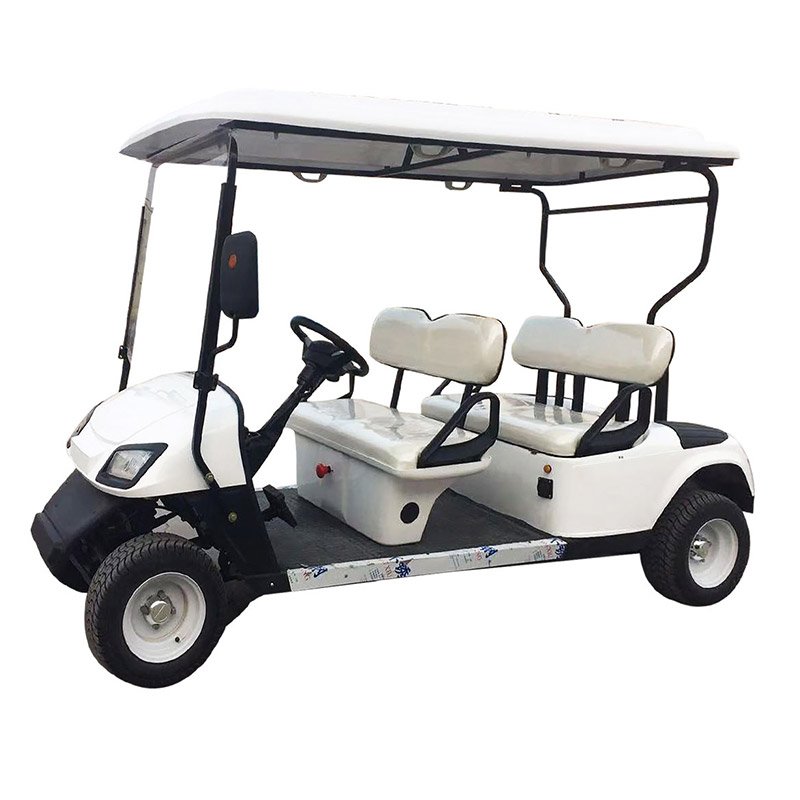
MV-A4 · Catalogue configuration
MV-A4 4 Seater Golf Cart
Ask for configuration information needed for your competent crossing and route review.
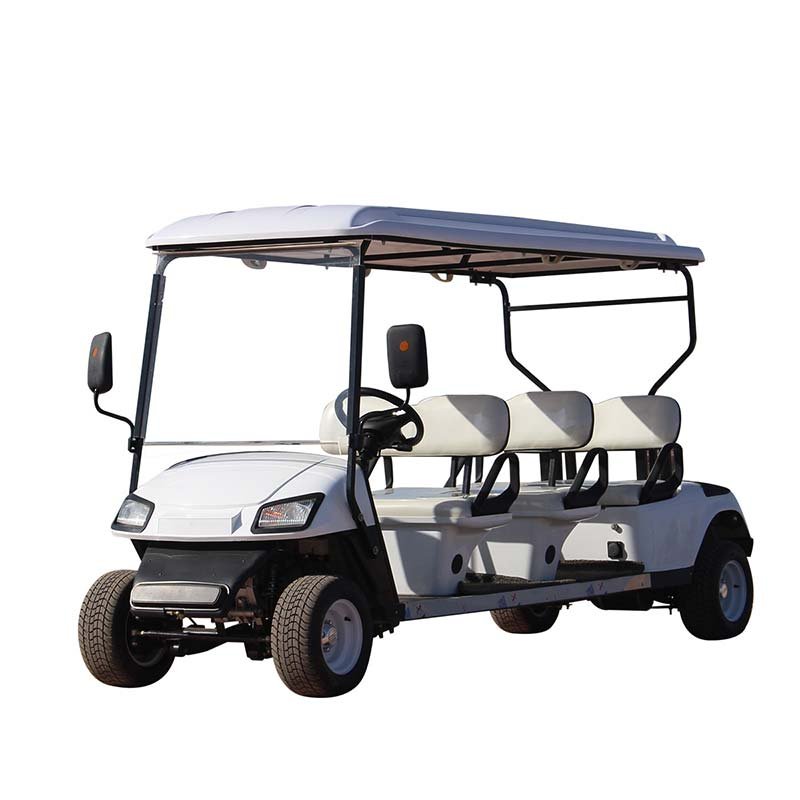
MV-A6 · Catalogue configuration
MV-A6 6 Seater Golf Cart
Ask for configuration information needed for your competent crossing and route review.
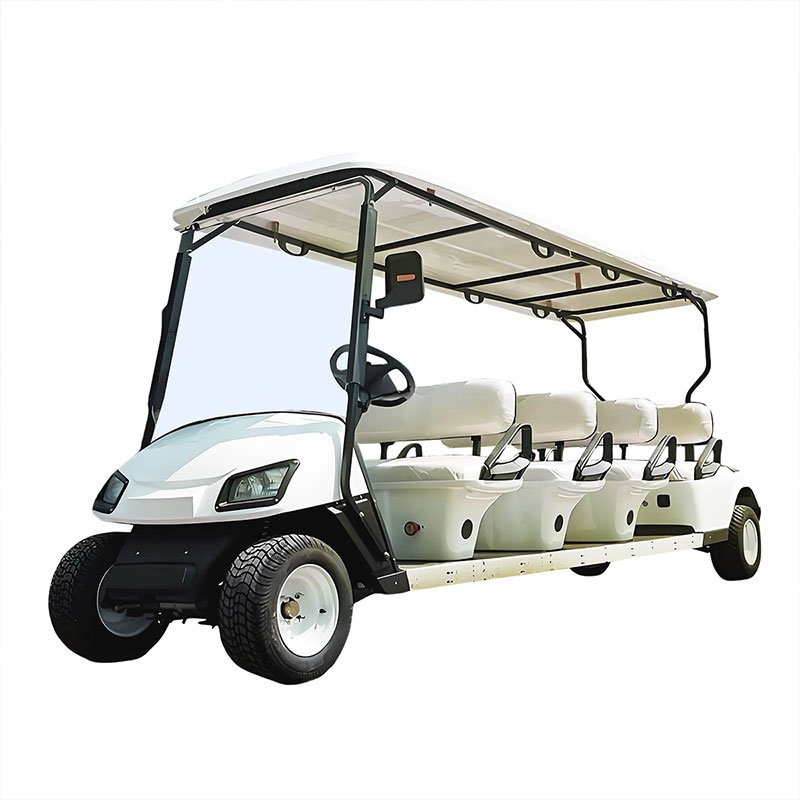
MV-A8 · Catalogue configuration
MV-A8 8 Seat Golf Cart
Ask for configuration information needed for your competent crossing and route review.
Discuss your fleet requirements
Tell us your passenger needs, quantity, operating location and delivery destination.