




A golf cart controlled gate operating plan addresses the interaction between a moving barrier, a vehicle and the people sharing an entrance. A cart fitting through the opening does not establish how it should approach, wait or receive permission to pass. Site managers need an agreed operating arrangement that reflects the actual gate system and traffic pattern.
This guide helps private-site fleet teams organize that discussion with the gate owner, security staff and competent gate professionals. It supplies no sensor adjustment, bypass method or universal waiting distance. Follow the approved gate instructions, vehicle documentation and local assessment for the actual entrance.
Separate physical clearance from operating permission
Record which entrance is involved and what type of controlled movement occurs there. A sliding gate, swinging leaf and rising barrier create different interfaces. Confirm the intended vehicle route, pedestrian route and the responsible gate operator before writing instructions for drivers.
The UK HSE’s traffic route guidance includes gates and barriers among route hazards. Its general principles help structure a site review, but they do not approve a particular cart and gate combination or establish requirements in every jurisdiction.
Complete any needed canopy and gate clearance review separately. This article concerns how the entrance is operated, including waiting and release responsibility. Keep both records connected so a changed canopy, barrier arrangement or route permission prompts the appropriate reassessment.
Map the whole approach, not only the opening
Include the area before the gate, its movement envelope, the proposed waiting position and the space after it. Consider other arriving vehicles, queues, delivery activity and pedestrians. A driver can have permission to enter yet still lack a clear place to go beyond the barrier.
Use the site assessment to establish where a cart may wait without obstructing the gate’s movement or another route. Do not publish a universal setback based on a photograph. The gate professional and site team need the actual dimensions, operating modes and relevant conditions.
HSE’s pedestrian and vehicle separation guidance provides general context for reviewing shared entrances. Link the gate plan to your crossing arrangement where a walking route meets the vehicle approach.

Confirm compatibility with the complete gate system
Ask a competent gate professional to review the intended golf cart use. Do not assume equipment that responds to a larger road vehicle will necessarily behave correctly for every cart configuration. Record which vehicles and operating modes were considered, and what remains unconfirmed.
HSE’s powered gate safety guidance emphasizes the complete installed system and its circumstances of use. A sensor’s presence alone is not evidence that every foreseeable interaction is adequately controlled. Keep technical evaluation with people competent for that system.
Drivers should never test detection by entering a closing path, placing a person in a hazard zone or following another vehicle closely. Do not change sensitivity, disable a protective function or prop a powered gate open as an improvised fleet procedure. Any authorized alternative arrangement needs the responsible professional’s review.
Agree the stop, permission and release sequence
Describe the operating sequence in terms the driver and gate staff can both understand. Establish the approved waiting position, how the driver requests entry, what constitutes a valid release instruction and how the driver confirms the onward route is available. Make conflicting or unclear signals an explicit escalation condition.
| Interface question | Decision to document | Responsible role |
|---|---|---|
| Where does the cart wait? | Assessed holding location for this entrance | Site traffic lead |
| Who permits passage? | Approved authorization and communication method | Gate or security lead |
| Which carts are included? | Reviewed configurations and relevant limits | Fleet lead with gate professional |
| What happens if passage is uncertain? | Hold instruction and contact route | Driver and designated supervisor |
| How is a fault reported? | Entrance restriction and maintenance escalation | Gate owner |
This is a coordination template, not a signal code or installation standard. Avoid a procedure in which security believes the driver controls the gate while the driver believes security has already checked everything. Name the authority and acknowledgement needed at each relevant handoff.
Include deliveries, visitors and busy periods
A quiet demonstration may conceal problems that appear when a delivery truck arrives or visitors queue at reception. Review foreseeable overlapping activity before using the gate in normal service. If temporary marshaling is part of an approved arrangement, its competence, location and communication also need assessment.
HSE’s delivery cooperation guidance discusses exchanging information and agreeing responsibilities between organizations. Use that coordination principle for visiting carriers; do not copy a goods-vehicle procedure without checking its relevance to your site.
Connect entrance notices to the dispatch communication protocol. A route being available yesterday does not mean today’s delivery arrangement or access permission is unchanged. Include the approved alternative in the temporary detour process where appropriate.

Plan for a fault without improvising a workaround
Agree how drivers report a gate that behaves unexpectedly or does not provide clear permission to pass. The response should identify who restricts the entrance, informs dispatch and contacts the gate owner. A shuttle timetable cannot justify entering an uncertain movement zone.
Emergency release and rescue arrangements belong to the approved site procedure and trained responsible personnel. This article does not explain how to operate a manual release or isolate a gate. HSE’s equipment maintenance guidance supports planned, competent maintenance rather than unprepared intervention.
After a change, obtain the appropriate review before resuming the affected use. Preserve the fault report, relevant assessment and revised driver instruction. Update the route information register if entrance instructions change, and confirm that security and dispatch use the same version.
Walk through a representative operating scenario
Before briefing the whole fleet, review a paper scenario with security and dispatch. For example, a cart arrives while a delivery vehicle occupies the onward route. Ask where the cart waits, who withholds permission, how the driver receives a clear update and what happens if radio contact fails. This is a planning exercise, not permission to test a hazardous interaction in live traffic.
Record unanswered questions as actions with named owners. Resolve them through the relevant site assessment or competent gate review before relying on the arrangement. Repeat the discussion after a change in gate equipment, vehicle configuration or entrance activity, rather than assuming an old briefing still describes the installed system.
Frequently asked questions
Does sufficient width mean the gate is suitable?
No. Width and height are only part of the review. The movement envelope, complete protective system, waiting area, other users and operating permissions also need assessment for the intended cart use.
Can a cart follow a larger vehicle through?
Do not assume that permission for one vehicle includes another. Use the approved sequence for your entrance. Following closely can create an interaction the gate system and site arrangement have not been assessed to manage.
Who should approve a new operating mode?
The site must identify its responsible authority and involve a competent gate professional for technical matters. A driver briefing or fleet manager’s note cannot substitute for the necessary system assessment.
How can MOVIVEX help with vehicle information?
Provide the proposed cart configuration and request applicable dimensions and documentation through fleet planning. The gate owner and relevant professionals still need to assess the installed entrance; a vehicle catalogue does not certify it.
Explore related MOVIVEX golf carts
Use these existing catalogue vehicles as starting points for a configuration discussion. Confirm the ordered specification and support scope in writing.
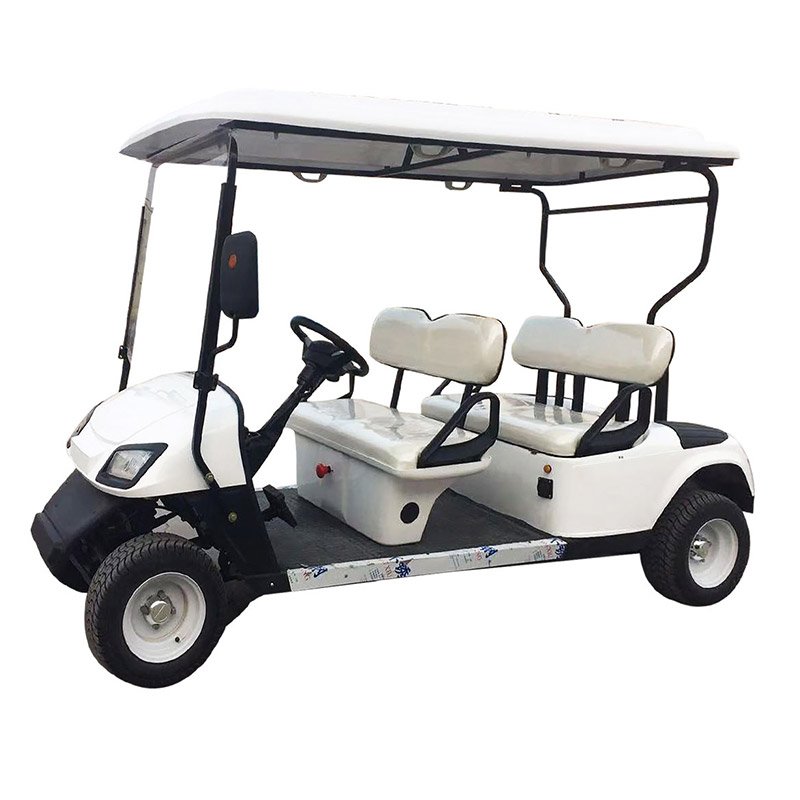
MV-A4 · Catalogue configuration
MV-A4 4 Seater Golf Cart
Request configuration information for your site and competent gate professional to review.
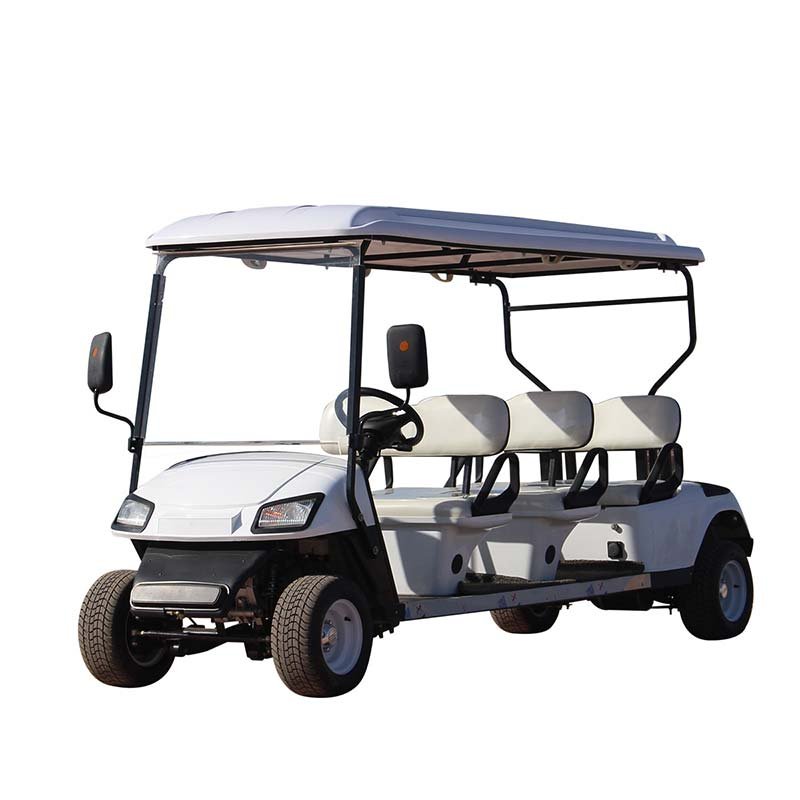
MV-A6 · Catalogue configuration
MV-A6 6 Seater Golf Cart
Request configuration information for your site and competent gate professional to review.
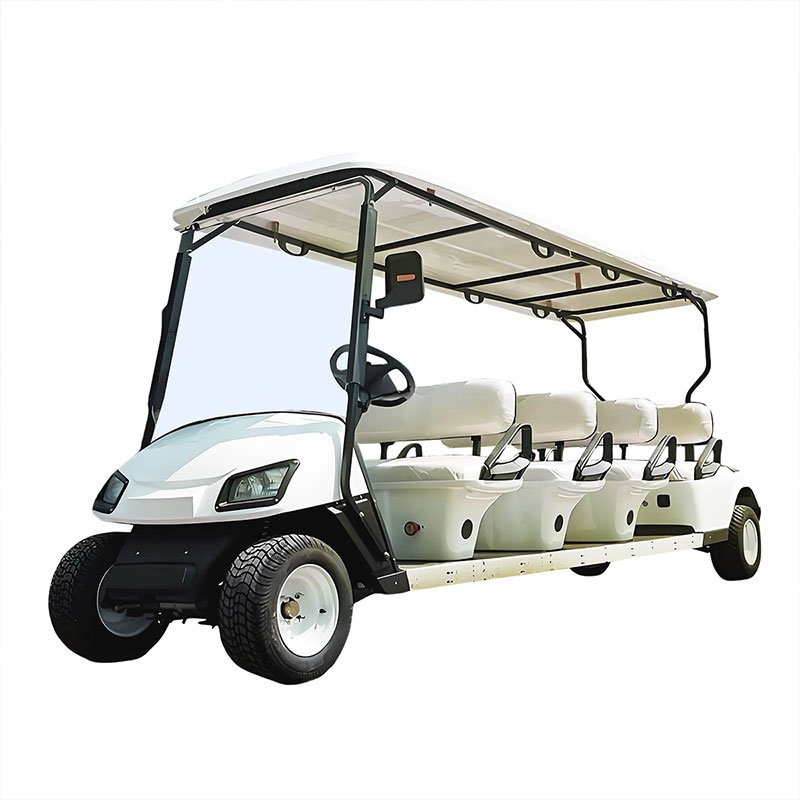
MV-A8 · Catalogue configuration
MV-A8 8 Seat Golf Cart
Request configuration information for your site and competent gate professional to review.
Discuss your fleet requirements
Tell us your passenger needs, quantity, operating location and delivery destination.

