




A golf cart shuttle reversing layout review should begin by asking whether the pickup or drop-off can work without reversing. Map the complete arrival, waiting, boarding and departure movement, then compare suitable drive-through or one-way alternatives. Where reversing remains unavoidable, have the responsible site team assess and approve the specific arrangement before it becomes routine passenger service.
This is a stop-layout review for commercial resorts, campuses and managed properties. It does not teach a reversing manoeuvre, prescribe hand signals or supply a universal turning dimension. The useful output is a documented layout decision with clear operating boundaries, not an instruction that drivers should simply be more careful in the same unresolved space.
Observe the whole movement at the stop
Identify how vehicles enter, wait, collect passengers and leave. Include movements before the first passenger boards and after the last passenger exits. A stop may appear to support forward departure while still requiring a cart to reverse into its waiting position.
Record pedestrian paths, nearby doors, parked vehicles, deliveries and changes during busy periods. Observe through an approved safe process rather than standing in a vehicle path to obtain a better photograph. Keep the location references consistent with the boarding and waiting-area plan.
HSE’s reversing guidance places removing the need to reverse ahead of measures for unavoidable reversing. That hierarchy is useful planning context. The page is UK workplace guidance, not a golf cart site design or a universal operating procedure.

Compare alternatives before adding warnings
Ask the competent site reviewer whether a different stop position, drive-through arrangement or one-way movement could remove the reverse movement. Compare the whole passenger journey, including the walking approach. An alternative that reduces vehicle manoeuvres but creates an unassessed pedestrian conflict is not an accepted solution.
HSE’s vehicle-handling guidance discusses organizing routes to reduce reversing where it cannot be avoided. Use the general principle without importing truck movements, turning values or assumptions about the suitability of a particular direction of circulation.
Document why an option is feasible, unsuitable or still unresolved. A drawing that looks spacious needs to be checked against the actual vehicle configurations, site constraints and intended operation. Do not promise that a smaller model will solve the problem without confirming the relevant information.
| Review item | Question to resolve | Decision evidence |
|---|---|---|
| Arrival | Can the actual vehicle enter through an approved forward movement? | Reviewed approach and configuration |
| Waiting | Does joining or leaving the waiting position require reversing? | Complete movement map |
| Passengers | Where do waiting and walking movements interact with vehicles? | Pedestrian-interface review |
| Departure | Is a suitable drive-through alternative available? | Options and reasons |
| Residual reversing | What specific arrangement remains necessary? | Competent assessment and approved instructions |
Make the pedestrian interface explicit
Consider people approaching from the building, leaving the cart, passing through the area and waiting for another service. Reception staff may direct passengers toward a vehicle before the driver is ready. The layout and the briefing need to address that interface together.
HSE’s safe-workplace guidance provides general context on suitable routes, entrances and separation of activities. It does not establish a particular barrier design, walking distance or accessible stop arrangement for your property.
Keep the review linked to any relevant pedestrian crossing assessment. A crossing plan, boarding queue and reversing review solve related but different problems. Each should use the same current site references so one approved change does not leave another instruction obsolete.
Assess unavoidable reversing as a specific condition
If a suitable alternative cannot remove reversing, identify the exact remaining movement and the conditions under which it is assessed. Ask the responsible reviewer to address visibility, people entering the area and interaction with other vehicles. Do not convert this article into a generic permission to reverse at every stop.
Any use of a signaller, warning device or other control needs appropriate site-specific assessment, competence and applicable instructions. This article supplies no hand-signal system or driver manoeuvre. An alarm or camera should not be treated as proof that the surrounding layout is acceptable.
Record the limitations of the accepted arrangement and who can suspend it if the conditions change. For example, a temporary delivery occupying the approved approach may invalidate the working arrangement rather than merely making the same manoeuvre less convenient.

Check the real configuration before release
Use the actual vehicle and accessory information in the review. Different passenger layouts and vehicle dimensions can affect the movement being assessed. A diagram for a generic rectangle is not evidence that every fleet unit is covered by the decision.
The route acceptance framework can support the wider review. Where a controlled assessment is required, it must use an approved safe arrangement. Do not introduce passengers as an experimental load to find out whether an uncertain layout works.
An illustrative property might find that a relocation of the pickup point removes one reverse movement but changes the passenger walking route. The final decision should address both effects. This example is a planning scenario, not a measured MOVIVEX installation or a claim of reduced incident rates.
Brief the people who influence the movement
Drivers need the approved location and movement instructions, while reception and event staff need to know where passengers should wait and when the arrangement is unavailable. Include visiting or temporary drivers in the relevant briefing process rather than relying on familiarity with another property.
HSE’s communication guidance supports clear responsibilities and understandable working information. Apply that principle through the driver authorization process and the instructions issued to other service teams.
Keep signs and location names aligned with the site signs and markings register. A new sign does not by itself communicate every condition of a revised layout. Have the people using the stop explain the current arrangement back to the responsible team.
Review the layout when conditions change
Trigger a review after relevant changes to the stop, vehicle configuration, pedestrian route or nearby activities. Use actual observations and reports to decide what needs further assessment. Avoid claiming that a layout is permanently safe because an earlier quiet-period review found no difficulty.
HSE’s organising guidance offers general context for allocating responsibilities. Name the owner of the layout record and the contact who resolves a conflicting instruction. UK legal statements in the source retain their own jurisdictional scope.
For a MOVIVEX enquiry, provide the intended stop duty and relevant site constraints through fleet planning. Request information for the exact proposed configuration. The real products below are discussion starting points, not approval for a reversing arrangement.
Frequently asked questions
Should we start by adding a reversing alarm?
First assess whether reversing can be removed or reduced by the layout. Any remaining measures need a competent review of the actual movement and pedestrian interface.
Does a one-way sign make a stop drive-through?
No. Check the complete arrival, waiting and departure path with the actual configuration. An instruction cannot create missing physical space or resolve every conflict.
Can a smaller cart use the same approval automatically?
Only if the responsible assessment explicitly covers that configuration and duty. Do not infer permission from appearance or seat count.
Who should receive a changed layout instruction?
Include drivers, dispatch and the staff who direct passengers or manage nearby activities. Identify the current instruction and remove superseded working versions.
Related video: reversing risk and route assessment context
This Environmental Services Association video discusses reversing risk in waste-collection work. Use its route-assessment context as a discussion aid; waste-vehicle manoeuvres, signaller practices and street operating procedures are not transferred to a golf cart shuttle. Your specific arrangement needs competent site review.
Third-party educational video by Environmental Services Association. Watch on YouTube
Explore related MOVIVEX golf carts
Use these existing catalogue vehicles as starting points for a configuration discussion. Confirm the ordered specification and support scope in writing.
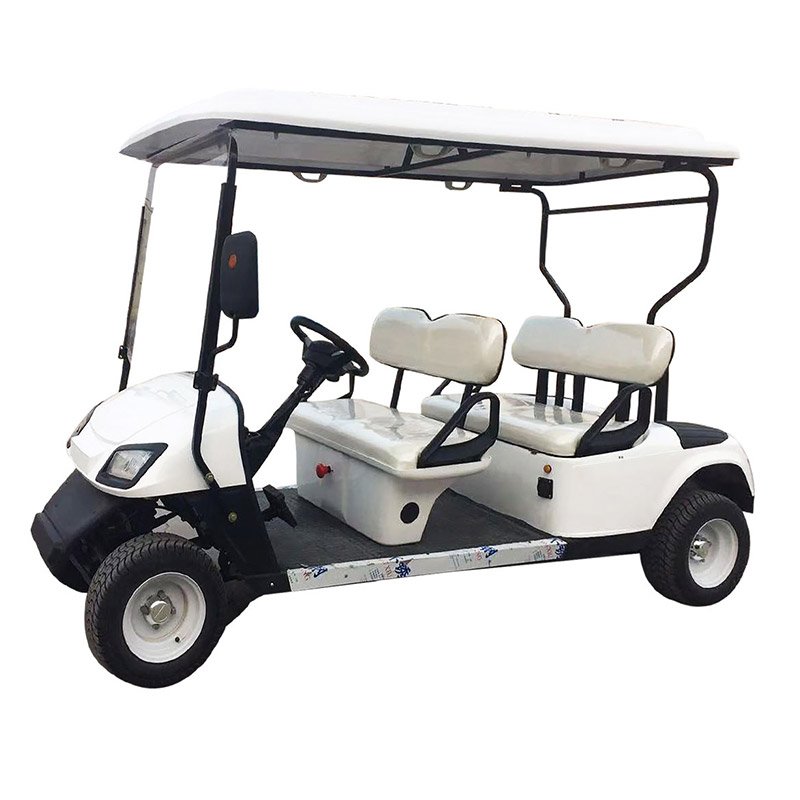
MV-A4 · Catalogue configuration
Carro de golf MV-A4 de 4 plazas
Request configuration information for your competent stop-layout review.
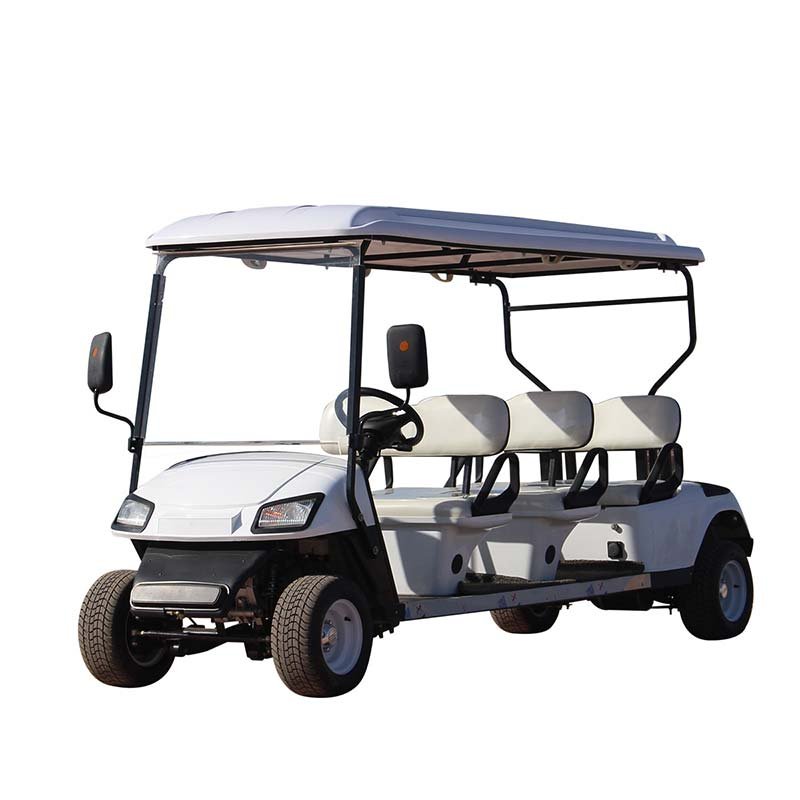
MV-A6 · Catalogue configuration
Carro de golf MV-A6 de 6 plazas
Request configuration information for your competent stop-layout review.
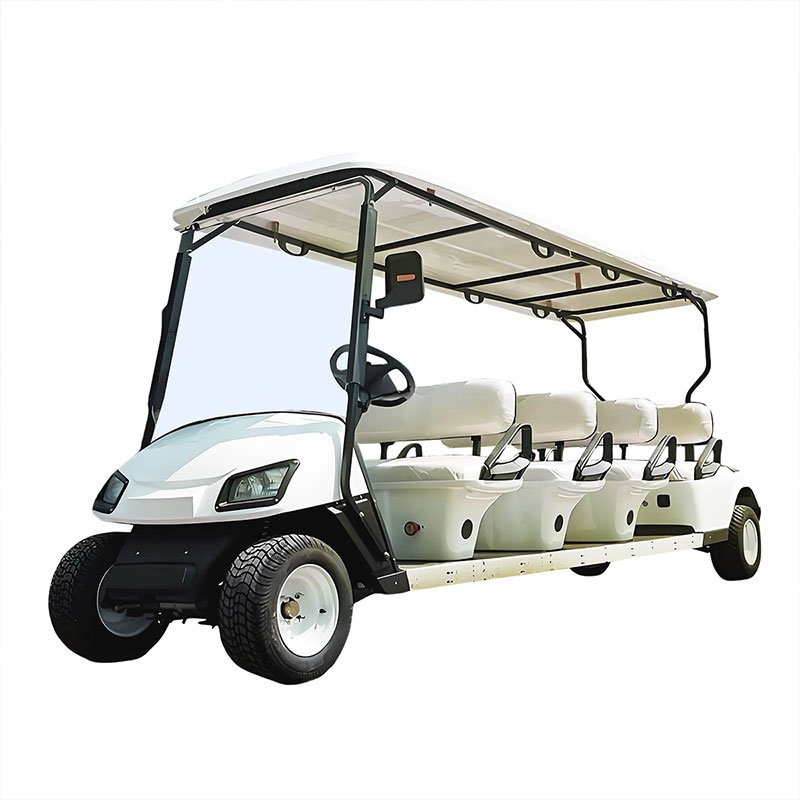
MV-A8 · Catalogue configuration
Carro de golf MV-A8 de 8 plazas
Request configuration information for your competent stop-layout review.
Discuss your fleet requirements
Tell us your passenger needs, quantity, operating location and delivery destination.

