




A golf cart route beside a pond, retaining wall, drainage channel or steep drop needs an explicit edge-exposure decision before vehicles are assigned to it. Start by asking whether the route can move away from the hazard. Where exposure remains, obtain a competent site assessment of the route, ground condition and protective measures. A painted line, decorative fence or driver’s familiarity does not establish that a vehicle can safely operate beside an edge.
This guide helps commercial fleet managers prepare that assessment and communicate its outcome. It does not specify barrier design, minimum setbacks, permitted gradients or a vehicle’s stability limits. Those decisions require the actual site conditions, applicable local requirements and documentation for the exact vehicle configuration. MOVIVEX catalogue models are starting points for a discussion, rather than evidence that a particular route is suitable.
Define the edge problem before discussing a vehicle
Describe what lies beyond the usable route: water, an excavation, an embankment, a lower walkway or an unsupported shoulder. Record where the exposure begins and ends, which direction vehicles travel and whether passengers board nearby. Include service access and the movement needed when a vehicle stops unexpectedly. A route that looks comfortable in normal travel can become constrained when another user approaches or a maintenance crew closes part of the path.
The UK Health and Safety Executive identifies unprotected edges where vehicles could fall or become unstable among the hazards to consider when planning workplace traffic routes. That is useful hazard-identification context, not a universal engineering specification for golf carts. Keep UK legal wording separate from the rules applicable to your property.
Use the existing campus and community planning framework for the broader transport system. The narrower output here is a documented decision about each exposed edge, its permitted operating boundary and the conditions that require closure or reassessment.

Consider removing the exposure first
Ask whether the shuttle can use an inland route, relocate a pickup point or end its journey before the exposed section. Compare the complete alternative journey, including pedestrian access and the ability to turn around. Moving a route inland offers little benefit if it creates an unassessed conflict at the next crossing or requires repeated reversing beside a busy entrance.
Record alternatives that were rejected and why. A shorter journey is not automatically preferable, and an established route is not automatically acceptable. HSE’s guidance on separating pedestrians and vehicles provides related planning context: decisions about vehicle space need to consider the people using that space as well.
If there is a credible unresolved risk of leaving the route, keep the affected section unavailable while responsible specialists assess it. Communicate the temporary shuttle arrangement to dispatch, drivers and passenger-facing staff. Use a clear closure method appropriate to the property; do not rely on a change that exists only in a supervisor’s email.
Prepare useful evidence for the site assessor
Provide a current plan with the route and hazard locations clearly identified. Add dated photographs taken from safe positions, information about drainage and recent ground works, known surface deterioration and any existing barrier documentation. Separate observed facts from assumptions. For example, record a visible crack and its location rather than concluding that the ground can or cannot support a vehicle without an assessment.
Supply the ordered vehicle configuration, passenger arrangement and manufacturer instructions. Distinguish normal operation from loading, waiting and any recovery movement. An assessor should not have to infer the vehicle’s dimensions or configuration from a generic promotional image. The MOVIVEX product catalogue helps identify candidates, but final documents must match the vehicle actually supplied.
Use the site’s manual revision control process to keep the correct instructions attached to that review. Changes to seating, accessories or route use may affect the assumptions previously considered. This article deliberately offers no generic slope, turning or setback number.
| Review item | Evidence to obtain | Decision to record |
|---|---|---|
| Exposed edge | Location, consequence, current condition and safe photographs | Exclude, reroute or assess further |
| Ground and surface | Competent findings, drainage and relevant repair records | Approved usable route boundary |
| Protective measure | Design basis, installation record and maintenance responsibility | Whether it suits the identified exposure |
| Vehicle duty | Exact configuration and manufacturer documentation | Permitted operating conditions |
| Change or damage | Reported event and inspection outcome | Closure and reopening authority |
Distinguish a visual boundary from a protective system
Landscaping, kerbs, ropes and decorative railings can show people where a route is intended to go. Do not assume they will restrain a vehicle. Ask the competent assessor what function each measure is supposed to perform, what evidence supports it and how its condition will be checked. Procurement descriptions such as heavy duty do not answer those questions.
Do not improvise a barrier detail from photographs on another property. Ground conditions, the potential vehicle approach and consequences beyond the edge all matter. Where a protective system is selected, preserve its design and installation information and assign someone to notice damage, missing components or changes around it. An unresolved defect must reach the person with authority to restrict the route.
Surface condition remains a separate issue. HSE’s guidance on managing risks and risk assessment supports documenting hazards and controls. Combine that process with competent findings about the actual route rather than treating a general checklist as a design approval.
Make the operating decision understandable
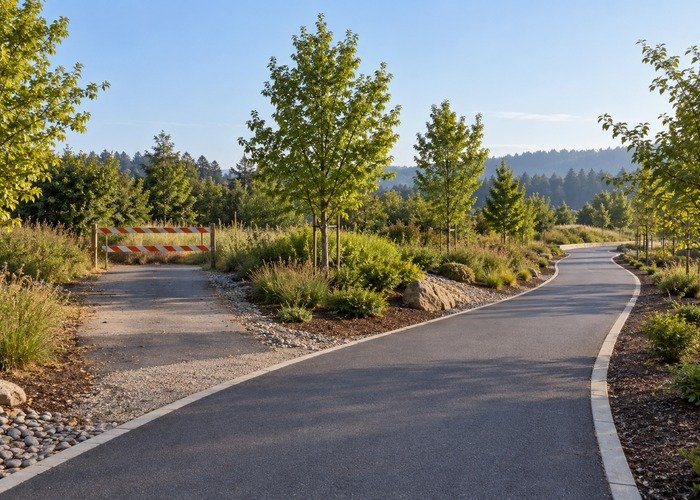
Turn the assessment into a short route instruction: the approved section, any excluded area, the current pickup arrangement, reporting contact and conditions requiring suspension. Drivers should understand where permission ends. Briefing should also explain what to do when a closure forces a change; staff should not invent a shortcut along an unassessed shoulder.
Coordinate this with the route signs and markings register. HSE’s discussion of signs, signals and markings is supporting guidance, while the actual location and message should follow the site’s approved plan and local requirements.
For an illustrative example, imagine a resort replacing a waterfront pickup with an inland waiting area during an edge review. The useful record identifies the closed section, temporary passenger walking route, responsible supervisor and reopening evidence. It does not merely say that drivers were warned. This is a planning example, not a reported MOVIVEX installation or a certified solution.
Keep closure and reopening decisions traceable
Identify triggers for reassessment, such as damage to a protective measure, erosion, nearby excavation or a proposed change in vehicle duty. The site’s competent team should define the appropriate inspection and response arrangements. HSE’s workplace transport checklist offers a broad review aid; completing a checklist alone does not validate a specific exposed edge.
When reopening is considered, preserve the finding, restrictions, responsible approval and date. Confirm dispatch and drivers have received the same current instruction. Keep the issue separate from the surface defect repair workflow where both matters apply: repairing paving does not automatically resolve edge protection.
Frequently asked questions
Does a golf cart need a standard distance from a pond?
This guide supplies no universal setback. Obtain a site-specific decision using ground conditions, route geometry, consequence, protective measures and exact vehicle information. Do not borrow dimensions from another vehicle type or property.
Can driver training replace an edge assessment?
No. Driver briefing communicates the approved plan, but it cannot establish ground stability or the adequacy of a protective system. Resolve the route decision before treating familiarization as sufficient authorization.
What should we send when discussing a fleet order?
Share the intended duties and configuration questions with MOVIVEX through Request a quote. Keep site engineering decisions with the competent assessor, and ask for documentation matching the actual proposed vehicle before concluding suitability.
Explore related MOVIVEX golf carts
Use these existing catalogue vehicles as starting points for a configuration discussion. Confirm the ordered specification and support scope in writing.
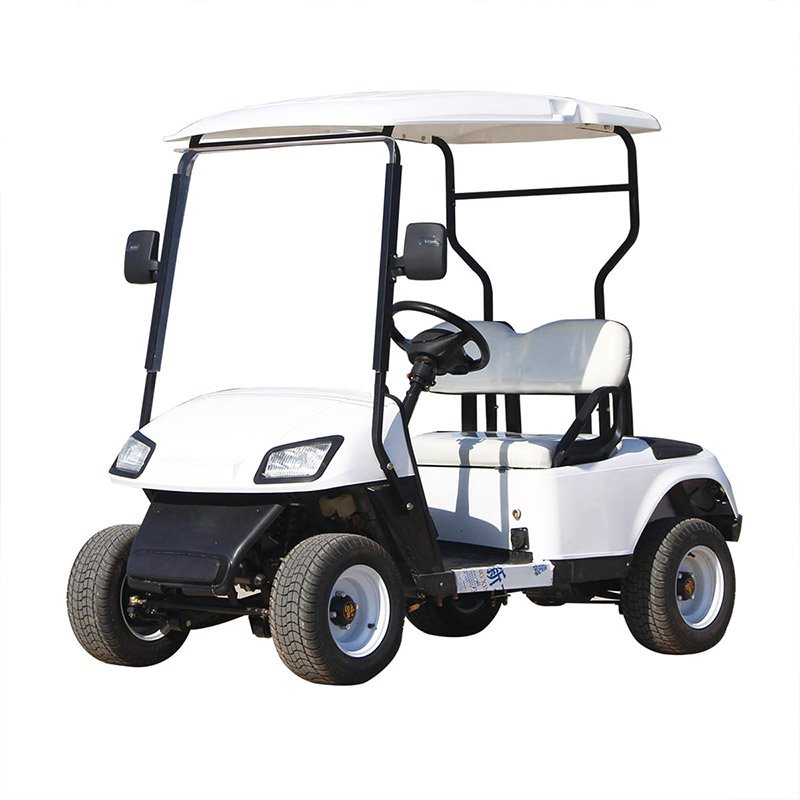
MV-A2 · Catalogue configuration
Carro de golf eléctrico MV-A2
Request documentation for the exact proposed configuration; a vehicle quotation does not establish route or protective-system suitability.
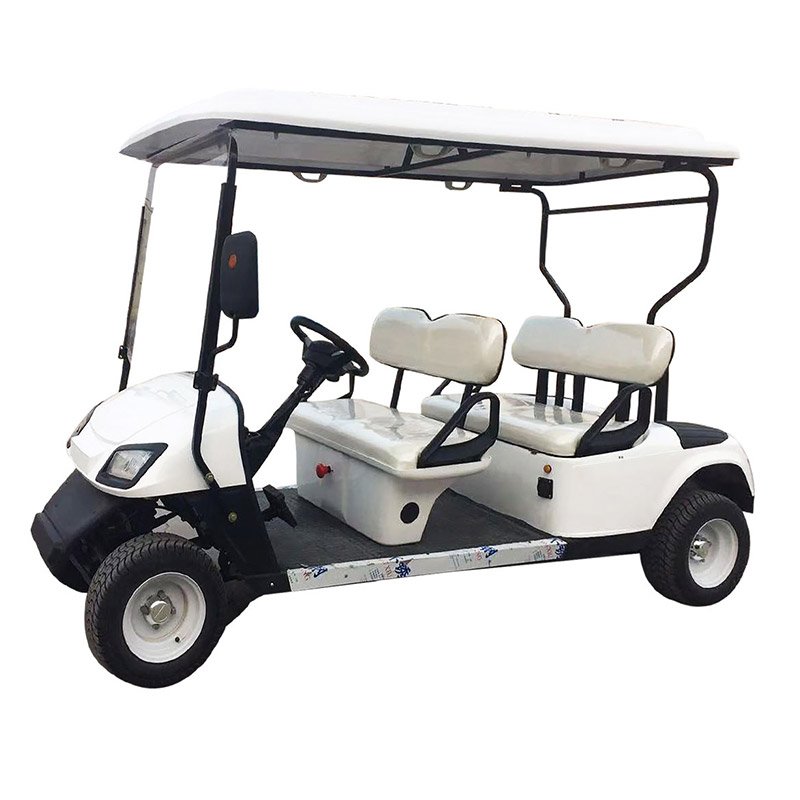
MV-A4 · Catalogue configuration
Carro de golf MV-A4 de 4 plazas
Request documentation for the exact proposed configuration; a vehicle quotation does not establish route or protective-system suitability.
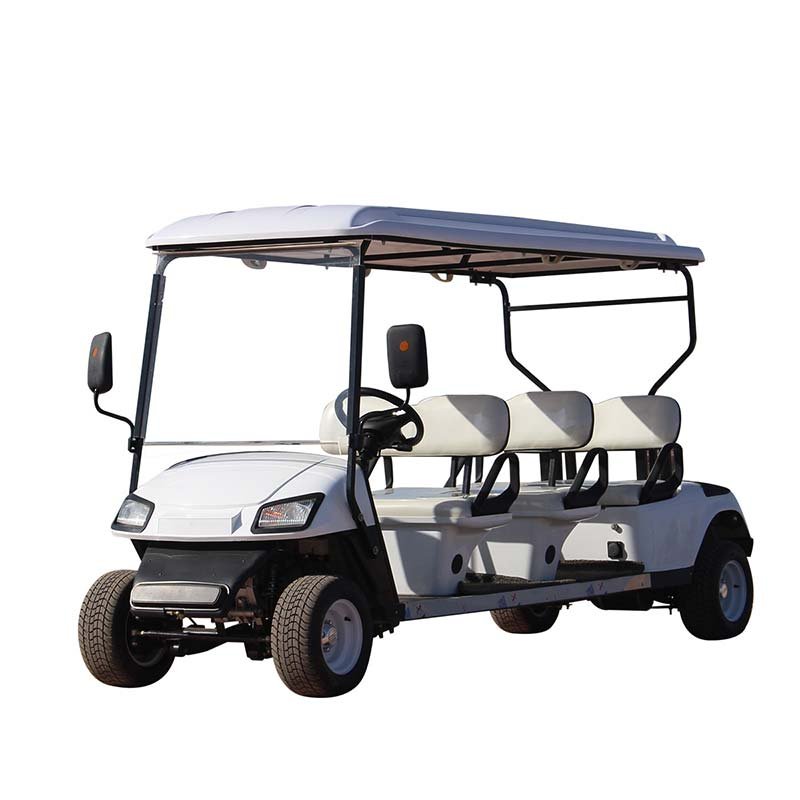
MV-A6 · Catalogue configuration
Carro de golf MV-A6 de 6 plazas
Request documentation for the exact proposed configuration; a vehicle quotation does not establish route or protective-system suitability.
Discuss your fleet requirements
Tell us your passenger needs, quantity, operating location and delivery destination.

