




A golf cart passenger luggage capacity assessment should end with a clear acceptance decision for a specific vehicle configuration, passenger group and baggage arrangement. Start with the supplied load limits and approved storage provision. A seat count, an empty space behind a seat, or a photograph of a rack does not establish permission to carry a particular collection of bags.
For resort arrivals, campus visitors and commercial shuttle contracts, that decision belongs before a promise is made to guests. Record what the cart may carry, what needs separate transport and which unanswered questions prevent assignment. This guide provides a planning worksheet; exact operating instructions and technical limits must come from the applicable vehicle documentation and competent local review.
Separate passenger places from baggage permission
The MOVIVEX seating capacity guide helps buyers discuss passenger layouts. Luggage introduces a different question: can the proposed passengers and their belongings travel together within every applicable limit and without compromising the approved passenger space? Increasing the number of seats does not answer that question.
Identify the actual model, serial or fleet identifiers, battery configuration, accessories and any supplied luggage provision. Ask the supplier which documentation applies to that exact build. Do not use a payload value from another brand, a visually similar cart or an earlier version of the same series.
As a site-specific example, Cedarville University’s cart guidelines distinguish occupant numbers from manufacturer load limits and address properly stored equipment. Their campus rules are not universal law, but the distinction is useful when framing questions for your own operation.

Describe the bags that actually arrive
“Airport luggage” is too broad for a purchasing brief. A team carrying small day bags presents a different service requirement from a family with rigid cases, a stroller and sports equipment. Observe representative arrivals or ask the booking team for the expected baggage mix. Keep personal guest information out of the assessment.
Record item dimensions, typical quantities and the intended destination. Where load information is required, agree an appropriate way to obtain it rather than estimating from appearance. Include accessories and passenger loading in the supplier discussion; do not subtract guessed passenger weights from an unverified headline capacity.
| Assessment field | Question to resolve | Decision record |
|---|---|---|
| Vehicle identity | Which exact configuration is being assessed? | Model and applicable document reference |
| Baggage profile | Which items, dimensions and quantities are expected? | Representative item list |
| Approved storage | Where may each item travel? | Supplier-confirmed arrangement |
| Combined loading | Which passenger, luggage and accessory limits apply together? | Written constraints and unresolved questions |
| Fallback | What happens when the arrangement is unsuitable? | Separate service and responsible contact |
Obtain written answers about storage and restraint
Send the proposed item list to the supplier with the exact vehicle identification. Request confirmation of permitted storage locations, applicable capacity constraints, approved restraint provisions and any restrictions on the intended arrangement. A sales description such as “large rear space” leaves these matters unresolved.
Ask whether the luggage provision shown in a quotation is included in the ordered specification. If a different rack or accessory is proposed later, put it through order configuration change control. Neither a locally fabricated attachment nor a convenient handhold should be treated as an approved anchor.
HSE’s general loading guidance discusses stability, load movement and avoiding overloading. These are useful review themes. The page covers broader workplace transport, however; its truck, trailer and loading-equipment examples do not supply golf cart payload values or a restraint design for your vehicle.
Review passenger-space conflicts before assignment
Have the responsible reviewer consider the approved passenger positions, access, exit, driver visibility and control space alongside the proposed baggage location. A bag that fits geometrically may still interfere with how the vehicle is intended to be used. Do not improvise a passenger arrangement to accommodate an unexpected suitcase.
Discuss the operating environment as part of the review: boarding location, unloading destination, pedestrian movements and who is responsible for the baggage handoff. The resort shuttle planning guide provides the wider route and service context. This worksheet should resolve baggage acceptance within that plan.
Define who can approve the assessed arrangement and who can decline it at dispatch. Staff need a practical instruction when an arriving group differs from the assessed profile. “Ask someone” is incomplete unless the responsible person and the waiting arrangement are identified.

Make the alternative service part of the offer
When suitable baggage carriage has not been confirmed, arrange a separate approved luggage service or another suitable transport option. Do not promise that every party and every bag will travel on one cart. Communicate the alternative early enough for reception and booking staff to describe it accurately.
HSE’s organising guidance provides general context for allocating workplace responsibilities. Apply that idea by naming the booking contact, dispatch decision maker and baggage-service contact. UK legal statements in that guidance require their own jurisdictional context.
An illustrative booking might involve guests arriving with more rigid cases than the agreed profile. The useful response is to hold the assignment, check the documented acceptance rule and arrange the approved alternative. It is not to reinterpret a seat designation as a luggage allowance. This example describes a decision process, not a verified MOVIVEX installation.
Give staff a short, usable acceptance record
Put the approved vehicle identification, baggage profile, storage arrangement, applicable document references and escalation contact on a controlled record. Keep the unresolved version separate from the approved instruction. Link the record to the fleet configuration brief so procurement and operations describe the same service requirement.
Brief the people who receive bookings as well as the drivers. HSE’s communication guidance supports keeping responsibilities and working information clear. Your practical output is a consistent answer when a guest asks whether a particular bag can accompany the passenger group.
Review the acceptance record when the vehicle configuration, supplied storage equipment or recurring baggage mix changes. Also check that the relevant equipment remains within the fleet’s inspection arrangements; HSE’s inspection and maintenance overview is general background on maintaining workplace vehicles, not a model-specific inspection schedule.
Questions to send with a MOVIVEX enquiry
Use the real MOVIVEX catalogue as a starting point for discussing passenger configurations. Provide the intended party size, representative baggage list, operating location and proposed luggage service. Ask for the exact supplied configuration and the documents needed to complete your review.
A helpful quotation response distinguishes included equipment, optional equipment, confirmed limits and matters still awaiting technical confirmation. Keep any unconfirmed luggage duty out of the service promise. The product cards below support an enquiry; their presence does not certify any model for your particular baggage arrangement.
Frequently asked questions
Can unused passenger seats count as luggage storage?
Do not assume they can. Obtain the applicable instructions for the actual configuration and have the proposed arrangement reviewed. An unoccupied seat does not establish approved restraint or storage permission.
Does a larger cart automatically carry more luggage?
No luggage allowance should be inferred from the model name or seat count. Compare the confirmed combined loading constraints and approved storage arrangements for each proposed build.
What if the supplier cannot confirm the intended arrangement?
Keep that duty unapproved and plan an alternative luggage service. Record the unanswered question so booking staff do not convert an assumption into a customer commitment.
Is this worksheet a loading procedure?
No. It helps a fleet buyer gather information and make an assignment decision. Loading, restraint and operation must follow applicable manufacturer instructions and competent site-specific arrangements.
Explore related MOVIVEX golf carts
Use these existing catalogue vehicles as starting points for a configuration discussion. Confirm the ordered specification and support scope in writing.
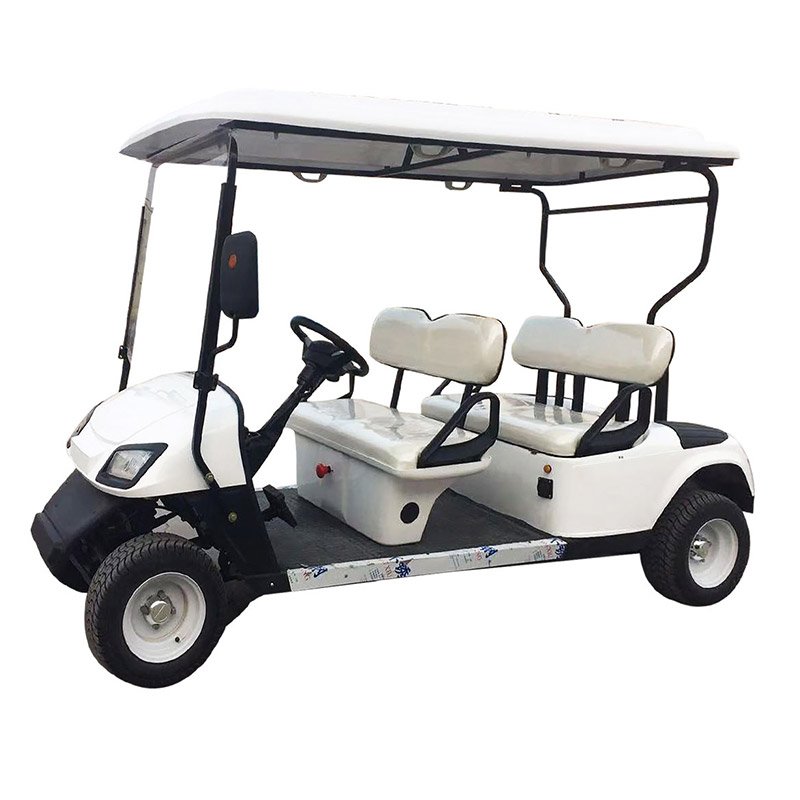
MV-A4 · Catalogue configuration
Carro de golf MV-A4 de 4 plazas
Ask for the exact supplied storage provision and applicable combined loading constraints.
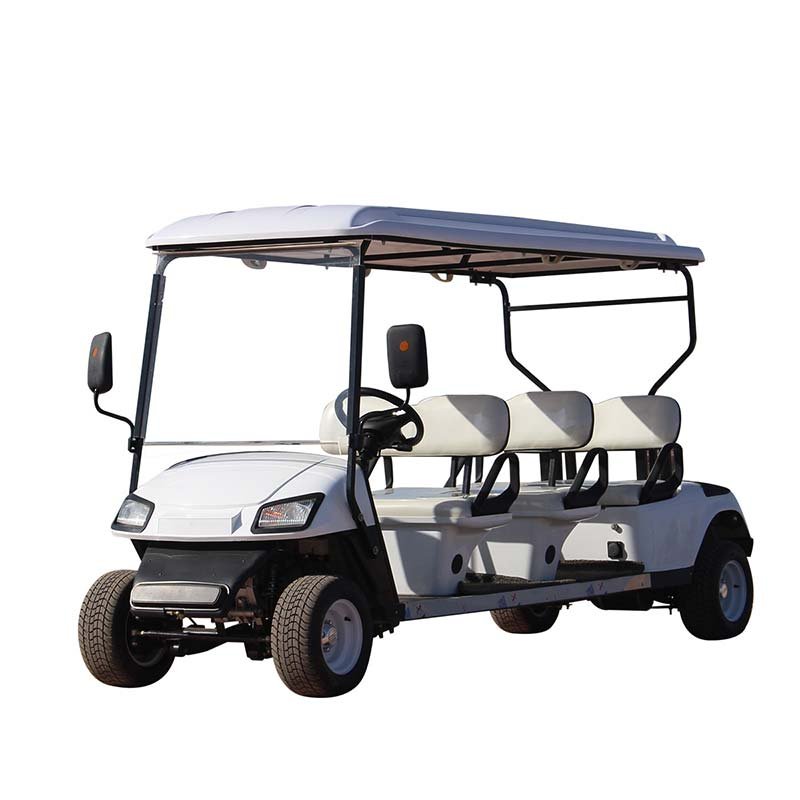
MV-A6 · Catalogue configuration
Carro de golf MV-A6 de 6 plazas
Ask for the exact supplied storage provision and applicable combined loading constraints.
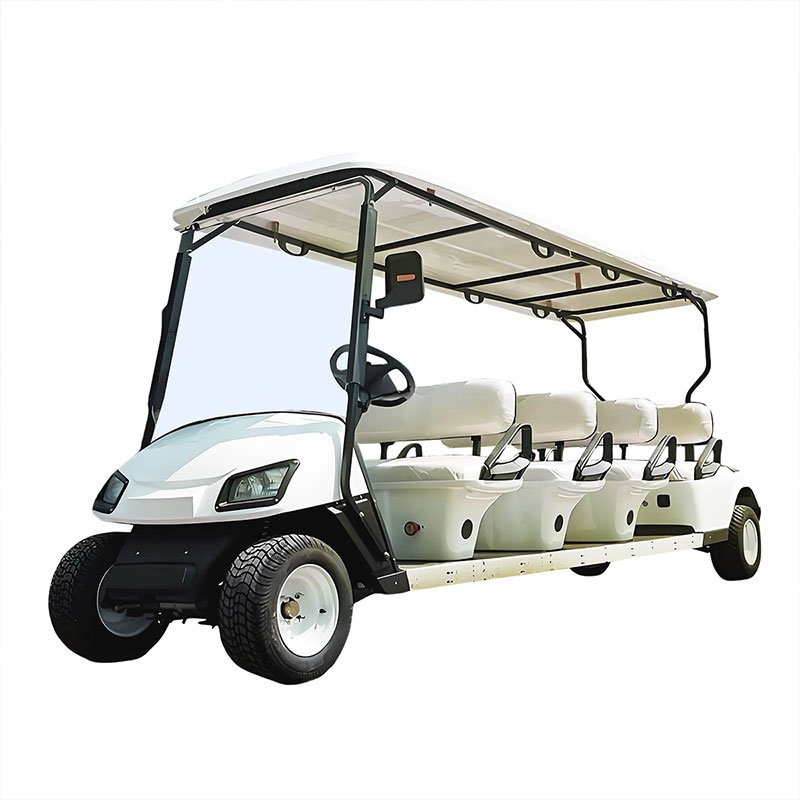
MV-A8 · Catalogue configuration
Carro de golf MV-A8 de 8 plazas
Ask for the exact supplied storage provision and applicable combined loading constraints.
Discuss your fleet requirements
Tell us your passenger needs, quantity, operating location and delivery destination.