




Choosing golf cart tires for a commercial fleet starts with confirming the approved tire and wheel specification for the exact vehicle. Record what is fitted, identify the proposed replacement and ask the responsible supplier or manufacturer to confirm compatibility before ordering. Route surfaces matter, but a tread photograph or a familiar tire size is not enough to establish an approved fitment.
Use this purchasing checklist to produce a documented replacement decision. It does not prescribe tire pressures, dimensions, vehicle modifications or installation procedures. The applicable vehicle and tire instructions control those details. For the wider inventory discussion, see the fleet spare-parts planning guide.
Identify the vehicle before comparing tires
Begin with the fleet identifier, model and ordered configuration. Connect the vehicle to its supplied documentation and any approved changes already recorded. Two carts bearing the same series name may have different ordered equipment, so a replacement selected for one unit should not automatically become the purchasing standard for every similar-looking vehicle.
Obtain the documented tire and wheel specification from an appropriate source. Record the document reference and the exact component description. Where the fitted equipment differs from the records, ask the responsible technical contact to resolve the difference before treating either as the correct replacement requirement.
Michelin’s guidance on changing tire sizes illustrates the importance of the vehicle manufacturer’s specification in its own automotive context. It does not approve a golf cart replacement or transfer a Michelin specification to MOVIVEX. The relevant question is which written specification applies to your actual unit.

Record tire and wheel information separately
Keep separate fields for the tire and wheel rather than relying on one informal description such as standard turf wheel. Ask for the relevant size, construction, rating and wheel compatibility information in the applicable documentation. Retain the supplier’s exact component identifiers so a later order can be checked against the approved item.
A sidewall photograph may help identify the fitted tire, but it is not an approval record. Make the image traceable to the vehicle and observation date, and ask a qualified contact to interpret uncertain markings. Do not guess a missing rating or use a partial photograph as the basis for substituting another component.
Include any conditions attached to the approval. A proposed change may require review of more than the tire itself. Ask the vehicle manufacturer or authorized technical contact what must be confirmed, without assuming that a matching nominal size proves the complete assembly is suitable.
Compare ratings without turning them into vehicle promises
Request the proposed tire’s documented ratings and compare them through the appropriate technical review. Keep the source of each figure visible. A rating associated with one tire model should not be assigned to another simply because both products look similar in a catalogue.
Michelin’s load and speed rating explanation provides manufacturer context for those markings. Use the applicable documentation for the actual golf cart components. A tire rating is not a new passenger capacity, route permission or speed authorization for the vehicle.
Do not use this comparison to set operating pressure. Obtain the applicable instructions for the exact approved configuration and have the relevant qualified person resolve any uncertainty. A general article or a number visible on another tire cannot replace that confirmation.
| Approval field | Evidence requested | Purchasing decision |
|---|---|---|
| Vehicle identity | Fleet identifier and ordered configuration | Which units the decision covers |
| Current specification | Applicable vehicle document and component references | What requirement is being replaced |
| Proposed tire and wheel | Exact supplier identifiers and documentation | Which items the offer includes |
| Compatibility | Written response from the responsible technical contact | Whether the proposed fitment is approved |
| Scope and follow-up | Installation responsibility and required records | What must happen before release |
This is an illustrative procurement record, not a technical fitment standard. Add the evidence requested by the responsible reviewer. Keep unanswered questions open rather than entering a convenient assumed value to complete the comparison.
Describe the route without claiming universal traction
Tell the supplier about the intended surfaces, duty and relevant site constraints. Distinguish confirmed operating requirements from conditions the vehicle is not approved to encounter. Terms such as turf or all-terrain should not replace a clear description of the actual assignment.
Ask how the proposed component relates to the approved vehicle configuration and intended use. Avoid declaring that a more aggressive tread will automatically solve a route problem or that a smoother tread guarantees less surface impact. Those outcomes depend on the actual equipment and conditions and require appropriate evidence.
Where the issue is the suitability of the route itself, keep it with the route acceptance review. A component purchase should not become an informal way to authorize operation on an unreviewed surface or to conceal an unresolved operating concern.

Make substitution control part of the purchase order
State the approved component references in the order and identify who may accept a proposed substitute. If availability changes, require a new documented review instead of allowing an apparently similar product to arrive without approval. Preserve the previous decision so the change remains understandable.
The NIST supply-chain resource provides general supplier-management context. For this purchase, the practical output is traceability between the approved specification, the quoted item and the received component. It does not establish compatibility or a supplier performance guarantee.
Keep the commercial scope explicit: which components are included, who is responsible for installation and which documents accompany the supply. Use the quotation comparison guide for broader offer questions without assuming that every installation or service cost is included.
Related video: understanding tire markings
This Michelin overview explains tire markings in its own product context. Use it to understand documentation questions; it does not approve a tire or wheel for a MOVIVEX configuration or establish a golf cart pressure or operating limit.
Third-party educational video by Michelin. Watch on YouTube
Keep installation and vehicle release with authorized people
This article does not provide tire mounting, wheel installation or inspection procedures. Assign the work and relevant checks through the applicable qualified process. The buyer should know which records demonstrate that the approved components were supplied and the required work completed.
The UK HSE inspection guidance provides general workplace context for identifying and addressing vehicle concerns. Use the actual vehicle instructions and local requirements for the relevant checks. Do not transfer procedures for another vehicle category to a golf cart.
Update the component and service records after the approved change. Fleetio’s reporting overview provides administrative context for connecting vehicle, parts and service information. A simpler linked register can retain the same purchasing and maintenance references.
Prepare a useful MOVIVEX enquiry
Review the MOVIVEX catalogue to identify the configuration under discussion, then provide the exact vehicle and component information available. Product thumbnails do not establish tire size, pressure, load rating or approval for a replacement assembly.
Put the confirmed duty and documentation questions in your fleet planning brief. When you request a quotation, ask for the supplied specification and the appropriate route for approving any replacement or substitution.
Frequently asked questions
Is matching the visible tire size sufficient?
No. Confirm the complete applicable tire and wheel specification and obtain the appropriate compatibility approval for the exact vehicle configuration.
Does a tire rating increase vehicle capacity?
No. A component rating does not replace the vehicle’s documented operating limits or authorize a different passenger assignment.
Can purchasing accept an equivalent substitute?
Use the agreed approval process. Similar appearance or an informal equivalent label does not establish that a replacement is approved.
What should be retained after replacement?
Keep the approved references, supply evidence, installation and required check records, linked to the vehicle and service history.
Explore related MOVIVEX golf carts
Use these existing catalogue vehicles as starting points for a configuration discussion. Confirm the ordered specification and support scope in writing.
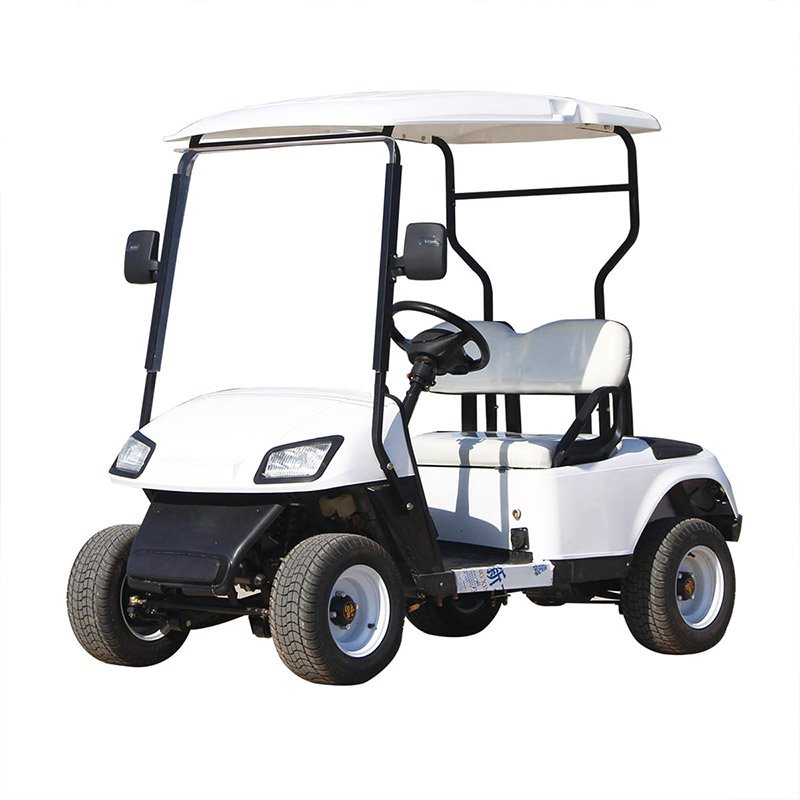
MV-A2 · Catalogue configuration
Carro de golf eléctrico MV-A2
Ask for the exact supplied tire and wheel specification and replacement approval route.
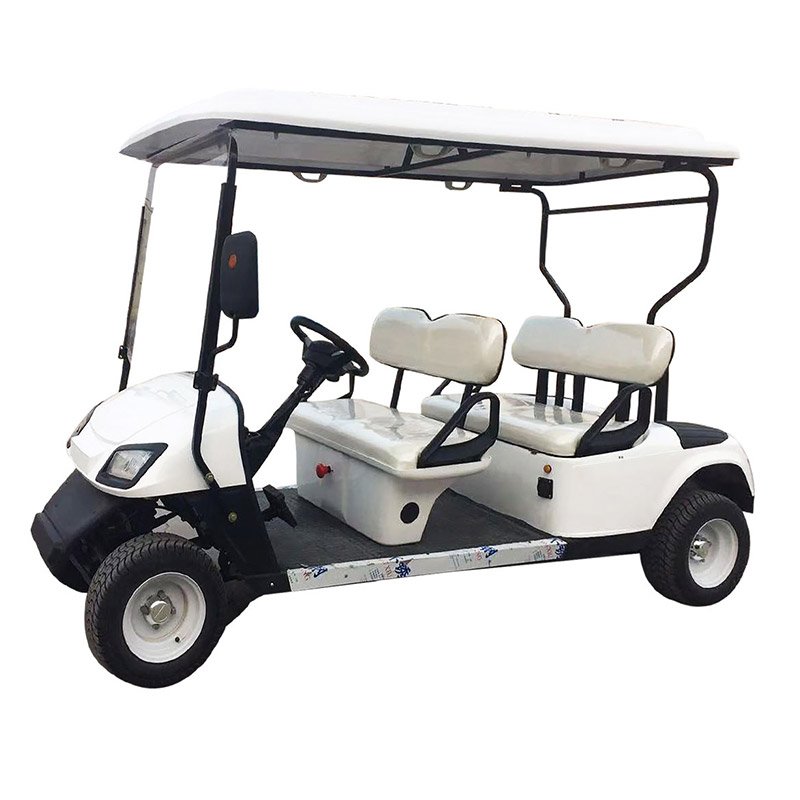
MV-A4 · Catalogue configuration
Carro de golf MV-A4 de 4 plazas
Ask for the exact supplied tire and wheel specification and replacement approval route.
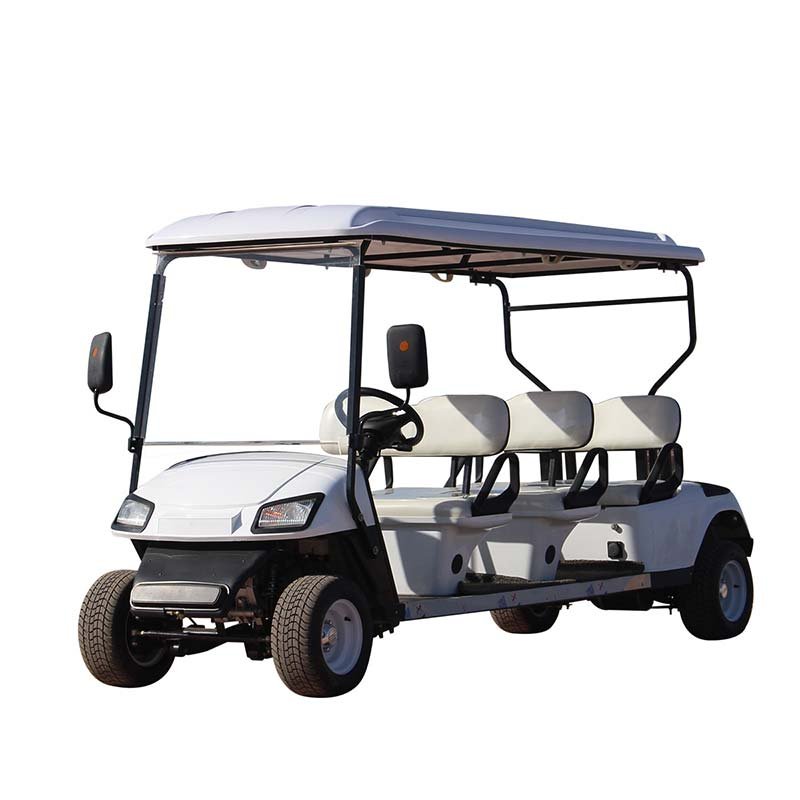
MV-A6 · Catalogue configuration
Carro de golf MV-A6 de 6 plazas
Ask for the exact supplied tire and wheel specification and replacement approval route.
Discuss your fleet requirements
Tell us your passenger needs, quantity, operating location and delivery destination.