




Before a first golf cart fleet order, separate the vehicle proposal from the identity of the organization making it. Verify the contracting party using appropriate independent sources, connect the commercial documents to that party and investigate inconsistencies before commitment. A detailed product quotation is useful, but it does not by itself establish who will supply the goods or receive a payment.
This is a purchasing workflow, not a completed investigation of MOVIVEX or any other company. It does not certify a supplier, provide a credit rating or determine legal requirements for a transaction. Use qualified professional and financial advice where the actual circumstances require it.
Write down the counterparty you intend to assess
Record the legal name supplied for the contracting entity, the commercial name used in communications and the contact responsible for the offer. Keep the source of each item. A brand name, website domain and registered company name may differ, so ask how they relate rather than assuming they are interchangeable.
Use appropriate official records or a qualified independent service to review the identity in the relevant jurisdiction. Document what was checked, when and by whom. A copy supplied by the seller can support the enquiry, but it should not be mislabeled as independent verification.
Where names appear in different languages or shortened forms, retain the original references and ask how they correspond. An illustrative review file might contain the supplied trading name, the contracting name and the independent record used to compare them. These are evidence fields, not a conclusion that similarly named entities are the same business. Refer an uncertain match to the appropriate reviewer rather than resolving it by appearance.
The International Trade Administration’s due-diligence resource provides US exporter-oriented context for evaluating markets and counterparties. Its principles help frame questions here; its services, legal scope and eligibility are not automatically applicable to every overseas buyer.

Compare the parties named in the transaction documents
Connect the offer, proposed contract, invoice and payment instructions to the intended counterparty. If the names differ, ask for a clear documented explanation and refer it through the buyer’s approved review process. Do not resolve a mismatch by guessing that all companies associated with a brand have the same role.
Record which organization is responsible for the goods, documentation and agreed support. Distinguish a manufacturer, exporter, distributor or other intermediary where relevant. The role matters to the purchasing discussion even when several parties participate legitimately in one transaction.
The ITA pro forma invoice guidance provides general context for documenting a proposed transaction. It does not prove the issuer’s identity or establish that all terms have been agreed. Keep the identity review and offer review linked but identifiable as separate tasks.
Check the source and limits of capability evidence
Ask what evidence supports the capability relevant to the actual order. A factory image, presentation or sample can be useful discussion material, but it does not automatically demonstrate ownership of a facility, production capacity or the ability to supply the exact configuration on the proposed schedule.
Keep a distinction between a supplier statement, an independently checked fact and an unresolved question. Record the scope of any site visit, reference enquiry or third-party review. Evidence from one date or product should not be stretched into a guarantee about every future fleet order.
The NIST supply-chain resource provides broader supplier-management context. For this review, the useful output is a clear evidence record and the questions still open. It does not establish that an individual golf cart supplier has passed a particular evaluation.
| Review item | Evidence and source | Open decision |
|---|---|---|
| Counterparty identity | Relevant independent record and supplied information | Whether the intended entity is clearly identified |
| Commercial roles | Contracting, supply and support responsibilities | Whether the parties’ roles are understood |
| Document consistency | Offer and payment-document references | Whether any mismatch needs escalation |
| Capability | Evidence scope, date and source | Which order requirements remain unconfirmed |
| Approval | Responsible reviewer and unresolved conditions | Whether the buyer is ready to proceed |
This is an illustrative review record. It is not a legal compliance checklist or a supplier certificate. Add the requirements established by the buyer’s professional review and preserve the limits of each evidence source.
Use independent reports with a clear understanding of scope
If an independent report is appropriate, ask what entity it covers, which sources were used and which questions it does not answer. A report may address public identity information without confirming the specific technical capability required for the order. Keep its date and scope visible.
The ITA background-check guidance explains the distinction between preliminary checks and more detailed background work. This article does not imply that a report has been obtained for a named supplier or that a general online check resolves every transaction question.
Review references through the buyer’s appropriate process and with permission where necessary. Avoid publishing private customer details or treating an unconfirmed introduction as an independently checked reference. Record what the reference actually addresses instead of converting a general positive comment into a performance guarantee.

Escalate unexpected payment or identity changes
Use the buyer’s established verification and approval process when a counterparty name, account instruction or contact unexpectedly changes. Keep the original documents and the reported change together. Do not let urgency in a message substitute for the required internal review.
The archived CISA phishing-awareness guidance provides background context for recognizing deceptive messages; it is not presented as a current policy or program statement. It is not a transaction-specific finding or a guarantee that following a checklist prevents every loss. Obtain appropriate advice for the actual payment arrangement and jurisdiction.
Retain the decision owner and supporting references when a discrepancy is resolved. If it remains unresolved, record the condition clearly and follow the buyer’s process before making a commitment. An unexplained mismatch should not disappear merely because the product specification is attractive.
Related video: due diligence on markets and partners
This International Trade Administration video discusses markets and partners from a US exporter perspective. Use it as due-diligence context; its services and legal scope are not automatically applicable to every overseas golf cart buyer.
Third-party educational video by International Trade Administration. Watch on YouTube
Keep identity review separate from vehicle review
A counterparty review does not establish that a vehicle meets the buyer’s requirements. Continue the quotation comparison, exact configuration confirmation and applicable technical assessment. The evidence for identity and the evidence for product suitability answer different questions.
Use the configuration brief to define the ordered requirement and the delivery handover checklist to plan receiving evidence. Neither document should be described as a replacement for counterparty verification.
Keep the applicable warranty questions tied to the party and policy actually offered. A verified business identity does not automatically establish coverage duration, local service availability or a particular claim remedy.
Prepare a focused first enquiry
When reviewing MOVIVEX catalogue configurations, identify the products and documents you want to discuss. Ask who would contract, supply and support the proposed order. This article does not claim that those details have already been independently verified for the reader.
Include the intended duty, quantity and destination in your fleet planning brief. When you request a quotation, distinguish the product questions from the identity and commercial-document questions your review must resolve.
Frequently asked questions
Does a professional website prove the contracting entity?
No. Connect the supplied identity information to appropriate independent records and the actual transaction documents.
Does due diligence approve the vehicle configuration?
No. Continue the separate technical and commercial review for the exact order.
Are all background reports equivalent?
No. Review the covered entity, sources, date, eligibility and limitations before relying on a report for a decision.
What should be retained before approval?
Keep the evidence sources, document comparisons, resolved explanations and any remaining conditions with the responsible reviewer’s decision.
Explore related MOVIVEX golf carts
Use these existing catalogue vehicles as starting points for a configuration discussion. Confirm the ordered specification and support scope in writing.
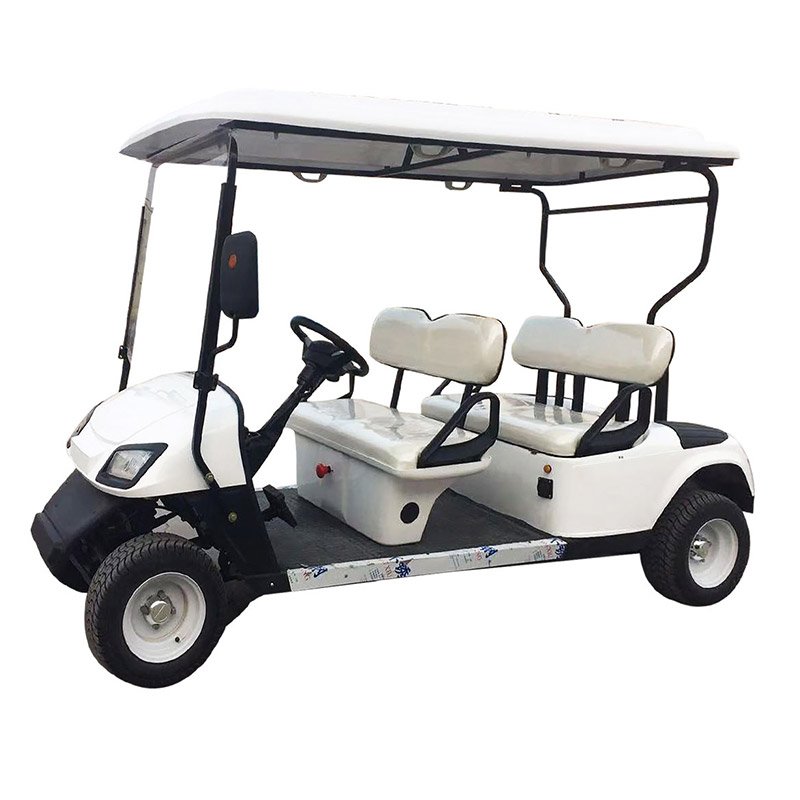
MV-A4 · Catalogue configuration
Carrinho de golfe MV-A4 de 4 lugares
Request the product and transaction information relevant to your first-order review.

MV-A6 · Catalogue configuration
Carrinho de golfe MV-A6 de 6 lugares
Request the product and transaction information relevant to your first-order review.

MV-A8 · Catalogue configuration
Carrinho de golfe MV-A8 de 8 lugares
Request the product and transaction information relevant to your first-order review.
Discuss your fleet requirements
Tell us your passenger needs, quantity, operating location and delivery destination.

