




A golf cart shuttle lightning plan should say who monitors the weather, when outdoor service is suspended, where people can reach appropriate shelter and who authorizes a later restart. Plan these decisions before a storm threatens. An open-sided golf cart is not a lightning-safe shelter, even when it has a roof.
For resorts, campuses and golf courses, the operational problem is larger than parking the fleet. Passengers may be waiting at separate stops, reception may still be accepting requests and drivers may receive conflicting messages. A written plan should connect those people to the property’s emergency arrangements and current guidance from the responsible local weather authority.
Prepare the decision before the service starts
The US National Weather Service guidance for organized outdoor activities recommends a lightning safety plan addressing suspension, shelter, resumption and monitoring responsibility. Use that framework as an authoritative planning reference, while confirming the arrangements appropriate to your location and operation.
Identify the person monitoring conditions and a backup. Give that role clear authority to implement the approved plan without negotiating each interruption with every booking desk. Monitoring should not be treated as a spare task that someone will remember while managing a busy passenger queue.
Connect the weather decision to the resort shuttle service plan. The operating team should know what changes for requests, waiting passengers and scheduled movements when service is suspended. A reassuring message about a vehicle’s canopy must never replace the lightning instruction.
Identify real shelter rather than convenient cover
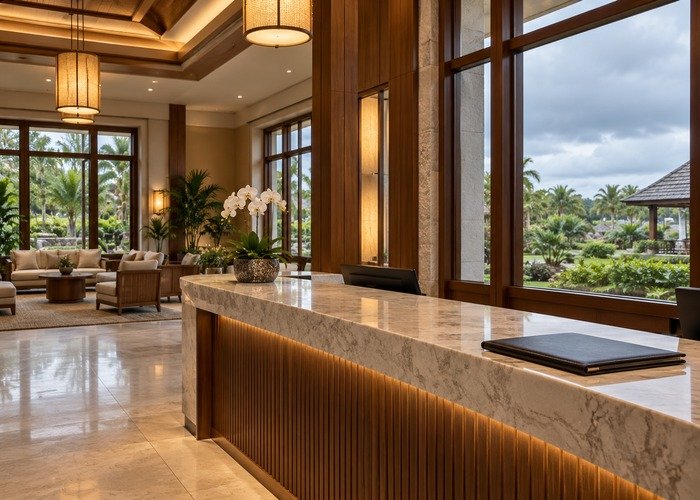
Confirm suitable shelter locations with the responsible site team and make their names understandable to staff. Check access arrangements, opening hours and how the expected people can reach them under the plan. Do not assume a locked building or a distant reception desk solves the needs of every stop.
NWS lightning safety tips say that hearing thunder means lightning is close enough to strike and that people should immediately move to safe shelter. The guidance identifies a substantial building or an enclosed metal-topped vehicle with windows up. An open golf cart does not meet that vehicle description.
Open-sided shelters, a cart canopy and other rain cover should not be labelled lightning shelters. Verify the actual locations against applicable official advice. Where the service cannot provide an appropriate shelter arrangement, resolve that limitation before accepting an outdoor operating commitment in threatening conditions.
Allow time to implement the plan
Review forecasts before the operating period and monitor developing conditions using the agreed sources. The plan should account for the time needed to suspend activities and get people to appropriate shelter. Do not wait for rain to begin or for a delayed message from a central office when thunder is heard.
NWS outdoor lightning guidance emphasizes planning ahead and allowing additional time for groups to reach safety. Use that principle to examine the whole service footprint. This is not permission to send an open cart into an active thunderstorm to collect people.
Record how staff should handle an interrupted assignment under the site’s approved emergency plan. That plan needs to cover uncertainty and assistance requests without encouraging improvised exposure. This article does not prescribe an emergency driving manoeuvre, rescue operation or technical storm-distance threshold.
| Plan item | Question to resolve before service | Record owner |
|---|---|---|
| Monitoring | Who follows current conditions and acts on the approved triggers? | Named role and backup |
| Shelter | Which actual locations are suitable and accessible? | Site emergency-plan owner |
| Suspension | Who stops new assignments and informs affected teams? | Dispatch and operating lead |
| Waiting passengers | How are people informed without being directed to unsafe cover? | Stop and reception contacts |
| Restart | Who reviews the weather and other operating conditions? | Authorized restart role |
Use one suspension message across the property
Agree a short message that identifies the suspension, the service affected and the approved next information point. Reception, event staff and drivers should receive consistent instructions. Avoid promising a restart time that the weather and the responsible review have not established.
HSE’s workplace communication guidance provides general context for clear responsibilities and working information. Apply that principle to the message route. The source is UK workplace guidance, not a local weather warning service or a golf cart lightning certification.
Keep the dispatch communication protocol aligned with the suspension. A previously accepted pickup request should not remain silently active after the service changes. Staff also need a way to identify requests that require follow-up once the interruption is resolved.
Keep restart separate from a gap in rainfall
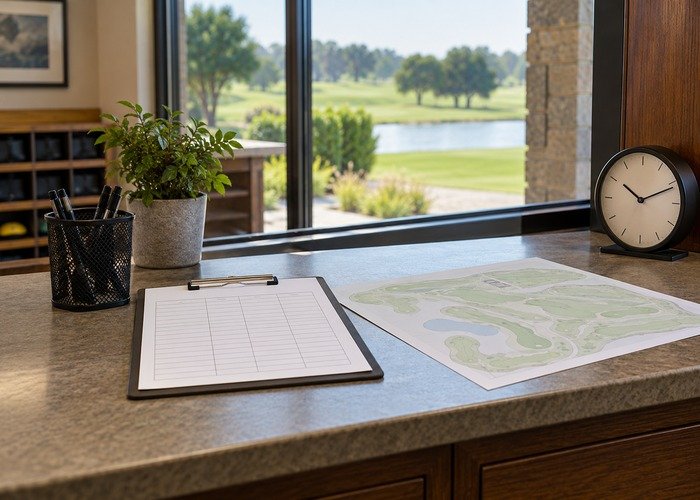
NWS advises waiting at least 30 minutes after the last thunder before resuming outdoor activities. If thunder is heard again, that waiting period is measured from the new last thunder. Record the relevant observation and apply the site’s approved plan and responsible local authority guidance.
The waiting period is not a guarantee that every part of the shuttle operation is ready. Water, debris, damaged infrastructure or other conditions may still prevent service. Keep any affected route or vehicle unavailable until the appropriate checks and decisions have been completed.
Use the route review framework for the wider operating assessment and the service record for reported vehicle issues. A weather restart decision should not override an unrelated vehicle hold or site restriction.
Rehearse the communication while conditions are safe
Run a desk exercise with the people who monitor conditions, dispatch vehicles and answer guest questions. Ask what happens if the usual shelter is unavailable, the monitoring role changes shifts or a passenger request arrives after suspension. Resolve the gaps without exposing anyone to a real storm for training.
HSE’s organising guidance gives general background on allocating responsibilities. In this plan, assign ownership of shelter information, working copies and revisions. Do not rely on an informal understanding held by only one long-serving employee.
Brief staff on how to activate the site’s emergency response if someone may have been struck by lightning. Obtain current emergency contact and training arrangements locally. This planning article does not replace emergency services, first-aid training or the property’s incident response procedure.
State the service limits in the fleet discussion
When discussing MOVIVEX vehicles through fleet planning, describe the intended outdoor duty and the site’s weather-related service limits. Discuss applicable vehicle operating documentation separately from the shelter and emergency plan. No catalogue model or passenger canopy should be presented as a substitute for a suitable lightning shelter.
The real products below are starting points for an ordinary fleet configuration enquiry. Their inclusion does not establish lightning protection, permission to operate during a thunderstorm or a weather-resistant enclosure rating. Confirm actual supplied equipment and its documented limitations in writing.
Frequently asked questions
Does a roof make an open golf cart lightning-safe?
No. A canopy provides no basis for treating an open cart as safe lightning shelter. Use appropriate shelter identified in the approved plan and official guidance.
Can service restart as soon as rain stops?
No. Follow the lightning restart guidance and authorized site decision, and review other hazards. A pause in rainfall does not establish that the lightning threat has ended.
Should drivers finish an outdoor assignment before suspension?
Do not make completing a booking the priority over reaching safety. The site plan must define prompt action and communication before service begins.
Does this article provide a complete emergency plan?
No. It identifies planning decisions and authoritative references. Actual shelter access, emergency assistance and operating arrangements need site-specific professional review.
Related video: official lightning safety awareness
This National Weather Service awareness message reinforces the need to move to appropriate shelter when lightning threatens. Use the current official written guidance and your site emergency plan for the actual operating decisions; an open golf cart is not a lightning-safe shelter.
Third-party educational video by National Weather Service (NWS). Watch on YouTube
Explore related MOVIVEX golf carts
Use these existing catalogue vehicles as starting points for a configuration discussion. Confirm the ordered specification and support scope in writing.
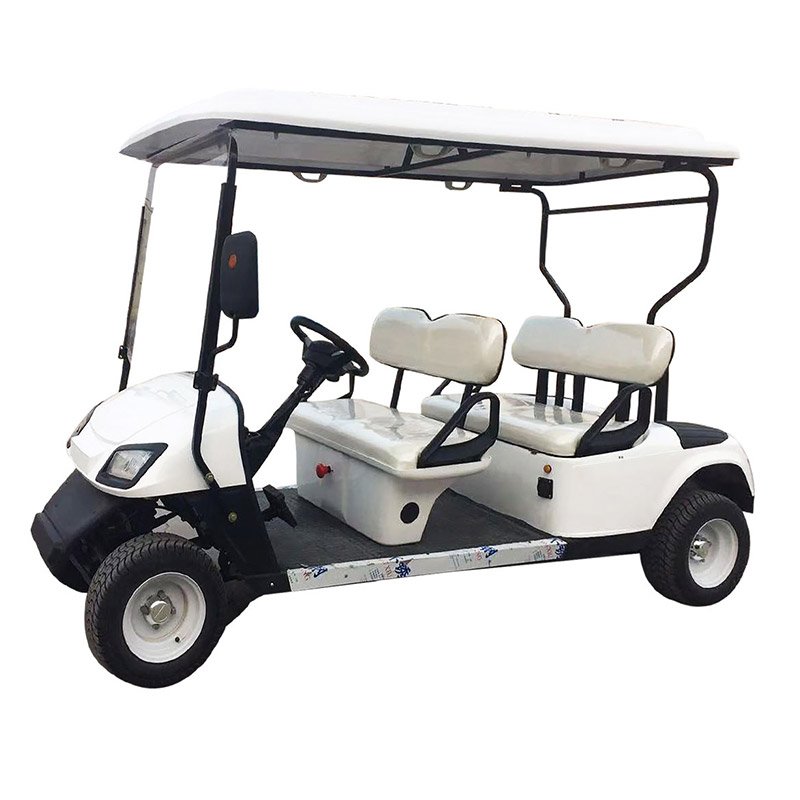
MV-A4 · Catalogue configuration
Carrinho de golfe MV-A4 de 4 lugares
Discuss ordinary fleet configuration and its documented limits; a canopy is not lightning shelter.
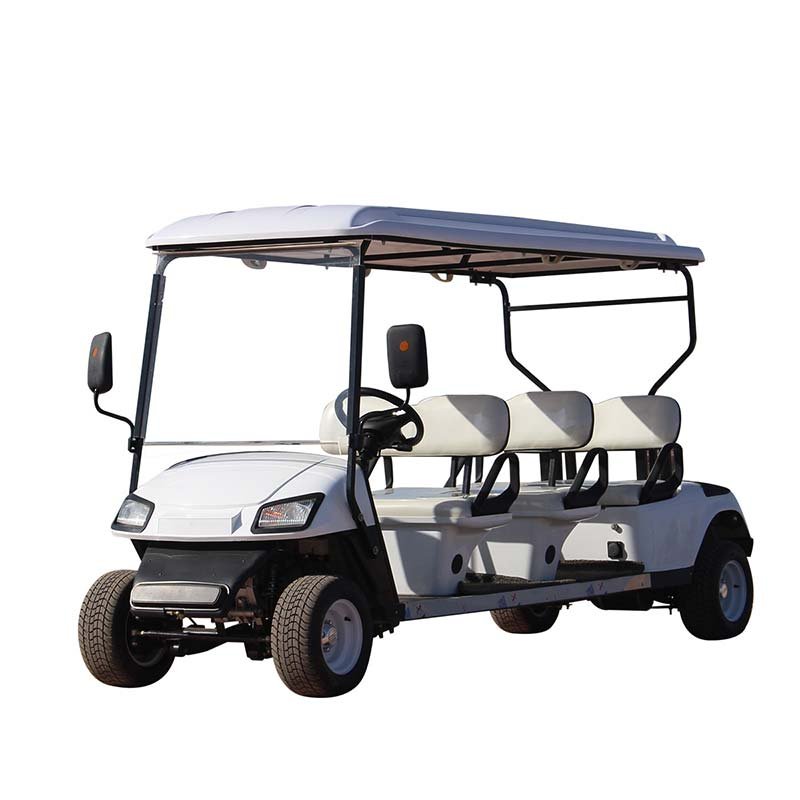
MV-A6 · Catalogue configuration
Carrinho de golfe MV-A6 de 6 lugares
Discuss ordinary fleet configuration and its documented limits; a canopy is not lightning shelter.
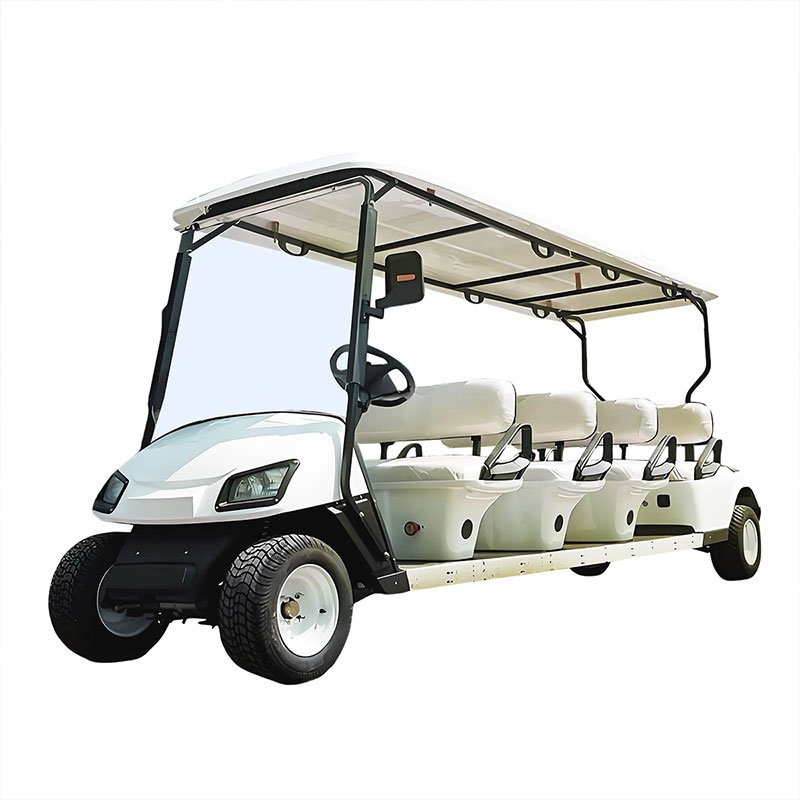
MV-A8 · Catalogue configuration
Carrinho de golfe MV-A8 de 8 lugares
Discuss ordinary fleet configuration and its documented limits; a canopy is not lightning shelter.
Discuss your fleet requirements
Tell us your passenger needs, quantity, operating location and delivery destination.

