




A golf cart shuttle driver fatigue roster review looks at the work people actually perform, not just the trips shown on a timetable. Include preparation, waiting, additional duties, overtime and late finishes. Identify where recovery opportunities are lost, discuss the pattern with staff and have responsible managers assess changes before they become the normal operating arrangement.
This is an operational planning guide for private-site fleet teams. It does not diagnose fatigue, certify fitness for duty or prescribe universal shift lengths. Applicable working-time rules, occupational health advice and competent local assessment remain necessary. A driver’s willingness to cover an extra trip does not by itself establish that the proposed duty is appropriate.
Start with the complete duty rather than driving time alone
Map the period from reporting for work to completing the final task. A driver may collect a vehicle, complete approved checks, move between pickup points, help with a defined reception task and return equipment after service ends. Those activities can disappear when a supervisor reviews only passenger departure times.
The UK HSE’s fatigue guidance treats fatigue as a risk influenced by working patterns and demands. Use that principle to examine the roster. This article does not adopt its historic statistics or apply UK working-time legislation to every destination.
Keep this review distinct from the shift handover record. Handover transfers the current operating information; roster assessment examines whether the sequence and resources behind those shifts need to change. Both records matter, but neither replaces the other.
Compare planned hours with actual work
Review actual start and finish information, approved overtime and shift exchanges. Record the source and period covered rather than presenting an incomplete schedule as a reliable history. Include relevant duties undertaken for the same employer outside the shuttle allocation, while handling personal information through appropriate private processes.
A recurring late return can indicate a mismatch between the published service and the time needed to finish work. Ask whether vehicle return, closing administration or waiting for a relief worker has been omitted. The aim is to understand the pattern, not to infer a medical condition from a time entry.
Use the dispatch protocol to capture approved changes consistently. If a supervisor adds a duty informally, the roster owner needs a reliable way to learn about it. Otherwise the planning record can look balanced while the actual workload is different.

Review patterns and available recovery with staff
Discuss the sequence of duties, workload, timing and practical opportunities for recovery. A quiet passenger period may still require the driver to remain responsible for the service. Do not label every gap between trips as a break without confirming what the worker must do during it.
HSE’s managing shift work guidance provides a broader reference for systematic review. Have competent advisers determine which recommendations and local requirements apply. A published example is not a ready-made roster for every resort, campus or golf operation.
Ask staff about recurring obstacles to the planned arrangement, such as an unavailable relief worker or a last-minute event extension. Separate an observed operational issue from an individual health concern. Appropriate health information should go to the relevant professional rather than into a general driver discussion sheet.
Keep a decision register for proposed roster changes
Record the proposed change, affected duties and evidence the responsible reviewer needs. Distinguish a request from an approved arrangement. An event booking or a driver’s agreement to swap should not silently become authorization for a different working pattern.
| Review item | Question to resolve | Decision evidence |
|---|---|---|
| Actual duty | What work occurs before and after the trips? | Dated work-pattern record |
| Recovery opportunity | Can the planned break actually be taken? | Relief and coverage arrangement |
| Proposed change | Which workers and duties are affected? | Specific proposal reference |
| Approval | Who assesses the change and unresolved risks? | Responsible review outcome |
| Follow-up | Does actual operation match the revised plan? | Review date and action owner |
This is an illustrative planning record, not a fatigue score or a legal hours calculator. A completed row should point to the assessment and decision, rather than suggest that a spreadsheet can establish an individual’s fitness to drive.
Provide a clear response to a fatigue concern
Explain how a worker reports a concern, who receives it and how the responsible supervisor manages the immediate allocation. Do not require the driver to prove a diagnosis or find a replacement before raising the issue. Define the response with appropriate safety and employment advice.
The U.S. NIOSH driver fatigue information discusses fatigue as a workplace driving risk. Use it as general context, not as a source of golf cart performance values or a self-clearance test. This guide provides no advice to use stimulants or other quick fixes to continue a duty.
Connect any operational restriction to the assignment process. If another driver takes over, confirm that person’s authorization and the vehicle’s status independently. The driver authorization register remains relevant even when a replacement is urgently needed.

Resolve resource problems instead of normalizing extensions
Consider an illustrative evening event that repeatedly finishes later than the booked shuttle window. The review should examine the service promise, available staffing and completion tasks. Asking the same driver to stay whenever the event overruns can conceal a structural planning problem.
HSE’s worker involvement guidance supports gathering information from affected staff. Invite practical alternatives, retain unresolved questions and explain the management decision. Consultation supplies evidence; it does not transfer responsibility for the roster to the workers who raised concerns.
Keep weather-specific controls in the hot-weather work plan. A suitable heat arrangement does not establish that the wider sequence of duties is appropriate, and a roster review does not replace the separate environmental assessment.
Explain the revised arrangement before it starts
Give drivers, dispatch and any contracted operator the same approved information. Identify when the change takes effect, who coordinates relief and how staff report a difference between the plan and actual work. Retire superseded schedules through the normal document process.
HSE’s driver instruction guidance provides general workplace context for checking understanding. A circulated roster is not proof that everyone understands new responsibilities. Review a representative duty with the people who must implement it.
When procuring MOVIVEX vehicles, request the applicable configuration documentation through fleet planning. Vehicle availability can support an operating plan, but additional seats or a spare cart do not resolve a staffing or fatigue-management gap.
Keep the review active when demand changes. A new event calendar or a longer operating window should prompt a check of the agreed staffing assumptions before additional departures are advertised. Record the responsible decision so dispatch does not treat a commercial booking as automatic approval of extra work.
Frequently asked questions
Is a short route automatically a low-fatigue duty?
No. Review the complete working pattern, demands and recovery arrangements. Route length alone does not establish an individual’s fitness or a suitable roster.
Can drivers approve their own overtime by volunteering?
Willingness is not a substitute for the responsible assessment and authorization process. Establish clear rules for proposed changes with appropriate local advice.
Does this guide provide a maximum shift length?
No. Determine applicable rules and appropriate working arrangements through competent review. Do not transfer a generic example or another industry’s limit to this operation.
What record should a fleet manager produce?
Produce a dated review connecting actual duties, staff observations, proposed changes, responsible decisions and follow-up. Keep personal health details within the appropriate confidential process.
Related video: workplace fatigue awareness
This WorkSafe Victoria video discusses workplace fatigue awareness and reporting. Use it as general Australian workplace context, not a medical fitness test or a universal shift-hours rule. The actual roster needs competent assessment and applicable local advice.
Third-party educational video by WorkSafe Victoria. Watch on YouTube
Explore related MOVIVEX golf carts
Use these existing catalogue vehicles as starting points for a configuration discussion. Confirm the ordered specification and support scope in writing.

MV-A2 · Catalogue configuration
Carrinho de golfe elétrico MV-A2
Request vehicle documentation for your operating plan; staffing and fatigue controls remain separate responsibilities.
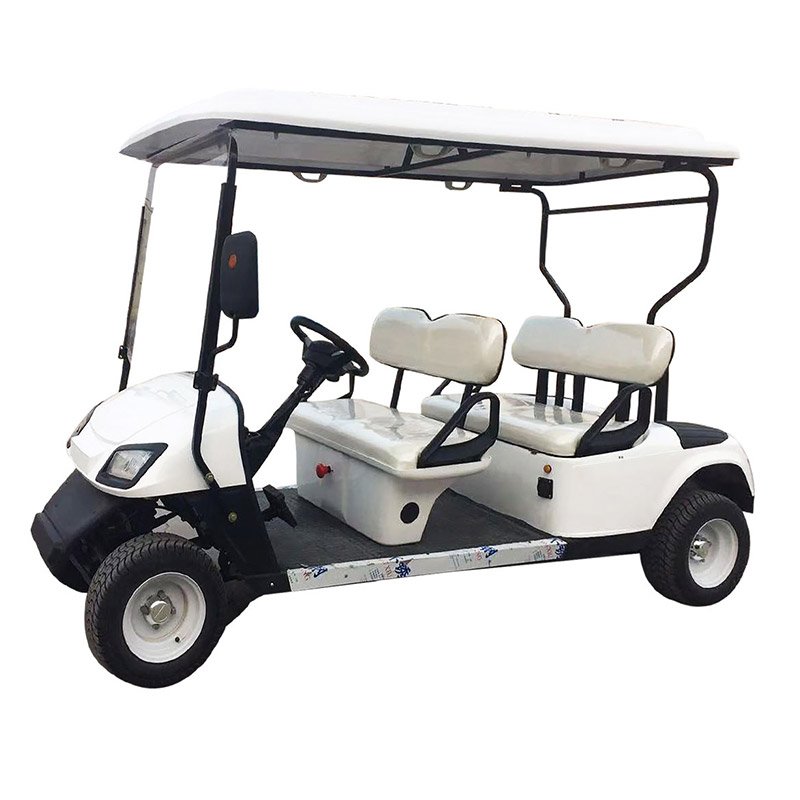
MV-A4 · Catalogue configuration
Carrinho de golfe MV-A4 de 4 lugares
Request vehicle documentation for your operating plan; staffing and fatigue controls remain separate responsibilities.

MV-A6 · Catalogue configuration
Carrinho de golfe MV-A6 de 6 lugares
Request vehicle documentation for your operating plan; staffing and fatigue controls remain separate responsibilities.
Discuss your fleet requirements
Tell us your passenger needs, quantity, operating location and delivery destination.

