




A backup golf cart plan should identify which service must continue, what events can interrupt it and how a suitable replacement reaches the route. Start with actual dispatch and downtime records rather than choosing a universal spare-fleet percentage. A parked vehicle is useful only if it is available, suitable for the assignment and supported by a clear dispatch decision.
This guide focuses on replacement availability during peak shuttle operations, not on designing the entire route network or calculating lifetime ownership cost. For the wider service design, see the resort shuttle planning guide. Here the intended output is a practical backup assignment sheet for your busiest service periods, with assumptions that managers can review.
Define the service you are protecting
List the passenger movements that create the strongest continuity requirement. An event transfer with a fixed departure window is different from an occasional staff trip that can be rescheduled. Record the service period, loading point, passenger needs and acceptable response process. Describe the consequence of an interruption without inventing a financial loss or promising uninterrupted service.
A backup decision also depends on what the site can do without another cart. The dispatcher might combine low-priority assignments, revise departure times or use an approved alternative service. Document those options before assuming every interruption requires a permanently idle vehicle. Explain which adjustments are acceptable and who may authorize them.
The Department of Energy’s fleet right-sizing guidance considers mission needs and utilization, including critical missions. We use that as general planning context, not a private-site legal obligation. A rarely used vehicle may have a justified continuity role, but that role should be documented rather than inferred from low mileage alone.
Measure simultaneous needs rather than daily totals
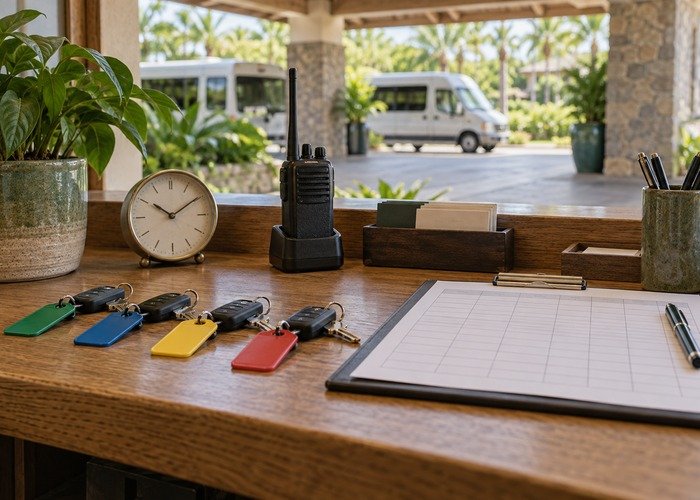
A daily trip total can hide the period when several vehicles are required at once. Review dispatch activity by a consistent time interval suited to the operation. Record assigned vehicles, waiting requests and the reasons any vehicle is unavailable. Keep planned charging, scheduled service, unexpected issues and vehicles assigned elsewhere separate so the same absence is not counted twice.
Use actual busy-day records and explain what makes those days representative. Include events, weather disruptions or special passenger assistance when they materially change the work. Do not assume that the largest historical demand will happen every day, or that an average day is sufficient for a fixed-time event. Show both the normal plan and the condition that triggers extra cover.
Assignment records help establish where assets went and when they returned. Fleetio’s reports overview illustrates the separation of vehicle assignments, issues and service information. You can organize equivalent fields in a simple local register; purchasing a particular software package is not a prerequisite for understanding your own dispatch pattern.
Identify the different causes of unavailability
A vehicle in planned service creates a known scheduling question. A vehicle awaiting diagnosis creates uncertainty. A vehicle being charged may have a predictable return, subject to its instructions and actual operating conditions. Record the expected return time, the person responsible for confirming it and whether the cart can be reassigned when ready.
Separate the event from the administrative delay. For example, a cart may be unavailable because a qualified service provider is reviewing an issue, while a second delay occurs because the dispatcher has not received the release information. These are different problems. Buying more carts does not by itself repair missing communication between service and dispatch.
| Scenario | Question to resolve | Recorded response |
|---|---|---|
| Scheduled service during a busy period | Can the service window move without contradicting approved instructions? | Responsible owner and confirmed alternate window |
| Unexpected vehicle issue | Which suitable replacement can cover the assignment? | Replacement ID, dispatch authority and handoff |
| Several event transfers overlap | Which services take priority and which can be adjusted? | Approved event plan and communications owner |
| Replacement at another location | How long does authorized repositioning take? | Observed transfer process and availability |
| Uncertain return to service | Who will confirm release and update the dispatcher? | Open issue reference and next review time |
Check whether a replacement is suitable
Do not label every idle cart as interchangeable. Compare the passenger requirement, ordered layout, operating restrictions and route suitability for the actual replacement. An available two-seat cart cannot simply be counted as equivalent to a larger shuttle. The seating capacity guide helps organize early questions; confirmed vehicle documents govern the assignment.
Define a compatible group for each essential duty and list any conditions that prevent substitution. Include required accessories and passenger assistance arrangements. If drivers need familiarization with a different configuration, treat that as part of dispatch readiness. The plan should direct staff to approved instructions, not encourage improvising with unfamiliar controls or passenger layouts.
Charging arrangements also affect availability. Keep the replacement’s battery and charger requirements linked to its identity, and follow the applicable care instructions. Refer to battery and charging considerations without assuming a generic charge time or borrowing an incompatible charger. A reserve vehicle that lacks suitable support is an unresolved requirement, not verified cover.
Compare reserve arrangements before buying more vehicles
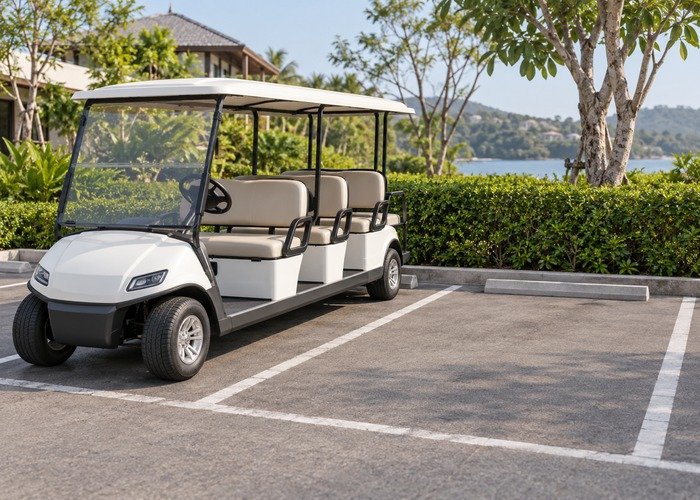
Consider a dedicated reserve, a shared reserve between compatible duties or a planned reassignment from work that can pause. Document the tradeoff for each arrangement. Sharing may reduce idle capacity, but it also creates competition when both services need cover simultaneously. A dedicated reserve may provide clearer access while still requiring parking, care and periodic readiness checks.
When outside support is being considered, obtain written terms covering availability, the actual vehicle configuration, dispatch arrangements and responsibility for service. Do not count a potential supplier as guaranteed backup. NIST’s supplier selection guidance offers broader context for asking about capabilities and capacity rather than relying solely on an attractive price.
A spare-parts plan can support recovery, but it is a different resource from a replacement vehicle. Review the fleet spare-parts checklist separately. NIST’s supply chain overview provides procurement context for evaluating support dependencies; it does not establish a correct number of backup golf carts.
Related video: reviewing fleet utilization
This general fleet right-sizing walkthrough introduces utilization assessment. Apply the recordkeeping approach to your shuttle duties; it does not prescribe a golf cart reserve ratio.
Third-party educational video by Fleet Uptime Manager. Watch on YouTube
Use a scenario sheet with visible assumptions
For an illustrative exercise, suppose four vehicles are assigned during a particular event window and the manager wants to review the temporary loss of one assignment vehicle. List the remaining suitable vehicles, the reserve’s location and the approved service adjustment. This is a planning example, not a recommendation to purchase one reserve for every four carts.
Repeat the exercise for the interruption the site considers credible, including the possibility that the reserve is already committed. Record the assumption, the expected operational effect and the decision needed. Where information is missing, schedule an observation or supplier clarification rather than replacing the unknown with a convenient number. This makes the basis of the purchase decision visible.
Keep service history beside the scenario sheet to understand recurrent unavailability. Fleetio’s service history documentation describes consolidating records for individual assets. In your own process, connect each interruption to the vehicle and issue reference; do not infer a common mechanical cause from two similar driver descriptions without qualified diagnosis.
Write the dispatch and review procedure
The backup sheet should state who can request a replacement, who approves the reassignment and how the passenger-facing team is informed. Record the original assignment, substitute ID, time of handoff and expected review point. Keep a separate status for the unavailable vehicle so it is not accidentally placed back into the allocation list while its issue remains open.
Review the arrangement after major events or meaningful operating changes. Compare what staff expected with what happened: delays in locating keys, conflicting assignments or a mismatch in configuration may matter as much as fleet size. Use the fleet planning enquiry to discuss the vehicle requirement supported by those records, then request confirmed specification and support details.
Frequently asked questions
Is there a standard percentage of spare golf carts?
A universal percentage is not established by this guide. Assess the service requirement, overlapping assignments, observed unavailability and suitable substitutes. Document the scenarios behind the reserve decision.
Can a larger cart replace two smaller ones?
Not automatically. Loading locations, timing, route conditions, passenger needs and confirmed vehicle restrictions may prevent that substitution. Review the actual assignment rather than adding nominal seats together.
Should backup vehicles remain unused?
That depends on the approved operating plan. Their continuity role must remain clear, and their care and readiness follow applicable instructions. Routine rotation should not leave essential cover unexpectedly committed.
When should the reserve plan change?
Review it when routes, service periods, passenger requirements, fleet configuration or observed downtime change. Keep the previous assumptions so managers can explain why the revised arrangement is justified.
Explore related MOVIVEX golf carts
Use these existing catalogue vehicles as starting points for a configuration discussion. Confirm the ordered specification and support scope in writing.
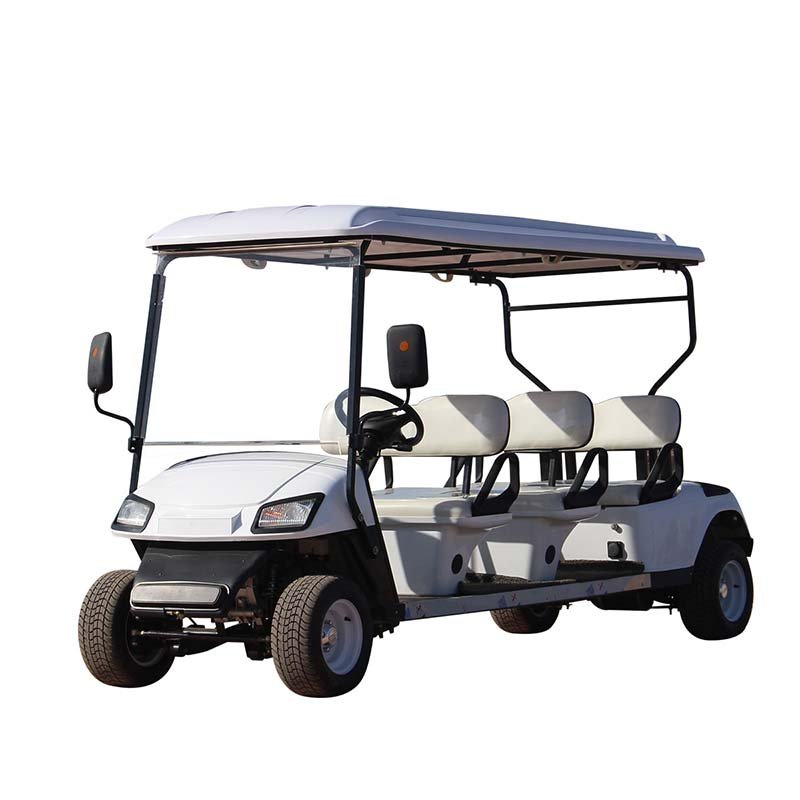
MV-A6 · Catalogue configuration
Carrinho de golfe MV-A6 de 6 lugares
Confirm whether this passenger configuration is suitable for your planned primary or reserve assignment.
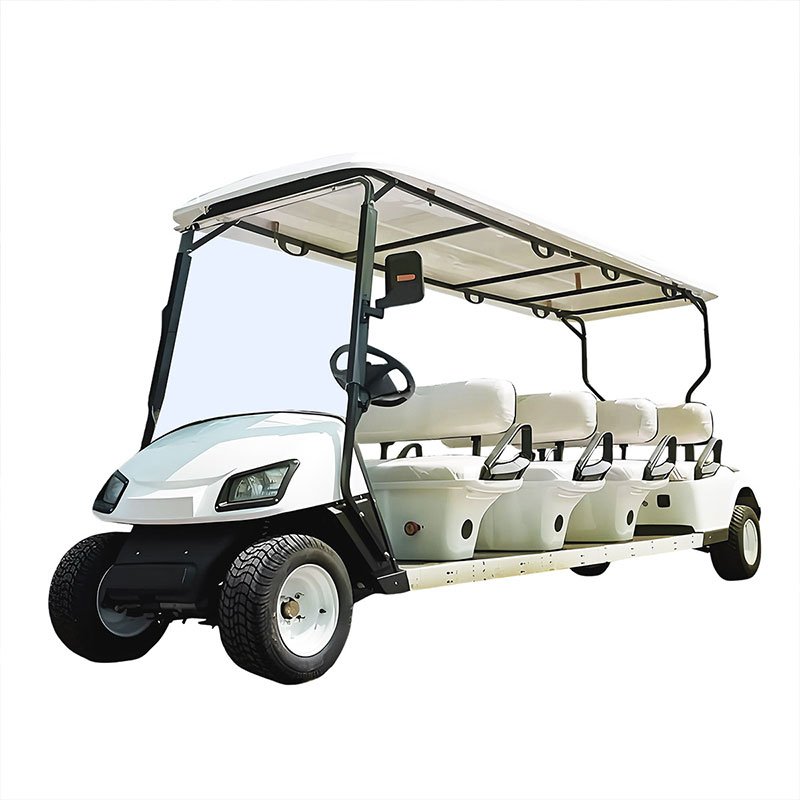
MV-A8 · Catalogue configuration
Carrinho de golfe MV-A8 de 8 lugares
Confirm whether this passenger configuration is suitable for your planned primary or reserve assignment.
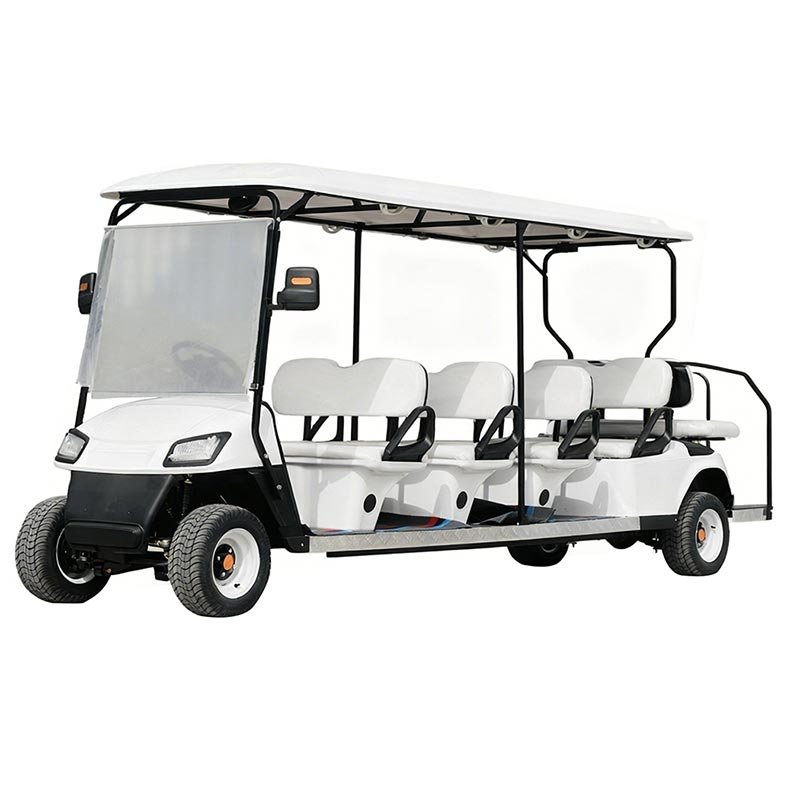
MV-A8+2 · Catalogue configuration
Carrinho de golfe MV-A8+2 de 10 lugares
Confirm whether this passenger configuration is suitable for your planned primary or reserve assignment.
Discuss your fleet requirements
Tell us your passenger needs, quantity, operating location and delivery destination.