




A golf cart shuttle accessible pickup point needs more than a convenient place for a vehicle to stop. Review the complete journey from the site arrival point to the waiting area, the boarding arrangement and the destination. Record barriers for competent assessment, and provide a suitable alternative when the proposed cart or stop cannot meet a passenger’s needs.
This walkthrough helps commercial fleet teams organize observations and service questions. It does not certify a facility, vehicle or shuttle service as accessible. Applicable accessibility duties and technical requirements depend on the location and service; involve qualified accessibility professionals and the people responsible for the facility and transport operation.
Follow the passenger journey from the actual arrival point
Begin where passengers really arrive: reception, parking, a public sidewalk or another transport stop. Trace the intended route to the pickup point and onward from the drop-off point. A useful review includes both ends of the journey rather than treating the vehicle bay as an isolated feature.
The U.S. Access Board’s accessible routes guide explains connections between site arrival points and accessible facilities under the ADA Standards. Use it as U.S. facility context where relevant, not as evidence that a golf cart route or vehicle is automatically compliant.
Map the proposed passenger journey alongside your resort shuttle plan. Ask where passengers receive directions, whether a closed reception door changes the route and who helps resolve an unavailable service. Include the return journey, which may operate under different staffing conditions.
Look at the approach and waiting space together
Document obstacles such as loose furniture, temporary signs, narrow circulation areas and stored luggage. Record the location and conditions rather than guessing compliance from appearance. A space that is clear during an empty-site visit may become obstructed when several passengers are waiting.
The Access Board’s floor and ground surfaces guide discusses surface characteristics and changes in level. These are useful review topics for the route to a pickup point. Have the relevant professional determine actual requirements and assessment methods; a photograph cannot establish slip resistance or an acceptable gradient.
Keep circulation needs visible in the boarding and queue arrangement. The accessibility review concerns whether people can reach and use the service, while the queue plan organizes passenger flow. Neither document should quietly assume the other has resolved an identified barrier.

Review the stop interface without assuming vehicle capability
Describe where the vehicle stops, which side passengers approach and what space remains for circulation. Record the actual cart configuration and any proposed assistance. A roofed passenger cart with several seats is not, by that fact, a wheelchair-accessible vehicle.
The Access Board’s passenger loading zones guide distinguishes facility loading arrangements and addresses their relevant features. It is not a certification system for golf carts. Do not transfer bus or passenger-car loading dimensions to an unassessed cart stop as a universal design solution.
Ask separately about the passenger’s travel requirements and the supplier’s documented vehicle capabilities. Do not promise that a passenger can transfer, that a mobility device will fit or that staff can provide physical assistance without an appropriate assessment. Avoid improvised boards, portable ramps or changes to the vehicle.
Create a barrier register that leads to a decision
A practical register connects each observation with the affected part of the journey and a responsible reviewer. Distinguish a confirmed defect from a question awaiting assessment. Where the proposed service cannot meet the need, identify how the passenger can obtain an appropriate alternative without being sent repeatedly between departments.
| Journey element | Question to record | Follow-up owner |
|---|---|---|
| Arrival to waiting area | Is the intended connection usable under relevant conditions? | Facility accessibility lead |
| Waiting space | Can circulation remain available during normal queues? | Site operations lead |
| Vehicle interface | Does the actual service meet the identified passenger needs? | Transport lead with appropriate specialists |
| Destination | Is there a suitable onward route and available reception? | Destination manager |
| Alternative arrangement | Who confirms availability and communicates it? | Named service coordinator |
This is an illustrative review record, not a compliance checklist. Attach the relevant professional findings and approvals rather than replacing them with a tick. Give unresolved items a clear status so dispatch does not mistake a planned improvement for an available service feature.
Include doors, level changes and temporary arrangements
Follow the journey through any reception entrance or gate. A clear outdoor path is insufficient if a passenger reaches a locked door or an obstructed maneuvering area. The Access Board’s entrances, doors and gates guide provides U.S. facility guidance for the relevant specialist to consider.
Record level changes and existing ramps for assessment, including their connection to the waiting area. The ramps and curb ramps guide concerns built-environment requirements. It does not authorize attaching a ramp to a standard golf cart or establish that a mobility device can be carried.
When construction or an event changes access, coordinate the temporary arrangement through the detour process. Check the passenger journey again. A route that is suitable for the cart may still lead passengers to an unsuitable waiting location or inaccessible entrance.

Make the service information match what is available
Tell reception, booking staff and dispatch what has been confirmed and what requires individual discussion. Use clear, respectful questions about travel requirements rather than assumptions based on appearance. Keep personal information limited to what the service genuinely needs and handle it through appropriate private processes.
For an illustrative walkthrough, suppose a temporary luggage rack blocks the only intended circulation space beside a waiting bench. Record the observation, arrange an appropriate interim response and request the relevant review. Moving one object may resolve that obstruction, but it does not certify the rest of the route or the vehicle.
Put vehicle documentation requests into the configuration brief. Discuss the actual service with specialists before selecting from the MOVIVEX catalogue. The product cards below are general configuration inquiry starting points, not claims of wheelchair access or accessibility certification.
Check the service at the times passengers use it
Include opening hours, evening arrivals and periods when temporary furniture or event equipment is present. Confirm who receives a request for an alternative service when the normal coordinator is unavailable. Staff should be able to explain the next step clearly without asking a passenger to attempt an unsuitable boarding arrangement.
Where appropriate, include users with relevant access needs in the review through a respectful, planned process. Their observations can reveal practical barriers that a drawing misses. Record requested improvements for assessment without representing an informal walkthrough as a technical compliance determination.
Frequently asked questions
Does a clear waiting area make the shuttle accessible?
No. Review the arrival route, waiting arrangement, vehicle interface, assistance and destination together. A clear area can be useful while other parts of the journey remain unresolved.
Can a standard cart carry a passenger who remains in a wheelchair?
Do not assume that capability. Obtain documentation for an appropriately assessed vehicle and service. Ordinary seating capacity and an open passenger compartment do not establish mobility-device accommodation or securement capability.
Should we copy ADA dimensions into our cart stop plan?
Have a qualified professional determine which requirements apply to the facility and service. This article uses U.S. facility guidance as context and does not prescribe a universal golf cart stop design.
What can we ask MOVIVEX during procurement?
Describe the proposed duty and request verified configuration information through a quotation inquiry. Confirm any accessibility capability explicitly; where the proposed cart cannot meet the service need, arrange a suitable alternative.
Related video: passenger loading facility context
This U.S. Access Board video explains parking and passenger loading facilities under U.S. accessibility standards. The passenger loading section begins at 6:23. Use it as facility context for qualified review, not a golf cart accessibility certificate or a universal design for every jurisdiction.
Third-party educational video by U.S. Access Board. Watch on YouTube
Explore related MOVIVEX golf carts
Use these existing catalogue vehicles as starting points for a configuration discussion. Confirm the ordered specification and support scope in writing.
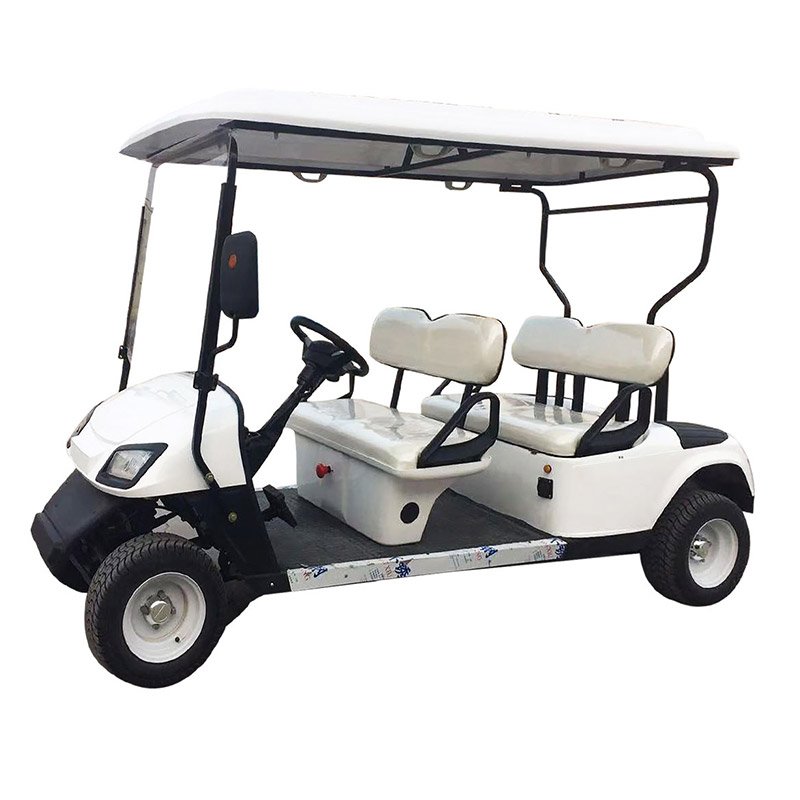
MV-A4 · Catalogue configuration
Carrinho de golfe MV-A4 de 4 lugares
Discuss the exact service need; this catalogue card does not claim wheelchair access or accessibility certification.
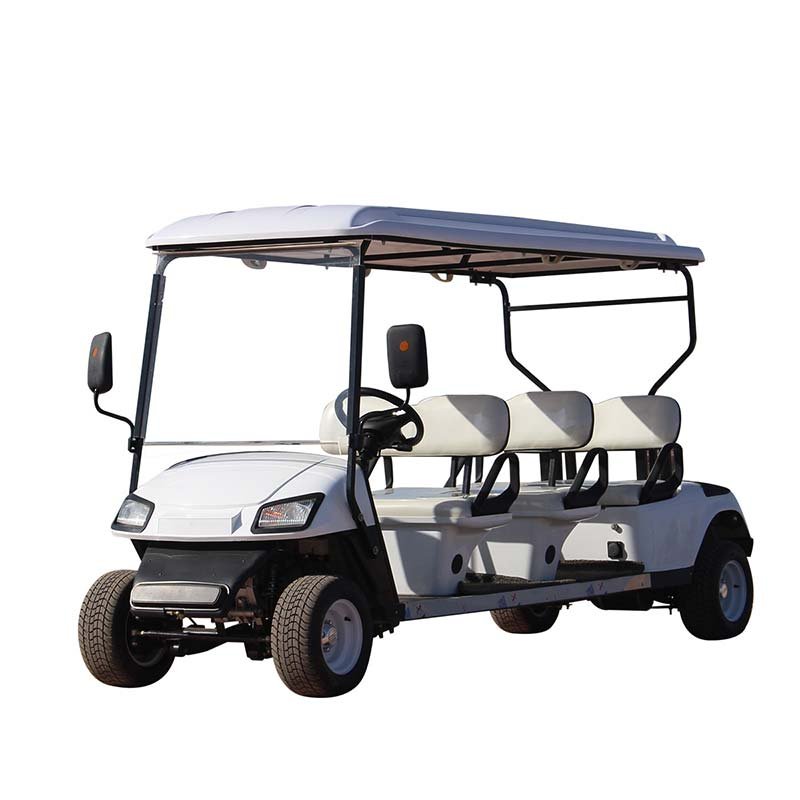
MV-A6 · Catalogue configuration
Carrinho de golfe MV-A6 de 6 lugares
Discuss the exact service need; this catalogue card does not claim wheelchair access or accessibility certification.
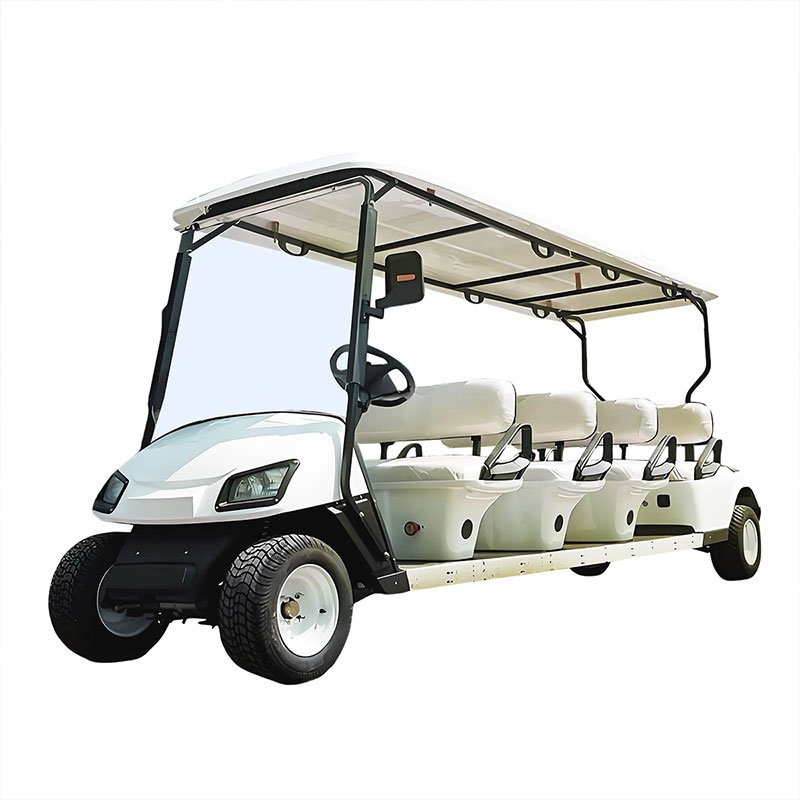
MV-A8 · Catalogue configuration
Carrinho de golfe MV-A8 de 8 lugares
Discuss the exact service need; this catalogue card does not claim wheelchair access or accessibility certification.
Discuss your fleet requirements
Tell us your passenger needs, quantity, operating location and delivery destination.

