




Golf cart fleet key control should connect each vehicle checkout to a valid driver authorization and a clear assignment. Maintain a current vehicle and authorized-user register, define who may release keys, record returns and handle exceptions visibly. A key cabinet is useful storage, but it does not establish that the person receiving a key is authorized for the vehicle and route.
This guide addresses access and checkout records. It does not define a universal driver qualification, replace training or prescribe a security system. Use the vehicle instructions and the site’s approved authorization process to establish the actual conditions. Connect the checkout record to the fleet service log when vehicle availability is affected by an open issue.
Keep vehicle identity separate from model names
Assign each vehicle a stable fleet identifier and connect it to the applicable documentation. A model name is not a unique identity when several carts share the same configuration. The person releasing a key must be able to tell which unit it operates and which assignment is being approved.
Record the key set or access reference without exposing sensitive security information in a publicly accessible register. Use the site’s chosen process for storing identifiers and controlling access to the records. Do not assume that color tags alone remain sufficient when keys are replaced or additional vehicles join the fleet.
Fleetio’s vehicle overview documentation provides general administrative context for linking assignments and issues to a vehicle. You can apply the identity principle in a paper register or another system without adopting a particular software product.

Define authorization before defining checkout
Identify who decides whether a person may operate a particular vehicle on the intended assignment. Keep that decision separate from the staff member handing over the key. A person may be familiar with one vehicle or route and still need the site’s approved familiarization and assessment for another assignment.
The UK HSE initial training guidance provides workplace context for competence and relevant instruction. Apply it only as general planning context here; local requirements, the actual vehicle and the employer’s approved process determine the authorization. This article does not issue a license or certificate.
Record the scope of authorization, its effective period where applicable and any limitations established by the responsible reviewer. Make changes visible to the checkout desk. If an authorization expires or an assignment changes, the key-release process needs a way to recognize that change before the next vehicle is dispatched.
Make the key release decision simple to follow
Specify the checks the checkout owner performs: identify the person, confirm the applicable authorization, identify the vehicle and confirm its current availability status. Use the site’s approved method and information sources. The desk should not guess that a vehicle is available because its key has returned to the cabinet.
Describe what happens when a required record cannot be confirmed. An exception should go to a named decision owner rather than being resolved through an undocumented favor or verbal assumption. If service must be adjusted, record the change and communicate it to the people relying on that assignment.
Keep dispatch requirements connected to the fleet planning brief. A key handoff should identify the intended duty, not merely transfer access to a vehicle. This helps the next shift understand why a cart is away and when its return needs to be reviewed.
| Checkout field | Record | Purpose |
|---|---|---|
| Person | Approved user identity and authorization reference | Connect access to the responsible operator |
| Vehicle | Unique fleet identifier and availability check | Avoid confusing similar configurations |
| Assignment | Duty, destination or approved route reference | Keep the release connected to its scope |
| Handoff | Release time and checkout owner | Make the transfer traceable |
| Return or exception | Actual return, unresolved issue and decision owner | Keep the next assignment informed |
This is an illustrative administrative format. It does not prescribe a universal authorization period or legal record-retention rule. Add the fields required by the actual site process, and restrict access to personal and security information appropriately.
Handle temporary and visiting operators explicitly
Temporary staff should not inherit another person’s authorization simply because they take over a shift. Confirm the relevant competence, local briefing and operating scope through the approved process. Keep the person, vehicle and assignment connected in the checkout record even when the duty lasts only a short time.
The HSE visiting-driver guidance provides general context for communicating site-specific information. Its workplace scope is not a golf cart certification. The practical question for the fleet is whether the visiting operator has received the current local instructions relevant to the actual assignment.
Record the agreed expiry or end of temporary access where the site process uses one. Identify who updates the register when the person leaves or the assignment ends. A key returned without an authorization update can leave an outdated entry that the next checkout owner mistakes for current permission.

Keep returns and vehicle release separate
When a key returns, record the actual time and any reported issue. A return entry confirms the handoff; it does not automatically establish readiness for another duty. Follow the site’s applicable process for vehicle checks and defect escalation before a later assignment is released.
The HSE vehicle inspection guidance provides general workplace context for identifying and addressing defects. Use the actual golf cart instructions for the relevant checks. Do not transfer inspection procedures for another vehicle category into the key-control register.
Connect an unresolved issue to a clear reference and decision owner. The checkout desk needs the current availability decision, while the service record retains the technical follow-up. Avoid closing a reported defect merely because the person who first mentioned it has finished the shift.
Related video: vehicle checkout and key-control records
This third-party vehicle-sharing walkthrough illustrates key checkout and reservation records. It is an administrative example, not a required software purchase or a substitute for your driver authorization decision.
Third-party educational video by Agile Fleet FleetCommander. Watch on YouTube
Prepare for missing keys and access changes
Define a reporting route for a missing key, unclear handoff or unexpected vehicle access. Record the known facts and notify the person authorized to determine the response. Do not publish sensitive key or security details in a general operating report, and do not improvise a replacement access arrangement outside the approved process.
Review the register when staff change, vehicles are replaced or operating duties move. Keep the update owner visible and remove obsolete instructions from the checkout location. A well-maintained access record is more useful than a larger register containing entries no one can confirm.
Fleetio’s reporting overview illustrates reviewing vehicle assignments and issues together. A small fleet can use a simple exception list: missed returns, unclear assignments or outdated authorization references. Review the evidence without claiming that a recordkeeping change has proved a particular safety outcome.
Use checkout records to support fleet decisions
If keys frequently remain out beyond planned return times, review the actual assignment and dispatch process. Refer to the backup cart planning guide for interruption arrangements. Do not assume that buying another vehicle resolves an authorization or handoff problem.
When selecting MOVIVEX catalogue vehicles, ask for the documentation and identification information supplied with the exact configuration. Different ordered equipment may require different familiarization. A shared series name does not mean every operator may use every unit interchangeably.
Include the intended drivers, duties and handoff constraints in the configuration brief. When you request a quotation, distinguish the supplier documentation you need from authorization decisions owned by your site.
Frequently asked questions
Does receiving a key mean a person is authorized?
No. Key release should follow the approved authorization process. Storage and access control do not substitute for competence, relevant instruction or the site’s decision.
Can several identical carts share one checkout identity?
Use a unique vehicle identifier. Model names alone cannot show which unit was assigned, returned or associated with an issue.
Does returning a key release a vehicle for the next shift?
Not automatically. Record the return and follow the applicable availability and defect process before approving another assignment.
What is the most useful first change?
Connect the user, authorization reference, vehicle identifier and assignment in one clear handoff record, with a named owner for exceptions.
Explore related MOVIVEX golf carts
Use these existing catalogue vehicles as starting points for a configuration discussion. Confirm the ordered specification and support scope in writing.
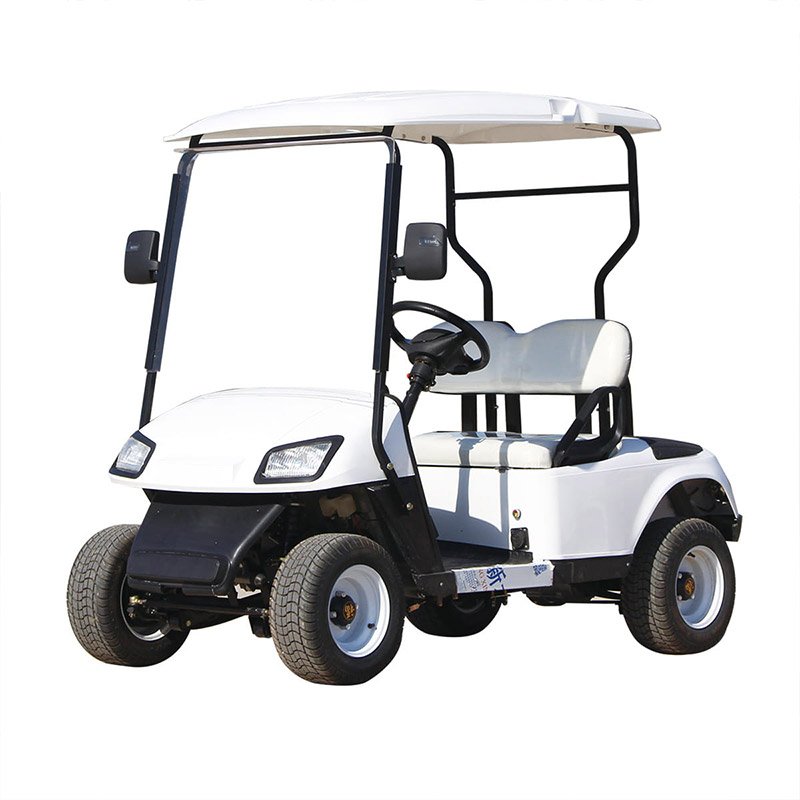
MV-A2 · Catalogue configuration
Carrinho de golfe elétrico MV-A2
Ask for vehicle identification and the instructions needed for your authorization process.
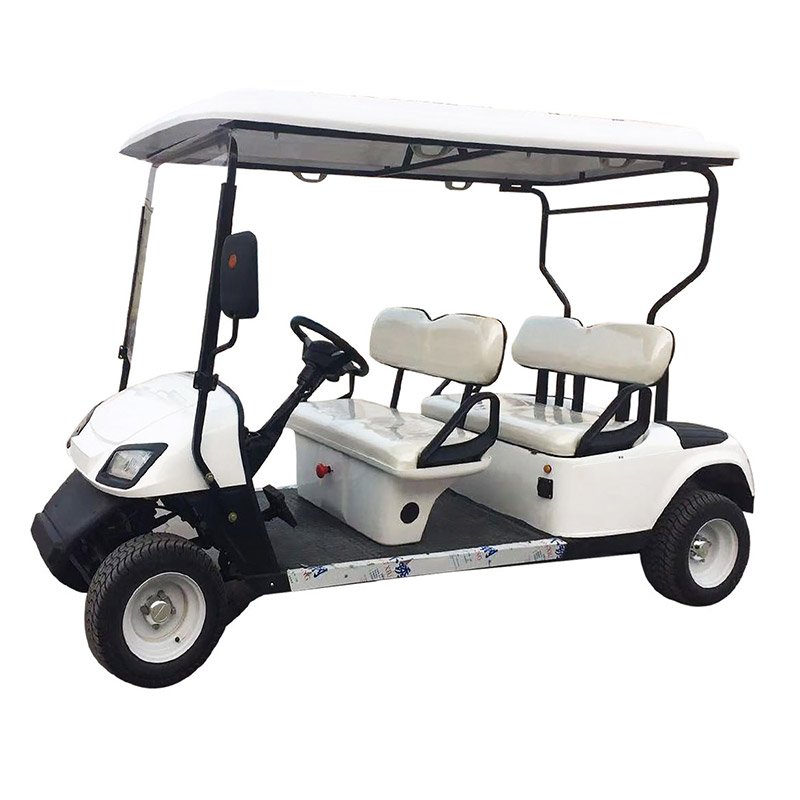
MV-A4 · Catalogue configuration
Carrinho de golfe MV-A4 de 4 lugares
Ask for vehicle identification and the instructions needed for your authorization process.

MV-A6 · Catalogue configuration
Carrinho de golfe MV-A6 de 6 lugares
Ask for vehicle identification and the instructions needed for your authorization process.
Discuss your fleet requirements
Tell us your passenger needs, quantity, operating location and delivery destination.