




A golf cart shuttle boarding queue should keep waiting passengers, boarding activity and through pedestrians from competing for the same space. Map how people reach the stop, identify an approved waiting area and overflow arrangement, and assign someone to communicate boarding instructions when demand rises. Review actual observations before accepting the layout. Adding more carts does not, by itself, resolve a queue that blocks the route to another building.
This is a stop-level planning guide for commercial fleet operators. It does not certify accessibility, prescribe universal dimensions or replace a competent site assessment. Use the resort shuttle planning guide for the wider route and passenger assignment; use this checklist to examine the point where people wait and board.
Observe the stop before drawing a queue
Record where passengers arrive, where they naturally wait and which walking paths continue past the stop. Include people who are not using the shuttle. A layout can look orderly when empty and become obstructive when a reception event ends or luggage is brought to the pickup point. Observe representative operating periods rather than relying only on an empty-site photograph.
Give the stop a stable name and map version. Identify entrances, pedestrian destinations, vehicle approaches and the boarding side used by the approved configuration. Do not assume that every vehicle can use the same approach or stop position. Changes in seating, luggage arrangements or site furniture may affect the operational discussion.
The UK HSE guidance on separating pedestrians and vehicles provides general workplace planning context. Its principles support reviewing interactions at the stop, but local requirements and the actual site assessment determine the controls. It is not a golf cart configuration approval.

Separate waiting, boarding and through movement
Show three functions on the plan: where passengers wait, where the current group boards, and where other pedestrians continue moving. Ask whether a waiting group can remain in its designated area without standing in the vehicle movement area or blocking an entrance. If not, review the location or service arrangement with the responsible site team.
Keep boarding instructions connected to the approved vehicle and duty. A queue marker should not suggest that passengers may board a moving vehicle or use an unapproved side. The staff briefing needs to reflect the actual supplied instructions and the site’s agreed operating process, including how to pause boarding when the stop cannot be used as intended.
Accessibility needs a separate, competent review. The US Access Board’s passenger loading zone guide explains US facility requirements in its own scope. Do not transfer its dimensions to a universal golf cart stop design or claim that a queue plan establishes vehicle accessibility. Identify the jurisdiction and obtain the applicable assessment.
Define what happens when the waiting area fills
An overflow arrangement should be agreed before a busy period. Record where additional passengers may wait and how they receive service information. Avoid allowing an informal second line to grow across a walkway simply because the primary waiting area is full. An overflow location should be reviewed with the same attention to pedestrian access as the original stop.
Identify the point at which staff change the service arrangement. That might involve directing passengers to another approved waiting area, communicating a temporary pause or adjusting the dispatch plan. The action depends on the site, but the decision owner should be named. Do not ask operators to improvise an unreviewed pickup location to clear a queue.
Record the destinations that must remain accessible during an overflow event. Delivery staff, pedestrians and other site users may need the same corridor. The HSE traffic-route guidance is general context for considering how routes are used. The useful output here is a site-specific overflow plan, not an assumed universal queue capacity.
| Stop-level question | What to record | Who reviews it |
|---|---|---|
| Where do people wait? | Primary waiting area and observed arrival paths | Site operations owner |
| Where does boarding occur? | Approved stop position and boarding arrangement | Fleet and site reviewers |
| What remains clear? | Through paths, entrances and required access | Relevant facility reviewer |
| What happens at overflow? | Approved alternative and communication action | Dispatch or stop coordinator |
| What needs follow-up? | Observation, owner and review date | Named decision owner |
This table is an illustrative review record. It contains no universal dimensions or passenger limit. Add the requirements established by the competent assessment, and leave unanswered items visible until the responsible person supplies a decision.
Assign boarding communication clearly
Decide who explains where to wait, which service is arriving and when boarding may begin. In a quiet period this may be an operator under the approved process; a busy event may require another arrangement. Avoid making a driver simultaneously resolve a crowd and conduct a vehicle maneuver without an agreed operating plan.
Use consistent names for the stop and destination across the roster, guest information and staff briefing. If a temporary pickup replaces the normal stop, remove or correct conflicting messages. A passenger following yesterday’s directions should not be left waiting in a location that is no longer served.
The HSE signs and markings guidance provides general context for clear messages at workplace decision points. Confirm actual signs and placement through the relevant site process; a sign alone is not a substitute for a reviewed layout or staff communication.

Review observations without guessing causes
Record the time, stop, service direction and what was observed. Useful entries include a waiting group extending into a walking path or passengers approaching from an unexpected entrance. Avoid turning a brief observation into an unsupported claim about the cause, required fleet size or the behavior of every passenger.
Keep the conditions with the record: event timing, temporary furniture, weather-related changes and the vehicle assignment. These details help the reviewer determine whether the issue is recurring or tied to a changed site condition. A photograph should have a clear reference rather than being stored as an unlabeled image.
Fleetio’s reporting overview provides administrative context for organizing vehicle and issue records. A small fleet can use a simple stop log instead. Link a change decision to its supporting observation and tell staff which map version is now in use.
Related video: golf cart passenger and operator safety context
This university golf cart safety overview provides context for orderly passenger use and operator communication. It does not approve a queue layout or establish local facility accessibility requirements. Use the current site plan and exact vehicle instructions.
Third-party educational video by UC MainStreet. Watch on YouTube
Connect the queue plan to dispatch and purchasing
If an observed queue issue requires a change in assignments, review the backup vehicle plan and dispatch responsibilities. Do not assume that an extra vehicle will solve a blocked boarding point; it may introduce another movement into the same constrained area.
When discussing MOVIVEX catalogue configurations, ask about the exact passenger arrangement and relevant supplied instructions. The vehicle selected for a stop must be considered alongside its actual assignment and the site’s approved layout. A product thumbnail does not establish clearance, accessibility or operating suitability.
Include the stop names, expected duty periods and unresolved layout questions in your fleet planning brief. When you request a quotation, distinguish confirmed vehicle requirements from facility decisions that need local assessment.
Frequently asked questions
Is a larger waiting area always the answer?
No. Review arrival paths, boarding movements, through access and service communication together. An unreviewed larger queue can move the obstruction rather than resolve it.
Does this checklist establish ADA compliance?
No. US facility guidance has a defined scope, and other jurisdictions have their own requirements. Obtain the appropriate professional assessment for the actual site and service.
Should overflow passengers board elsewhere?
Only under an approved alternative arrangement. Staff should not create an informal pickup point without reviewing access, vehicle movement and communication.
What should the reviewer receive?
Provide a named stop, current map, factual observations, operating conditions and unresolved questions. Record the authorized decision and communicate the resulting arrangement.
Explore related MOVIVEX golf carts
Use these existing catalogue vehicles as starting points for a configuration discussion. Confirm the ordered specification and support scope in writing.
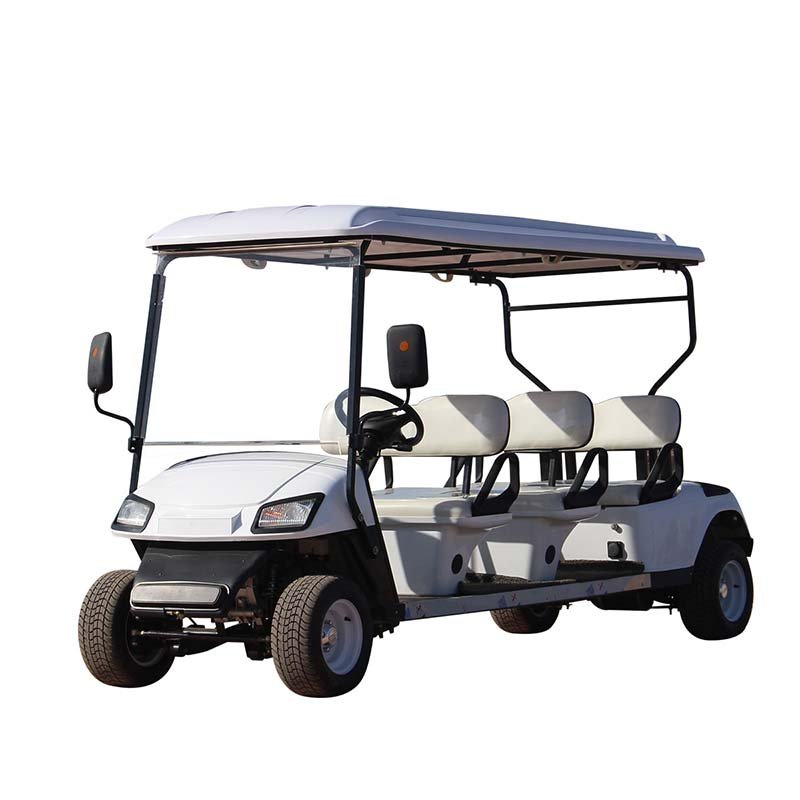
MV-A6 · Catalogue configuration
Carrinho de golfe MV-A6 de 6 lugares
Discuss the exact passenger configuration against your reviewed pickup arrangement.
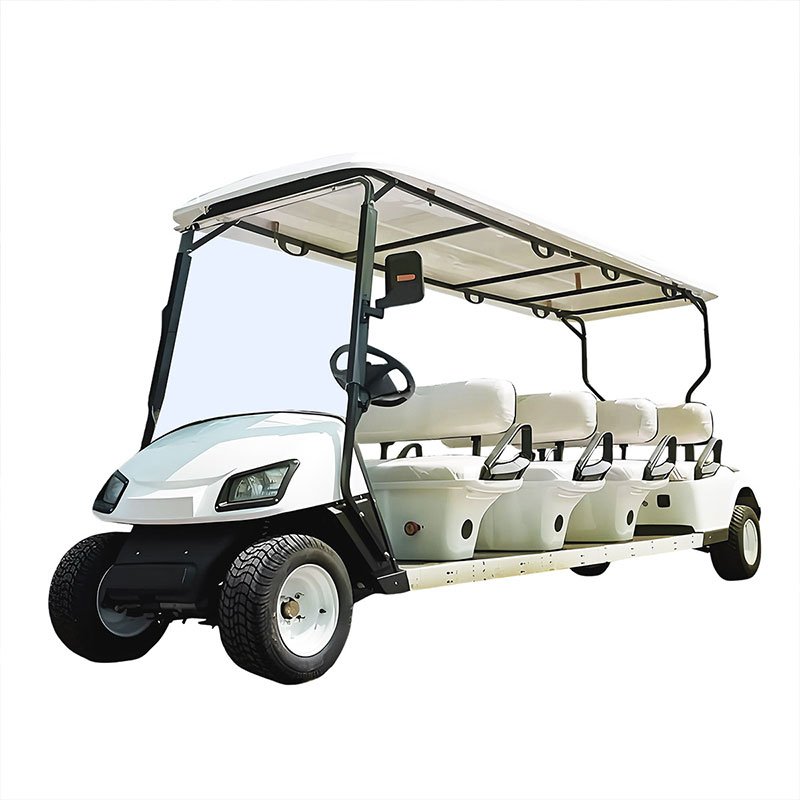
MV-A8 · Catalogue configuration
Carrinho de golfe MV-A8 de 8 lugares
Discuss the exact passenger configuration against your reviewed pickup arrangement.
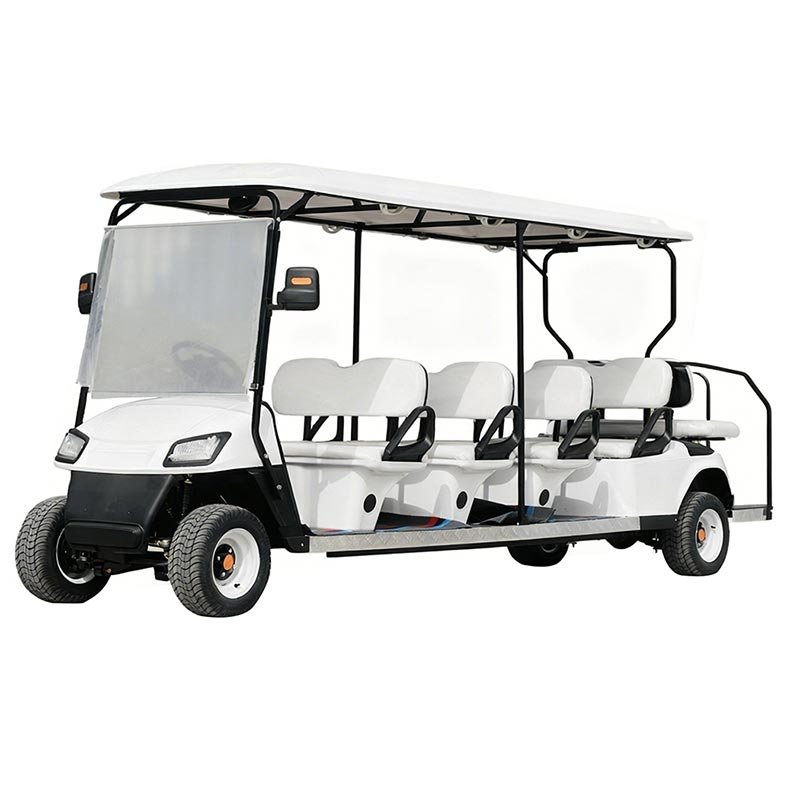
MV-A8+2 · Catalogue configuration
Carrinho de golfe MV-A8+2 de 10 lugares
Discuss the exact passenger configuration against your reviewed pickup arrangement.
Discuss your fleet requirements
Tell us your passenger needs, quantity, operating location and delivery destination.