




Golf cart battery warranty terms are useful only when a buyer can identify the covered product, the party handling the claim and the conditions attached to that coverage. Before approving a fleet order, request the applicable written policy and connect it to the exact supplied battery configuration. Record the start date, registration requirements, exclusions, evidence needed and costs that remain with the fleet. A headline warranty duration is only one part of that review.
This is a commercial purchasing checklist, not a statement of MOVIVEX warranty coverage or legal advice about a particular contract. Manufacturer examples illustrate questions to ask. The signed offer and applicable policy determine what is promised for your order. Use the existing fleet quotation comparison guide for the wider commercial scope.
Identify exactly what the policy covers
Begin with a component register. Enter the vehicle model, battery manufacturer where confirmed, battery model and the identifier used in the supplied documentation. Keep the charger and other electrical equipment on separate lines if their coverage differs. Do not assume that a vehicle warranty and a battery warranty share the same term, exclusions or claim route.
Ask which policy version applies to the ordered configuration and market. Save the document with its revision or issue date and the corresponding offer reference. A later webpage may describe a different product or purchase period. If the supplier gives a general brochure, ask for confirmation that the cited wording applies to your exact order.
Commercial documentation should make that connection visible. The International Trade Administration’s pro forma invoice guidance provides general context for recording proposed transaction details. It does not decide your warranty rights. Use the purchase file to connect the policy, component description and approved offer, rather than treating a marketing sentence as the complete agreement.

Separate duration, activation and eligibility
A warranty term needs a starting event. Ask whether it begins at manufacture, original purchase, shipment, installation, registration or another specified event. Record the event and the document used to establish it. Where a date is not yet known, leave a named follow-up task instead of entering an estimated activation date as a fact.
Check whether registration is required and who completes it. As a manufacturer-specific example, Trojan’s battery warranty page describes eligibility and registration conditions for its own products. Those conditions are not MOVIVEX terms and do not establish that a MOVIVEX vehicle is supplied with that battery. The useful lesson is to ask about prerequisites, not to copy another manufacturer’s coverage.
Identify any ownership, territory or purchase-channel conditions in the actual policy. A fleet purchased through an importer may need a different claim contact from a locally supplied vehicle. Ask how replacement components are identified and whether a replacement has a new term or follows the remaining original term. Obtain the answer in writing rather than assuming one arrangement is standard.
Make the review table show the unanswered questions
A short review table helps several departments assess the same offer. Use explicit states such as confirmed, clarification requested and not applicable. Avoid a single “warranty included” checkbox, which hides the distinction between coverage duration, activation and the claim process. Assign every unanswered question to a person before the order is approved.
| Question | Evidence to retain | Responsible owner |
|---|---|---|
| Which component is covered? | Exact configuration and policy reference | Purchasing coordinator |
| When does coverage start? | Defined starting event and supporting date | Receiving or purchasing owner |
| Is activation required? | Registration confirmation where applicable | Named registration owner |
| What costs are included? | Written labour, freight and replacement scope | Commercial reviewer |
| How is a claim submitted? | Contact, evidence list and authorization process | Fleet support contact |
This is an illustrative administrative layout, not a summary of a specific supplier’s policy. Add rows when your contract introduces a different condition. A missing answer should remain visible through approval, receiving and fleet handover, so the next team does not assume that purchasing already resolved it.
Read exclusions as operational responsibilities
Review the actual exclusions with the people operating and maintaining the fleet. Ask which documents describe approved use, maintenance and compatible equipment. Do not infer that following generic battery advice satisfies a particular policy. The exact supplied battery and charger instructions remain the reference for those obligations.
Where the policy requires records, agree how they will be kept. A fleet should be able to connect a reported problem to a vehicle, component and dated operating record. Use the fleet service log to retain relevant evidence, while keeping warranty correspondence in the purchasing or support file.
Administrative inspection tools can organize observations without establishing coverage. Fleetio’s inspection form documentation is a recordkeeping reference. A completed form is not proof that a claim qualifies, and an operator’s description should not be rewritten into an unsupported diagnosis.

Ask who pays for each part of a claim
Separate the replacement component from the work and transport involved. Ask about assessment, removal, installation, freight, duties and any temporary vehicle arrangement where relevant. Do not interpret “replacement” as covering every associated cost. Record whether each item is included, excluded or dependent on prior authorization.
Identify the claim contact and the sequence before moving a component or commissioning work. The fleet needs to know whom to notify, which evidence to provide and whether approval is required before costs are incurred. Avoid sending an undocumented component away and discovering later that the supplier needed its identification or an assessment first.
The NIST supply-chain resource provides broader supplier-management context. For this review, the practical output is a clear commercial scope and a named support route. It does not establish response times, local service availability or a particular remedy for your fleet.
Related video: manufacturer warranty registration example
This manufacturer-specific Trojan OnePack example explains registration and transfer questions. Its terms apply only to the products and conditions identified by Trojan; it does not describe MOVIVEX coverage. Confirm the current written policy before relying on any example.
Third-party educational video by trojanbatteryco. Watch on YouTube
Build a small claim-readiness file
Retain the approved offer, applicable policy, component register, purchase evidence and activation confirmation where required. Add the relevant manuals and the agreed supplier contact. Keep the file accessible to the person responsible for fleet support, not only in an individual buyer’s email account.
For a reported issue, record when it was observed, the affected identifier and the operator’s description. Include clear evidence requested by the authorized support contact. Do not perform unapproved disassembly or attempt to reproduce a hazardous condition to create a claim photograph. Follow the equipment instructions and the site’s authorized issue process.
Fleetio’s reporting overview illustrates connecting vehicle, issue and service information. A small fleet can use a simpler register with the same organizing principle. Keep the source documents and decisions alongside the summary so the reviewer can assess the evidence without guessing what happened.
Use the checklist before ordering MOVIVEX vehicles
Review the MOVIVEX catalogue to identify a configuration discussion, then ask which battery and charger would be supplied for your order. Product images and seating labels do not establish a battery specification or warranty. Connect the answer to your quantity, destination and commercial terms.
Include the warranty review in your fleet planning brief. When you request a quotation, ask for the applicable policy, activation requirements and labour and freight scope. That turns a broad warranty question into a set of answers that purchasing and operations can use.
Frequently asked questions
Does a longer headline term always mean better coverage?
No. Compare the covered component, eligibility, exclusions, claim route and associated costs. A duration alone does not describe the practical coverage available for your order.
Can a third-party manufacturer’s warranty be assumed for MOVIVEX?
No. Confirm the supplied component and its applicable written policy. Third-party examples illustrate review questions and are not promises about a MOVIVEX configuration.
Who should retain registration evidence?
Name a responsible person in the fleet handover process and keep the confirmation with the component register. Do not rely on a verbal statement that another department completed it.
What should be clarified before approval?
Resolve the component identity, starting event, activation, exclusions, claim contact and cost scope. Keep any remaining condition explicit in the commercial approval record.
Explore related MOVIVEX golf carts
Use these existing catalogue vehicles as starting points for a configuration discussion. Confirm the ordered specification and support scope in writing.
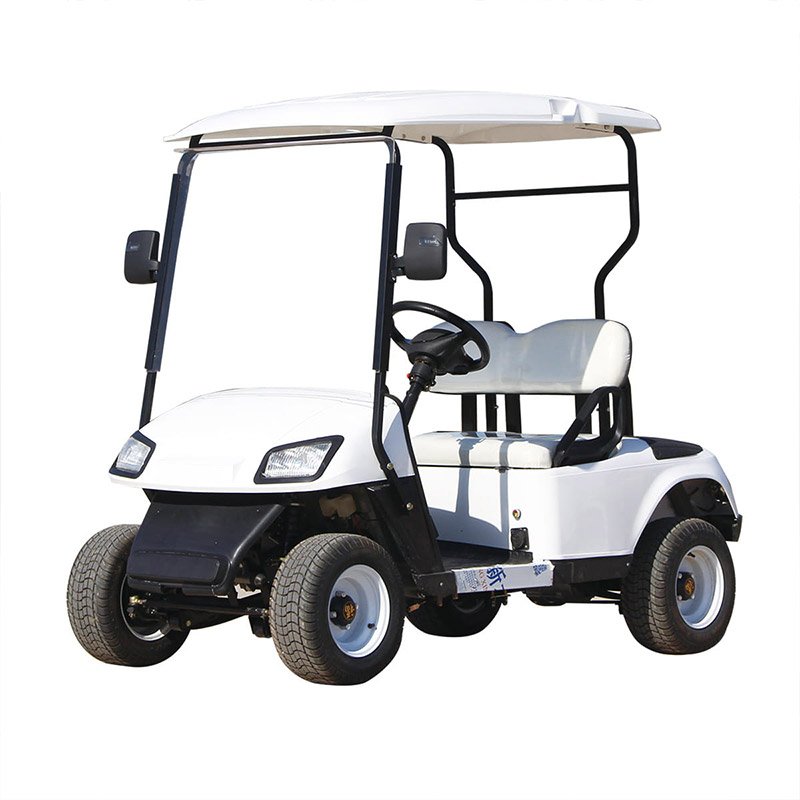
MV-A2 · Catalogue configuration
Carrinho de golfe elétrico MV-A2
Ask for the exact supplied battery specification and applicable written warranty policy.
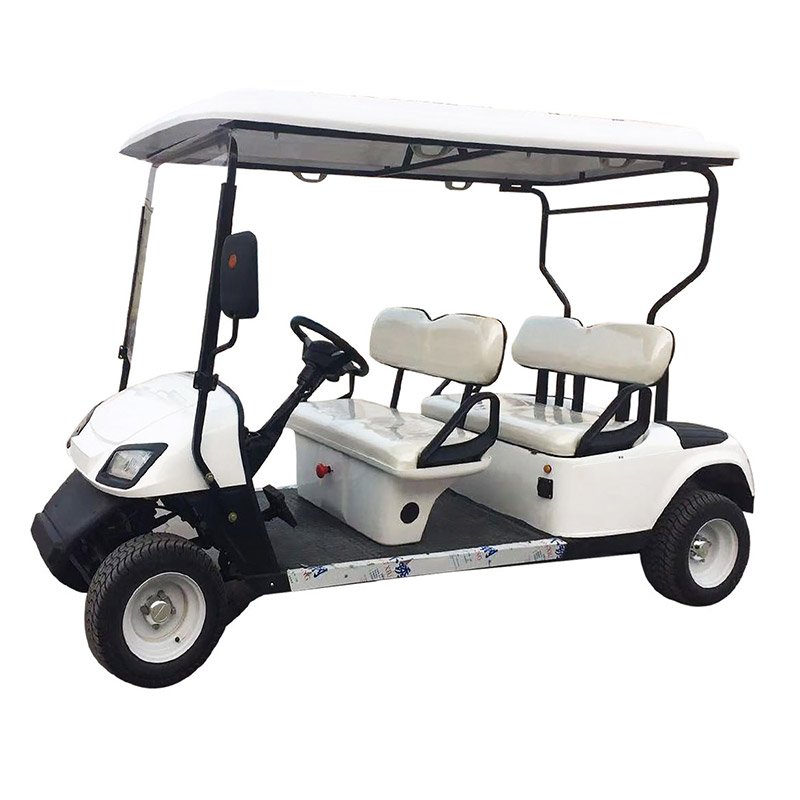
MV-A4 · Catalogue configuration
Carrinho de golfe MV-A4 de 4 lugares
Ask for the exact supplied battery specification and applicable written warranty policy.
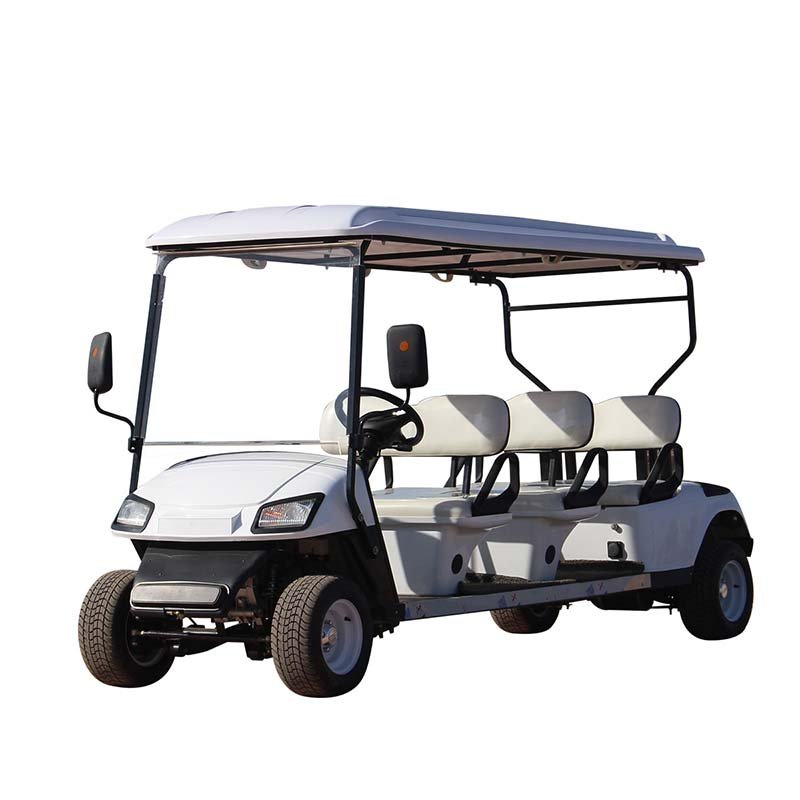
MV-A6 · Catalogue configuration
Carrinho de golfe MV-A6 de 6 lugares
Ask for the exact supplied battery specification and applicable written warranty policy.
Discuss your fleet requirements
Tell us your passenger needs, quantity, operating location and delivery destination.