
















































A golf cart shuttle driver consultation change record should show what is proposed, what affected workers identified and how management resolved the questions before implementation. Sending an announcement is not the same as seeking input. Give drivers and other affected staff enough detail and opportunity to explain how the proposal would work in practice.
This article offers a practical record structure for commercial fleet managers. It is not legal advice about representation, employment contracts or consultation duties. Requirements depend on the jurisdiction and circumstances. Use competent local advice for those questions, and retain responsibility for technical and operating approval with the appropriate people.
Describe a proposal people can evaluate
Start with the current arrangement and the proposed difference. Identify affected routes, stops, hours, staffing interfaces and vehicle configurations. A broad statement about improving efficiency gives workers little basis for discussing a relocated waiting point or an altered closing duty.
The UK HSE’s worker involvement overview organizes participation around preparation, planning, consultation and improvement. Use it as a qualitative framework. Do not assume that following this article satisfies a particular country’s consultation or representation requirements.
Connect the proposal to the existing site fleet plan or resort shuttle arrangement. Retain the current version so workers can compare the proposal with an identifiable baseline rather than different recollections of how the service operates.
Include the people affected by the change
Drivers can explain route activity that is not visible from a central office. Maintenance staff may identify documentation or access implications. Reception, security and dispatch may each hold a different part of the passenger journey. Decide who needs to contribute before setting the discussion format.
HSE’s preparation guidance supports building the conditions for meaningful participation. Establish how relevant representatives are included under the applicable arrangements. Avoid selecting only the people who happen to attend one convenient daytime meeting.
Consider temporary workers and staff on other shifts. Provide a suitable way to contribute and explain where questions go afterward. Use accessible language and formats, and handle sensitive individual concerns through an appropriate private channel instead of recording them in shared minutes.

Ask questions while the options can still change
Identify what is open for discussion and which constraints have already been established. If a safety requirement or access restriction is fixed, explain its basis. If several layouts or duty arrangements remain possible, give enough information for staff to compare them.
HSE’s planning guidance discusses choosing issues and arranging worker engagement. A useful local discussion connects the proposed decision with the people who perform the work. It should not ask workers to endorse a completed design they have no opportunity to question.
For an illustrative proposal, a pickup point moves closer to reception. Ask what happens during guest arrivals, where the driver waits and whether luggage activity obstructs circulation. These observations can reveal questions for specialist review; they do not authorize an unassessed stop.
Separate observations, options and approval
Record what staff observed, what alternative they suggested and which responsible person must assess it. Do not rewrite a concern as agreement simply because a meeting ended. Equally, an idea proposed by an experienced driver still needs the relevant technical and site assessment.
| Record field | Useful content | Why it matters |
|---|---|---|
| Proposal reference | Current version and affected duties | Keep feedback tied to the actual change |
| Observation | Specific location, task or condition | Make the issue assessable |
| Alternative | Suggested option and its assumptions | Retain the reasoning for review |
| Responsible review | Named role and required evidence | Distinguish input from approval |
| Decision and response | Outcome, explanation and next action | Close the feedback loop |
This is an illustrative consultation record rather than a signature sheet. A name beside an attendance entry establishes presence, not acceptance of every proposal. Use an explicit decision status so unresolved concerns remain visible to the implementation team.
Choose methods that support two-way discussion
A short briefing, a route walkthrough or a structured written response may each help, depending on the issue. Select a safe and practical method. Do not ask staff to demonstrate an unapproved maneuver or enter an unsafe area to prove their point.
HSE’s consultation guidance provides general context for involving workers and representatives. Keep a route for follow-up questions after the initial discussion. Some practical implications become apparent only when staff compare the proposal with their actual duties.
Use existing near-miss information as one input, with appropriate handling of personal information. Pre-change consultation is a separate activity: it should not require an incident to occur before staff can identify a foreseeable problem.

Explain decisions and retain unresolved actions
Tell workers what changed because of their input, what was not adopted and why. Where a question needs further assessment, identify the owner and what happens before implementation. Avoid a generic response that says every concern has been noted without explaining the next decision.
HSE’s improvement guidance supports reviewing whether involvement is working. Apply that principle to your process: did the right people contribute, were decisions communicated and did promised actions happen?
Keep the consultation record connected with the actual operating documents. A decision affecting a stop should reach the boarding arrangement; a communication change should reach the dispatch protocol. Minutes alone do not update those instructions.
Review the change after implementation
Arrange a follow-up that examines the implemented arrangement under representative operating conditions. Ask whether assumptions were correct and whether staff have found new conflicts. Use the appropriate assessment process for any further change instead of improvising adjustments during a busy shift.
An illustrative evening review might reveal that reception closes before the revised last collection. Record the operational gap and refer it to the responsible manager. Staff should not have to invent an informal key arrangement because the original discussion considered only daytime service.
Include the effect on contract operator responsibilities when another organization supplies staff. Each party needs clear information about actions it owns. Consultation does not replace contractual clarification or a competent approval required for the final arrangement.
If a MOVIVEX configuration is being considered, obtain verified vehicle information through fleet planning. Give staff the relevant approved information; do not ask them to infer dimensions, capabilities or accessory compatibility from an illustration.
Keep a short list of open questions visible throughout the change process. Give each question an owner and explain whether implementation depends on its resolution. If the proposal changes materially after discussion, return the relevant difference to affected workers rather than relying on feedback about an earlier version. This helps the record remain connected to the arrangement people will actually use.
Frequently asked questions
Is an email announcement consultation?
An announcement communicates a decision. Meaningful input requires an appropriate opportunity to discuss the proposal and receive a response. Applicable legal duties need separate local advice.
Must every suggestion be adopted?
No. Assess suggestions and explain decisions. Retain the reason and any outstanding review rather than treating rejection as a reason to remove the concern from the record.
Can experienced drivers approve the final layout?
Their experience is valuable evidence, but it does not substitute for the relevant site or technical authority. Keep consultation, assessment and approval distinguishable.
How do we know the process helped?
Check whether the identified actions were resolved and whether the implemented arrangement works as intended. Do not invent accident reductions, staff satisfaction scores or commercial results without actual evidence.
Related video: consultation basics
This WorkSafe Victoria discussion explains consultation in its Australian regulatory context. Use it to support a two-way discussion about proposed changes, not as a statement of law for every country or a substitute for local representation advice.
Third-party educational video by WorkSafe Victoria. Watch on YouTube
Explore related MOVIVEX golf carts
Use these existing catalogue vehicles as starting points for a configuration discussion. Confirm the ordered specification and support scope in writing.
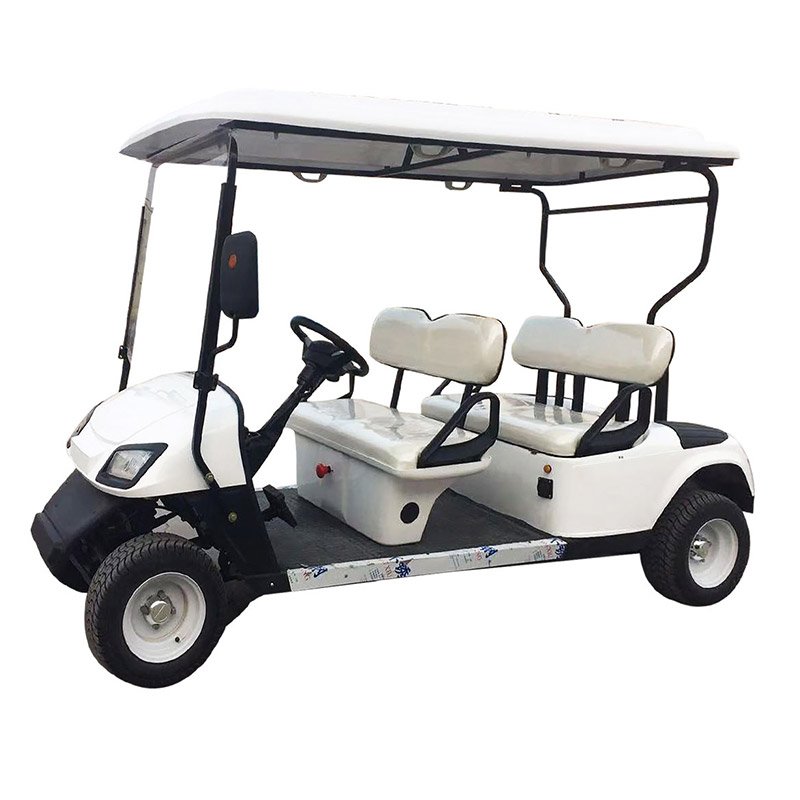
MV-A4 · Catalogue configuration
MV-A4 4 Seater Golf Cart
Discuss the exact proposed configuration and obtain verified information before consulting on a change.

MV-A6 · Catalogue configuration
MV-A6 6 Seater Golf Cart
Discuss the exact proposed configuration and obtain verified information before consulting on a change.

MV-A8 · Catalogue configuration
MV-A8 8 Seat Golf Cart
Discuss the exact proposed configuration and obtain verified information before consulting on a change.
Discuss your fleet requirements
Tell us your passenger needs, quantity, operating location and delivery destination.

