
















































A golf cart passenger briefing card should present the approved instructions a passenger needs for that particular vehicle and service. Build it from the applicable manufacturer documentation and site procedure, then test whether staff can explain it and passengers can understand it. A generic safety poster should not introduce restraint, seating or exit advice that has never been checked against the actual configuration.
The card is a communication aid for resorts, campuses and managed properties. It is not a substitute for a trained driver, suitable boarding arrangements or a vehicle-specific operating manual. Its value is a consistent, understandable message before travel, with a clear way to raise a question when a passenger’s needs do not match the planned service.
Begin with the instructions that apply
Identify the vehicle or configuration group covered by the card. Collect the relevant passenger-related instructions from the supplied documentation and the site’s approved procedure. Where documents disagree or equipment differs, ask the responsible supplier or competent reviewer to resolve the issue before printing the card.
The manual revision control guide explains how to connect working information to the actual fleet. Use that reference discipline here. A useful card should have an identifiable source and owner, rather than becoming a detached sheet copied between properties.
HSE’s vehicle-safety overview includes vehicle suitability and safe access among broader workplace concerns. It is general UK guidance, not a passenger briefing approved for any MOVIVEX model. The exact vehicle instructions and applicable local arrangements govern the content.

Organize the message around the passenger journey
Separate information needed before boarding from information needed during travel and when leaving the vehicle. Keep each instruction in the part of the journey where staff can deliver it meaningfully. A long block of mixed rules is difficult to use when a group is waiting at reception.
Ask the responsible reviewer which instructions need a spoken explanation, a visible reminder or individual assistance. Do not rely on passengers reading small print at the moment of departure. The resort shuttle plan should identify the service context in which the message will be delivered.
| Card section | Question for the reviewer | Content boundary |
|---|---|---|
| Before boarding | What must the passenger know before approaching or taking a place? | Only approved vehicle and stop instructions |
| During travel | Which passenger behaviours require a clear reminder? | No invented restraint or equipment advice |
| Leaving the vehicle | How is the approved exit sequence explained? | Match actual configuration and site procedure |
| Questions | Who can resolve an uncertainty before travel? | Do not promise unassessed assistance |
| Document identity | Which vehicle group and revision does this cover? | Avoid a misleading universal card |
Use plain language without changing the meaning
Short sentences and familiar location names help staff explain the approved instruction. Remove unnecessary internal terminology, but retain conditions that affect meaning. Replacing a carefully limited instruction with an attractive slogan can make the card easier to read while making it less accurate.
HSE’s workplace communication guidance supports clear, understandable working information. Apply the principle through a review with the people who will actually give the briefing. Ask them what a passenger might misunderstand, not simply whether the page looks tidy.
If pictograms are used, verify that their meaning matches the approved text and actual vehicle equipment. A picture can imply a seating position or restraint arrangement that does not exist on the supplied cart. Have the artwork reviewed with the same care as the words.
Keep passenger instructions distinct from driver training
A passenger card cannot teach a driver to inspect the vehicle, select an approved route or manage an operating exception. Those responsibilities belong in the driver onboarding and authorization plan. Staff should understand where the passenger message ends and their own duties continue.
As a clearly attributed example, Cedarville University’s cart guidelines address seated occupants and keeping limbs within the vehicle. Their campus policy illustrates the kind of passenger issues a reviewer may consider; it is not adopted here as a universal script or local legal requirement.
Do not add instructions for children, mobility aids or restraints from memory. Where the expected passengers need a different arrangement, obtain an appropriate confirmed service plan. The card should direct questions to a responsible person rather than implying that every passenger requirement can be accommodated.

Plan language access and staff delivery together
Identify the languages and communication needs the service expects to encounter. Have translations checked for the intended meaning by someone suitably competent. A literal translation can lose an important condition, especially where the original text refers to a specific control, seat or boarding location.
Give staff a way to explain the card without improvising a new procedure. HSE’s competence guidance connects knowledge and training with practical application. Use a proportionate rehearsal to see whether the staff member can deliver the approved explanation and escalate an unanswered question.
Language access is only one part of a usable service. Review the actual boarding area and waiting arrangement so people can receive the message without blocking a walkway or being rushed toward the vehicle. The card does not itself establish an accessible pickup point.
Test a draft before producing working copies
Ask a reviewer unfamiliar with the draft to explain what it asks passengers to do. Include the people who supervise the shuttle and those who answer booking questions. Note unclear terms, assumptions about equipment and questions that the card leaves unresolved.
A fictional test might reveal that “wait for confirmation” does not identify whose confirmation is needed. The correction is to clarify the approved instruction with the responsible team, then revise all affected language versions. This is an illustrative review example, not a measured result from a MOVIVEX project.
HSE’s organising guidance provides general background on responsibilities and cooperation. In this workflow, name the card owner, the technical reviewer and the person responsible for issuing current copies. UK legal statements in that source retain their own scope.
Review the card when the service changes
Trigger a review when the covered configuration, passenger equipment, stop arrangement or applicable instructions change. Keep the issue date and configuration reference visible to staff. Remove superseded copies from active use while retaining the history needed to understand the change.
Baggage questions should link to the luggage acceptance assessment. Do not turn a passenger reminder into permission to carry an unassessed bag arrangement. A card can explain an approved decision; it cannot create the technical basis for that decision.
When discussing a MOVIVEX fleet, ask which passenger-related documents apply to the exact supplied configuration. Provide the intended duty and passenger requirements through the fleet enquiry page. The real catalogue cards below help start that discussion without claiming that one generic briefing covers every model.
Frequently asked questions
Can one card cover the whole fleet?
Only if its approved scope genuinely covers the relevant configurations and services. Identify differences that require a separate version rather than hiding them in vague wording.
Can a passenger video replace the card?
A video can support communication, but its content and availability must suit the actual service. Retain a practical way for staff to provide the current approved instructions and answer questions.
Should passengers sign the card?
That is a separate operational and legal decision for the organisation. A signature does not establish that the vehicle, instruction or service arrangement is suitable.
Who should approve a revision?
Use the roles defined in your document and operating arrangements, including appropriate technical review where vehicle-related instructions change. Do not let an unreviewed design edit alter meaning.
Related video: golf cart safety communication example
This DistrictGov golf cart safety video was published as a 2014 educational resource. Use it as an example of a public safety communication format, not as current legal advice or the approved passenger instructions for your exact vehicle. Review any message against the applicable manuals and present site procedure.
Third-party educational video by DistrictGov. Watch on YouTube
Explore related MOVIVEX golf carts
Use these existing catalogue vehicles as starting points for a configuration discussion. Confirm the ordered specification and support scope in writing.
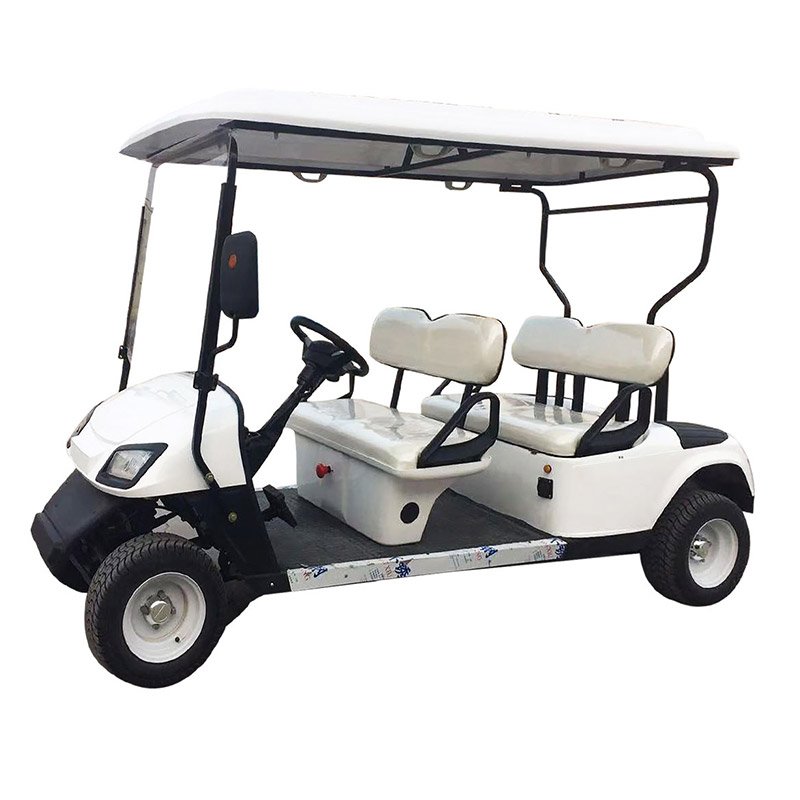
MV-A4 · Catalogue configuration
MV-A4 4 Seater Golf Cart
Ask which passenger-related instructions apply to the supplied configuration.

MV-A6 · Catalogue configuration
MV-A6 6 Seater Golf Cart
Ask which passenger-related instructions apply to the supplied configuration.
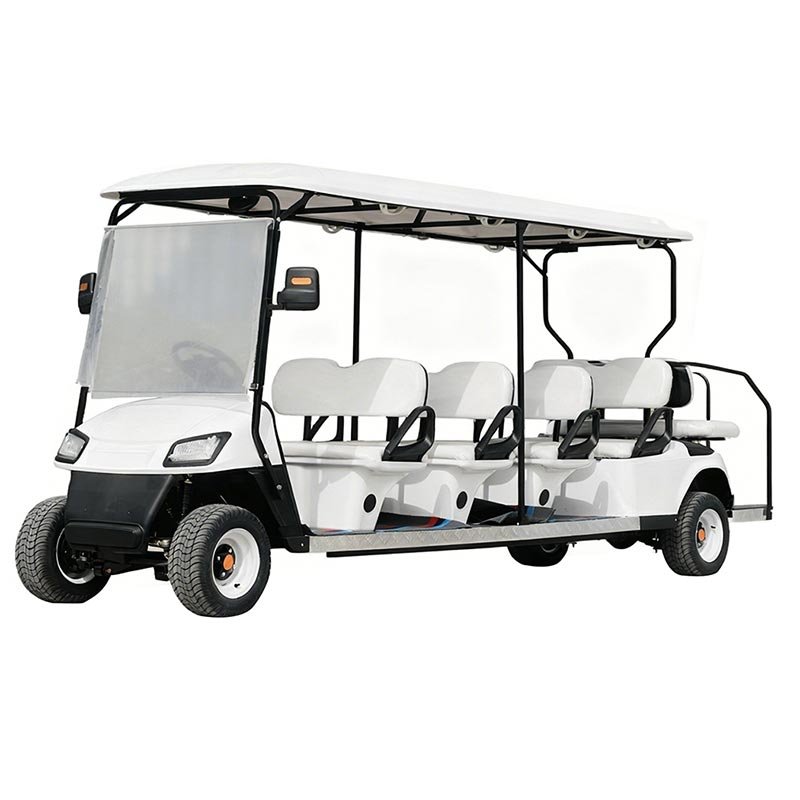
MV-A8+2 · Catalogue configuration
MV-A8+2 10 Seater Golf Cart
Ask which passenger-related instructions apply to the supplied configuration.
Discuss your fleet requirements
Tell us your passenger needs, quantity, operating location and delivery destination.

