




A workable golf cart fleet charging schedule begins with the next dispatch deadline, not with a guess about how many vehicles can park near a socket. List each vehicle’s return window, approved charging arrangement, required readiness time and responsible staff member. Then build a rotation that respects the actual equipment instructions and the site’s confirmed electrical capacity. Keep an exception process for late returns and unavailable vehicles.
For a multi-shift resort or campus fleet, the main problem is coordinating availability. This guide addresses the planning record and handoff between shifts. The existing charging and battery-care guide addresses adjacent ownership questions; neither article replaces the instructions supplied for the ordered battery and charger.
Map the duty windows before assigning charging slots
Start with a vehicle-by-vehicle roster rather than an average fleet operating day. Record the earliest likely return, latest acceptable dispatch and duties that cannot be moved. Include the time needed for the site’s normal return checks and assignment handoff. A vehicle arriving at the parking area is not automatically ready for a different shift.
Use observed return times when available and label assumptions when they are not. If a reception shuttle regularly returns later than planned, a timetable built around its theoretical finish time will be fragile. The MOVIVEX fleet planning page can help frame the required passenger duties, while your local roster determines the available scheduling windows.
The Department of Energy’s managed charging guidance discusses manual scheduling around vehicle arrival and departure. Apply that as a general planning idea. Its road-EV equipment discussion does not confirm that a particular golf cart accepts road-vehicle charging hardware or any specific charging method.
Confirm the physical constraints with the right people
List the exact vehicle, battery and charger pairing for every assignment. Obtain the applicable instructions and confirm the approved connection and operating arrangement with the supplier. Different catalogue vehicles may have different ordered configurations. Similar appearance, a shared series name or an available outlet does not prove that equipment is interchangeable.
Ask an appropriately qualified electrical professional to confirm the site’s usable charging capacity and installation requirements. The planner needs a clear operational limit for simultaneous approved charging assignments; the planner should not determine circuit ratings, improvise extension arrangements or infer capacity from the number of visible outlets. Keep technical approval separate from a dispatch spreadsheet.
DOE’s smart charge management implementation guidance identifies fleet schedules and electrical infrastructure as planning inputs. Here that supports coordinating the fleet and facility teams. It does not establish a charging system design for golf carts. Confirm all equipment-specific and location-specific requirements independently.
Build a rotation table that exposes assumptions
Use one row per scheduled vehicle assignment. Include the return window, assigned location, staff owner, readiness deadline and evidence used to confirm completion. Do not enter a universal charging duration or fixed battery percentage just to make the table look complete. Insert equipment-specific requirements only after they have been confirmed.
The following table is an illustrative administrative layout. Its times describe hypothetical shift windows, not charging duration, battery performance or an actual MOVIVEX customer operation. Replace them with your own duty data and approved equipment constraints before assigning vehicles.
| Illustrative assignment | Return window | Next readiness deadline | Planning action |
|---|---|---|---|
| Reception vehicle A | After the morning duty | Before the afternoon dispatch | Confirm whether the available window supports the approved charging plan |
| Campus vehicle B | After the afternoon duty | Before the evening assignment | Review actual return variation before reserving a location |
| Reserve vehicle C | Depends on interruption response | Before any replacement assignment | Keep readiness visible and recheck after reserve use |
| Vehicle with an open issue | Recorded separately | No assumed dispatch release | Follow the authorized issue and return-to-service process |
Make conflicting assignments visible. If two vehicles need the same approved location at overlapping times, the plan contains a real constraint even when the roster has enough vehicles overall. Resolve it by reviewing duties, return windows or approved infrastructure with the responsible teams. Do not solve a spreadsheet conflict by assuming unsupported faster charging.
Use clear readiness states at the dispatch desk
Separate “returned,” “charging assignment started,” “completion checked,” “available for dispatch” and “unavailable.” These labels describe administrative states; the actual criteria for completion and release come from the relevant instructions and site process. Avoid one green cell that can mean several different things to different shifts.
Record who updated a state and when. If the readiness deadline changes, preserve the earlier assignment and the reason for the change. Fleetio’s vehicle overview documentation provides general context for linking assignments and issues to a vehicle. The same principle can be used in a shared roster without adopting its software.
Keep the vehicle identifier prominent. A model name is useful for purchasing discussions, but it is not a unique dispatch identity when several units share that model. Connect any open issue to the fleet service log so the next shift can distinguish a scheduling delay from a vehicle that requires attention.

Plan the response to a late return or missed slot
Choose a named person who can change the rotation during the shift. When a vehicle returns late, record the revised available window and reassess the next assignment using the approved process. A missed slot should create a visible exception, not a silent assumption that the next operator will find the vehicle ready.
Reserve vehicles may help cover an interruption, but their own readiness must be tracked. Refer to the backup cart planning guide for assignment questions. A reserve vehicle that has just covered a demanding duty cannot automatically retain the same status it had before dispatch.
Include an escalation path for equipment faults or unavailable charging locations. Record the issue, notify the authorized person and follow the applicable instructions. Do not bypass controls to keep the roster on time. If a duty cannot be covered, document the service adjustment and the decision owner rather than presenting an unconfirmed vehicle as available.
Related video: managed charging and fleet scheduling
This independent panel discusses managed charging for road-EV fleets. Focus on scheduling and coordination ideas; its hardware examples do not establish golf cart charger compatibility or performance.
Third-party educational video by Electric Autonomy. Watch on YouTube
Review the schedule against actual operations
After a representative operating period, compare planned return windows with observed returns, missed slots and dispatch exceptions. Look for recurring causes: a route that finishes late, a handoff that lacks an owner, or a vehicle assignment that changes frequently. These observations support improving the roster without inventing a claim about battery life or energy savings.
Fleetio’s reporting overview describes reviewing assignments, issues and service records. Use that as administrative context for a weekly review. A simple table can show whether the same planning conflict keeps recurring; it should also show where the evidence is incomplete.
Energy tariffs may matter where the local tariff includes time-dependent charges, but confirm the actual tariff before making a cost claim. DOE’s managed charging overview provides broader planning context. This article does not recommend bidirectional charging for golf carts or promise financial savings from a particular rotation.
Include scheduling questions in the purchasing brief
When comparing MOVIVEX catalogue vehicles, ask for the exact supplied battery and charger documentation and the information needed to plan your duty windows. Keep questions tied to the ordered configuration, location and passenger assignment. Do not infer charging capability from seating capacity.
Send a fleet enquiry with quantities, proposed shifts, return windows and site constraints. Ask which requirements need supplier confirmation and which require a local facility assessment. A clear scheduling brief helps identify missing information before the vehicle roster depends on it.
Frequently asked questions
Can all carts share one charging schedule?
A shared roster is useful, but each assignment must reflect the exact approved vehicle and charger arrangement. Do not assume identical charging requirements across different ordered configurations.
How many carts can charge simultaneously?
That depends on the approved equipment and the site’s confirmed electrical capacity. Obtain the applicable technical assessment; outlet count alone does not establish an allowable simultaneous load.
Should the lowest displayed battery reading always get priority?
Use the applicable instructions and an approved dispatch policy. A display reading alone does not establish readiness for a duty, and scheduling priority must also account for confirmed departure needs and open issues.
What is the most useful first improvement?
Create a vehicle-specific roster with return windows, next dispatch deadlines and a named owner for every change. Confirm the equipment constraints before turning the roster into an operational charging plan.
Explore related MOVIVEX golf carts
Use these existing catalogue vehicles as starting points for a configuration discussion. Confirm the ordered specification and support scope in writing.
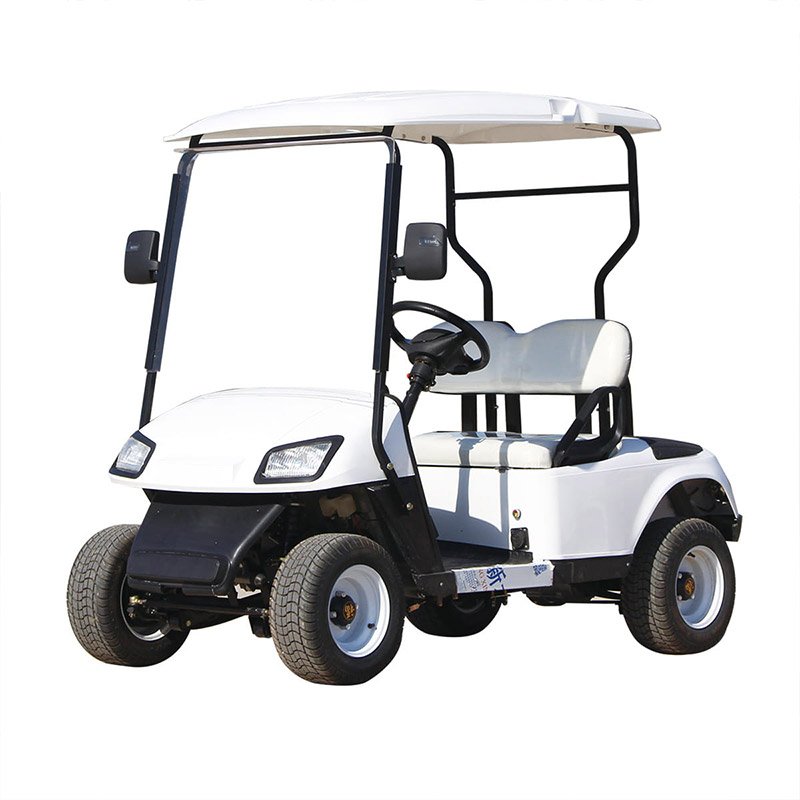
MV-A2 · Catalogue configuration
Carro de golf eléctrico MV-A2
Ask for the exact battery and charger documentation needed to plan your operating windows.
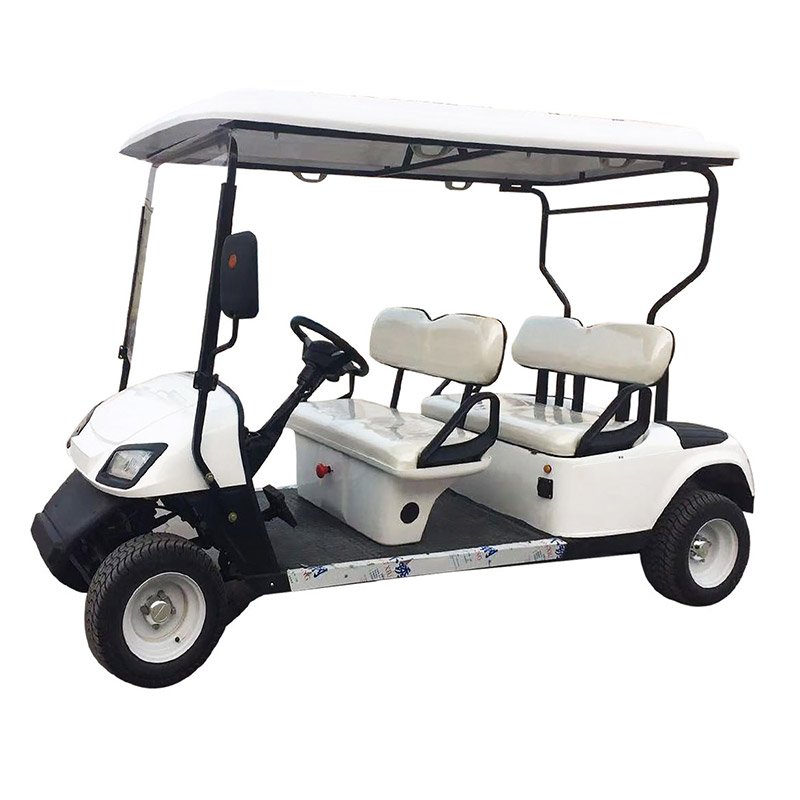
MV-A4 · Catalogue configuration
Carro de golf MV-A4 de 4 plazas
Ask for the exact battery and charger documentation needed to plan your operating windows.
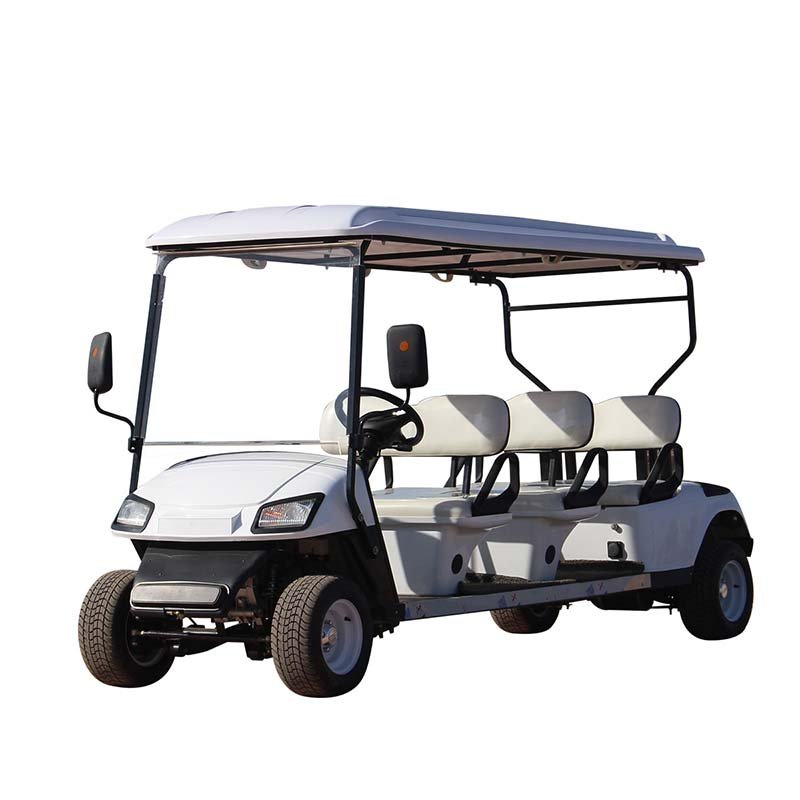
MV-A6 · Catalogue configuration
Carro de golf MV-A6 de 6 plazas
Ask for the exact battery and charger documentation needed to plan your operating windows.
Discuss your fleet requirements
Tell us your passenger needs, quantity, operating location and delivery destination.