




Before assigning a golf cart to a night shuttle, review the actual route in the conditions in which the service will operate. Identify dark transitions, glare, pickup points and pedestrian interactions, then refer unresolved questions to the responsible site and vehicle reviewers. Keep a record of the approved operating arrangement and any restrictions. A daytime route approval does not establish that the same assignment is suitable after dark.
This guide organizes a lighting review; it does not specify illumination levels, authorize a vehicle modification or certify a route. Use the exact supplied vehicle instructions, competent facility assessment and applicable local requirements. Connect the review to the wider resort shuttle plan, while keeping the night-specific observations identifiable.
Define the night assignment before the review
List the destinations, pickup points and operating periods proposed for the service. Include the planned vehicle configuration and the route version. A short transfer between illuminated entrances differs from a route that passes landscaped paths or service areas. Record that distinction rather than describing the entire property as one night route.
Identify who owns the facility assessment, the vehicle questions and the operating decision. A purchasing coordinator can organize records without being the person qualified to determine lighting suitability. Assign each unresolved question to the appropriate reviewer and retain the decision rather than assuming agreement because several departments attended a meeting.
The UK HSE workplace transport lighting guidance provides general context for reviewing visibility. It does not establish a universal golf cart lighting specification. Use it to frame questions for the competent site review, not to infer that the presence of a lamp or vehicle headlight proves suitability.

Observe actual darkness and changing conditions
Arrange the review through the site’s approved process and observe the relevant operating conditions from an appropriate safe position. Record the date, time, weather and lighting state. A route photographed before sunset may miss the conditions that passengers and operators encounter later in the service period.
Describe transitions between areas as well as isolated dark spots. An entrance may appear bright while the adjoining path is difficult to interpret. Record what was observed without assigning an unsupported technical cause or deciding a numerical lighting target. The qualified reviewer needs the location and conditions before assessing a remedy.
Note temporary conditions such as a maintenance closure, an event setup or a lamp reported out of service. These may change the approved arrangement. Link the observation to the current map so the next reviewer can find the same point without relying on a vague note that the route is dark near a building.
Review glare and visual conflicts
Record sources that interfere with the intended view, including bright entrances, illuminated displays or other traffic where relevant to the assessment. A location can have considerable light while still presenting a visibility question. Keep the record focused on the actual view and refer the technical interpretation to the facility reviewer.
Do not solve an observation by improvising vehicle lights, attaching accessories or changing their settings outside the supplied instructions and approved process. If the proposed vehicle configuration raises a question, ask the supplier for the relevant documentation. A route review does not authorize an electrical modification.
The HSE traffic-route resource provides general workplace context for considering route conditions and movement. Here the practical output is a location-specific question and a documented decision. Do not copy requirements for another vehicle environment into a golf cart operating plan.
| Review location | Observation record | Follow-up question |
|---|---|---|
| Route transition | Location, time and conditions | Can the proposed assignment be assessed and approved here? |
| Pickup point | Waiting, boarding and pedestrian movement | Does the arrangement remain usable after dark? |
| Sign or decision point | Message and visibility under actual conditions | Can users identify the current instruction? |
| Temporary change | Work area, failed lighting or event setup | Does the existing approval need review? |
| Unresolved item | Owner, action and decision reference | What restriction or alternative applies meanwhile? |
This is an illustrative observation table. It contains no universal lighting level or clearance. Add the measurements and conditions required by the competent assessment, preserving their source and meaning rather than entering estimated values as if they were verified results.
Examine stops and pedestrian interactions
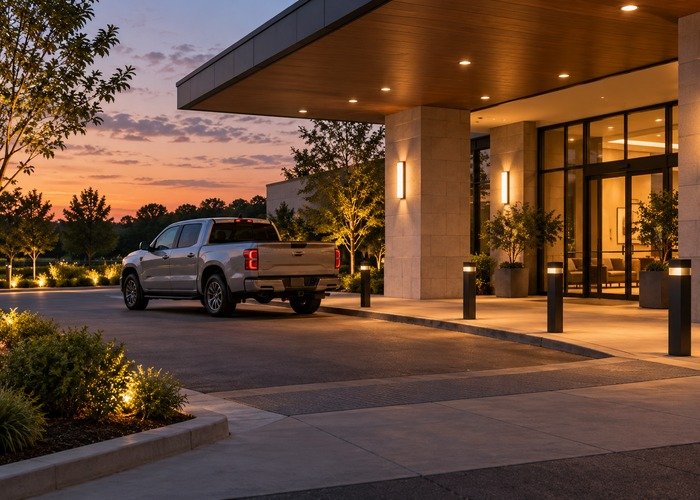
Review where passengers wait, approach and board under the actual night arrangement. Consider people continuing past the stop as well as shuttle users. A pickup position that appears orderly in daylight may need a different assessment when nearby buildings close or pedestrian routes change.
The HSE pedestrian separation guidance provides general context for reviewing vehicle and pedestrian interactions. The applicable site assessment determines the arrangement. This article does not prescribe a crossing design or establish that passengers can use a particular stop.
Connect any stop change to the existing boarding queue plan. Waiting areas, overflow messages and staff responsibilities should describe the night arrangement actually approved. Avoid leaving daytime guest information in place when the service uses another reviewed pickup point after dark.
Check that instructions remain understandable
Review the decision points at which operators and passengers need information. Record whether the current sign or service message can be identified in the observed conditions. Keep the sign reference and route version together so a change can be tracked without confusing it with a different location.
The HSE signs and markings guidance supports considering consistent messages. A visible sign does not by itself resolve a lighting or route concern. Ask the relevant reviewer to assess the whole arrangement, including the movement and information the sign is meant to support.
Brief staff on the approved night route and the action for a changed condition. They need a current contact and a clear escalation route if the arrangement cannot be used as intended. Do not leave an operator to validate an unreviewed alternative while carrying passengers.
Related video: outdoor lighting and glare context
This outdoor lighting discussion explains glare and related visibility questions. Use it as context for your competent facility review; it does not establish a golf cart lighting specification or approve your route.
Third-party educational video by DarkSky Texas. Watch on YouTube
Record restrictions and close follow-up deliberately
For each open item, record the observation, responsible person and agreed interim arrangement. A repair request is different from a completed assessment. Keep the restriction visible until the authorized reviewer records the relevant decision and communicates the current operating position.
Fleetio’s reporting overview provides administrative context for connecting vehicle and issue information. A simple route action register can serve the relevant purpose here. Keep facility matters linked to, but distinct from, the vehicle service log.
Where a changed route needs another controlled assessment, retain the earlier record and add the outcome. The route acceptance plan explains documenting assessment scope. Do not rewrite the original observation to make it appear that an issue never existed.
Discuss night duties before selecting a configuration
When considering MOVIVEX catalogue vehicles, describe the proposed duties and ask for the relevant supplied equipment information. Product photography does not establish suitability for a specific night assignment or compliance with local operating requirements.
Record confirmed requirements and unresolved site questions in your fleet planning brief. When you request a quotation, distinguish the supplier documentation needed from decisions that require a competent local facility review.
Frequently asked questions
Does a daytime route approval cover night operation?
Do not assume that. Review the actual night conditions and obtain the applicable operating decision for the proposed assignment.
Can vehicle headlights replace a facility review?
No. Review the actual vehicle instructions and the route, stops and pedestrian interactions through the relevant qualified process.
Should staff install extra lights to solve glare?
Do not improvise modifications. Record the concern and obtain the appropriate facility and supplier guidance for the exact equipment.
What should a completed review retain?
Keep the route version, conditions, observations, reviewer decisions, restrictions and communication record, including unresolved follow-up.
Explore related MOVIVEX golf carts
Use these existing catalogue vehicles as starting points for a configuration discussion. Confirm the ordered specification and support scope in writing.
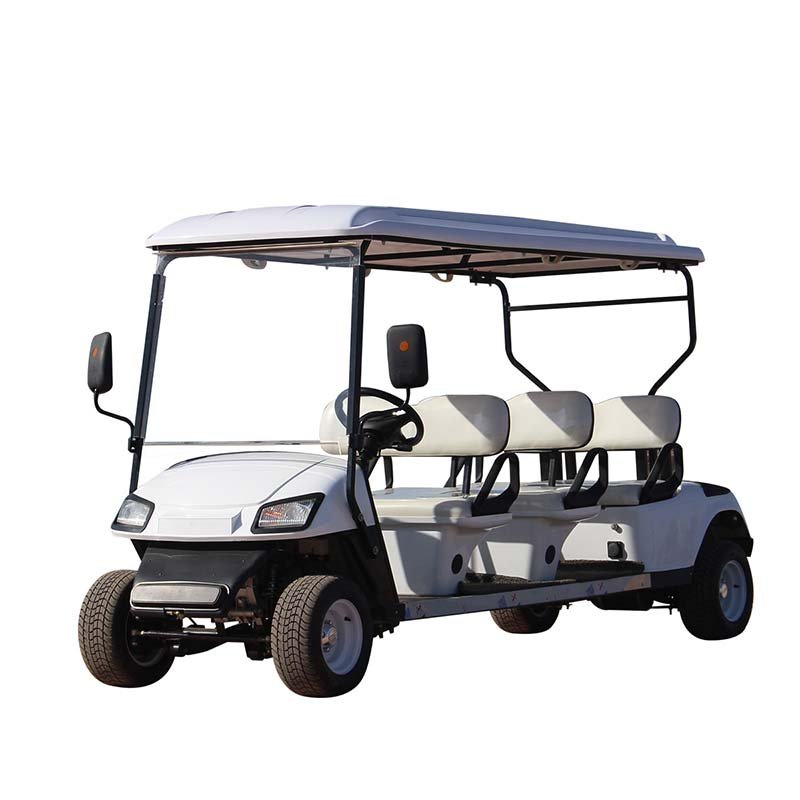
MV-A6 · Catalogue configuration
Carro de golf MV-A6 de 6 plazas
Ask for the supplied equipment information relevant to your reviewed night assignment.
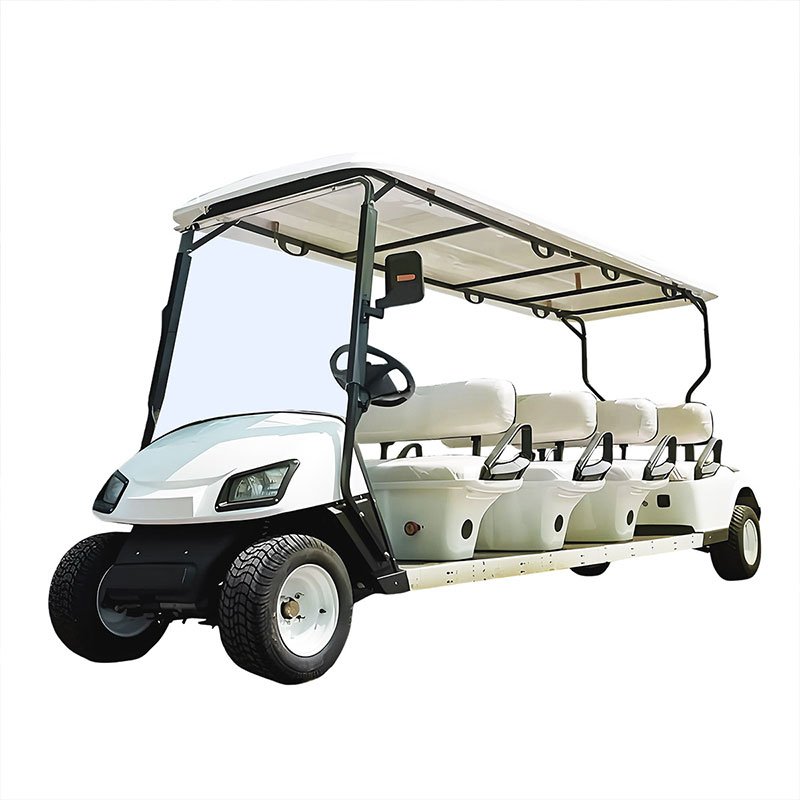
MV-A8 · Catalogue configuration
Carro de golf MV-A8 de 8 plazas
Ask for the supplied equipment information relevant to your reviewed night assignment.
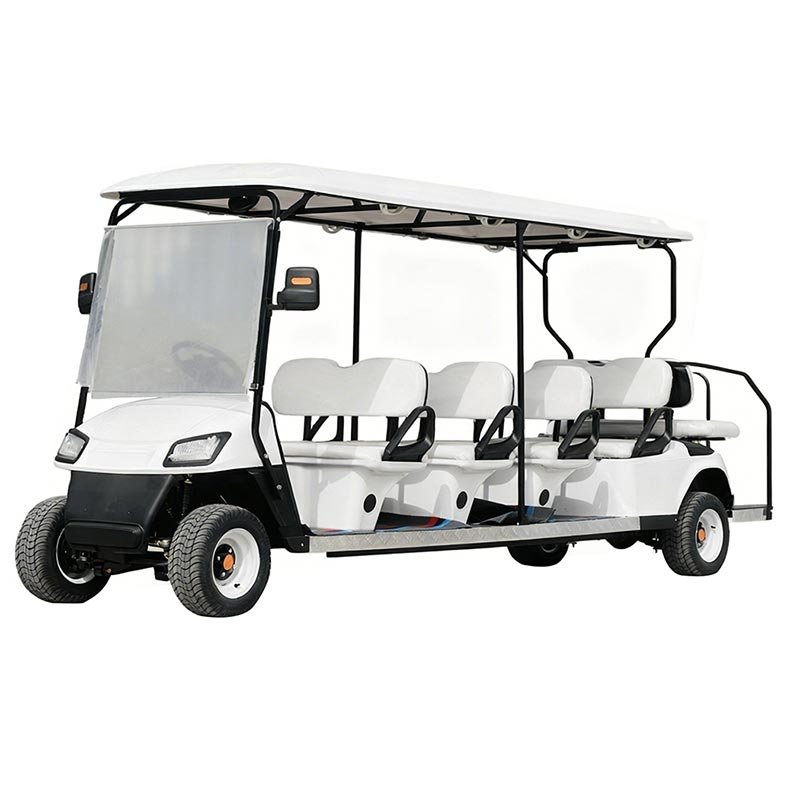
MV-A8+2 · Catalogue configuration
Carro de golf MV-A8+2 de 10 plazas
Ask for the supplied equipment information relevant to your reviewed night assignment.
Discuss your fleet requirements
Tell us your passenger needs, quantity, operating location and delivery destination.