




A golf cart shuttle detour should be a reviewed temporary operating arrangement, not a route improvised when a driver reaches a barrier. Identify the blocked link, check how destinations remain accessible, review vehicle and pedestrian conflicts, and communicate one current route version. Name the people who approve the temporary arrangement and restore the original route when work is complete.
This article concerns change management during property maintenance. It does not provide universal route dimensions, gradient limits or an approval for a particular vehicle. Connect the temporary plan to the campus and community planning guide and the actual vehicle instructions.
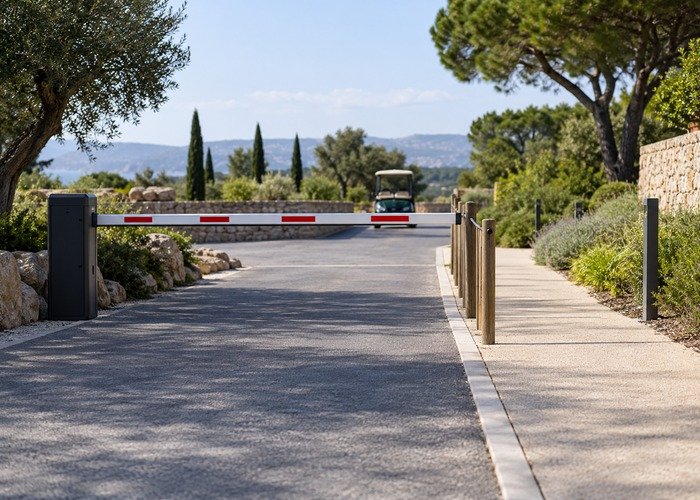
Describe the closure as a change to the network
Record the affected route link, the work area and the destinations normally reached through it. Include the pickup points and pedestrian entrances whose access may change. A barrier location alone does not explain the effect on the service: a short closure can alter several assignments if it sits between a dispatch yard and a passenger stop.
Give the change a reference, a start condition and a responsible contact. If the work schedule is uncertain, say so. Do not enter a planned reopening time as a confirmed operating permission. The route should remain subject to the authorized review process until the relevant decision is recorded.
The UK HSE traffic-route guidance provides general workplace context for considering how routes are used. Its principles support a structured review, but the site, jurisdiction and approved vehicle configuration determine the actual arrangement.
Review the alternative before sending vehicles onto it
Map the proposed route and identify the changes from normal operation. Consider destinations, stop positions, pedestrian movement and other site traffic through the appropriate assessment. Do not assume that an existing walking path is suitable for vehicles or that a shortcut can support the intended passenger assignment.
Check the alternative against the supplied vehicle instructions and any relevant site restrictions. If an important operating question cannot be confirmed, keep it open and refer it to the responsible qualified person. A temporary maintenance closure is not permission to exceed the documented use of a cart.
The HSE guidance on pedestrian and vehicle separation supports reviewing changed interactions. It is general UK workplace context, not a certification of the detour. The useful outcome is a documented local decision about the actual movements introduced by the change.
Keep destination access and stop changes explicit
List each normal stop and mark whether it remains served, moves under an approved arrangement or requires a different service response. Passengers need to know where to wait before a vehicle arrives. Avoid a situation where the driver understands the detour but guest information still points to a closed pickup location.
Consider people reaching the service on foot, including those who require an appropriate accessible arrangement. Obtain the relevant facility review rather than assuming a temporary sign resolves a barrier. Where an alternative is required, define it through the approved site process and communicate it clearly.
Keep luggage handling and passenger assignments connected to the approved stop. A new vehicle approach may change the boarding arrangement or interact with another entrance. Record that question and its decision rather than treating the entire detour as one unchecked line on a map.
| Temporary change | Evidence to record | Decision owner |
|---|---|---|
| Blocked route link | Work boundary, affected destinations and change reference | Property operations contact |
| Proposed alternative | Current map and assessment questions | Authorized route reviewer |
| Pickup arrangement | Stops served, approved changes and rider messages | Service coordinator |
| Driver briefing | Route version, restrictions and reporting contact | Fleet supervisor |
| Restoration | Reopening decision and removal of obsolete instructions | Named reopening owner |
This is an illustrative change record, not a technical route approval. Add the actual conditions and documentation required by the responsible reviewers. A blank field should stay visible as an unresolved item, not be interpreted as approval.
Resolve signs and messages at decision points
Review the points where people choose a direction, not only the closure itself. Drivers need the current route before reaching a blocked link, and passengers need the current pickup information before waiting at an old stop. Keep the same stop names and route references in the dispatch roster and public service message.
Identify who installs, checks and removes temporary signs under the approved process. Resolve conflicts with permanent messages where the temporary arrangement changes their meaning. A sign that remains after restoration can confuse the next shift as much as a missing sign during the closure.
The HSE signs and markings guidance provides general context for consistent workplace instructions. Apply it through the site’s review rather than copying sign placement or dimensions from a different vehicle environment.

Brief operators on the actual change
The briefing should identify the route version, approved stops, operating restrictions and the contact for an unexpected condition. Give staff a way to check the current arrangement when a maintenance schedule changes. Do not depend on a message passed informally from one driver to another.
Review any changes in maneuvering with the appropriate site assessment. The HSE reversing guidance provides general context for considering vehicle movement at a constrained location. This article does not authorize a maneuver or provide a golf cart reversing procedure.
Where a detour creates an unresolved vehicle or route question, pause the affected assignment under the site’s approved process and seek the responsible decision. Operators should not be expected to validate an unreviewed route while carrying passengers merely because the normal link is temporarily unavailable.
Related video: pedestrian separation when vehicle routes change
This workplace transport session discusses pedestrian separation and traffic management. Focus on the coordination questions relevant to a changed route; its warehouse and industrial-vehicle examples are not golf cart operating instructions or a detour approval.
Third-party educational video by Workplace Safety & Prevention Services. Watch on YouTube
Track exceptions while the detour is active
Record unexpected delays, conflicting messages, access problems and changes in the work boundary. Keep the observation linked to its time, route version and assignment. A delay caused by property work is not automatically evidence of a vehicle fault or a need for a larger fleet.
Use the fleet service log for vehicle issues and a linked temporary-route record for site changes. Keeping these separate helps the reviewer identify who owns the follow-up without losing the connection to the affected service.
Fleetio’s reporting overview illustrates organizing assignments and issues. A simple change register can provide the relevant traceability here. Record the decision and communication after a review, rather than silently editing the map and assuming all staff have seen it.
Close the change as carefully as it was opened
Name the person who confirms that the original route can resume under the applicable process. Completion of construction work and authorization to restore the service are separate facts. Retain the reopening decision, update the roster and remove or correct the temporary instructions.
If a detour affects reserve assignments, review the backup vehicle plan. If future property work changes the fleet requirement, record it in the fleet planning brief rather than treating a temporary workaround as a permanent specification.
When discussing MOVIVEX catalogue configurations, separate confirmed operating needs from route questions requiring local approval. Include the intended duty and unresolved conditions when you request a quotation. A catalogue vehicle does not establish that a particular temporary path is suitable.
Frequently asked questions
Can drivers choose a shortcut around maintenance work?
Use the approved temporary arrangement. An available path is not automatically suitable for the vehicle, passengers or site traffic.
Is a detour map sufficient on its own?
No. Connect the map to an authorized review, current stops, restrictions, communication and a named owner for changes and reopening.
Should the old pickup message remain visible?
Resolve conflicting instructions through the site’s approved process. Passengers and operators should receive one clear current arrangement.
When is the detour complete?
When the relevant reopening decision is recorded, the service information is updated and obsolete temporary instructions are removed or corrected.
Explore related MOVIVEX golf carts
Use these existing catalogue vehicles as starting points for a configuration discussion. Confirm the ordered specification and support scope in writing.
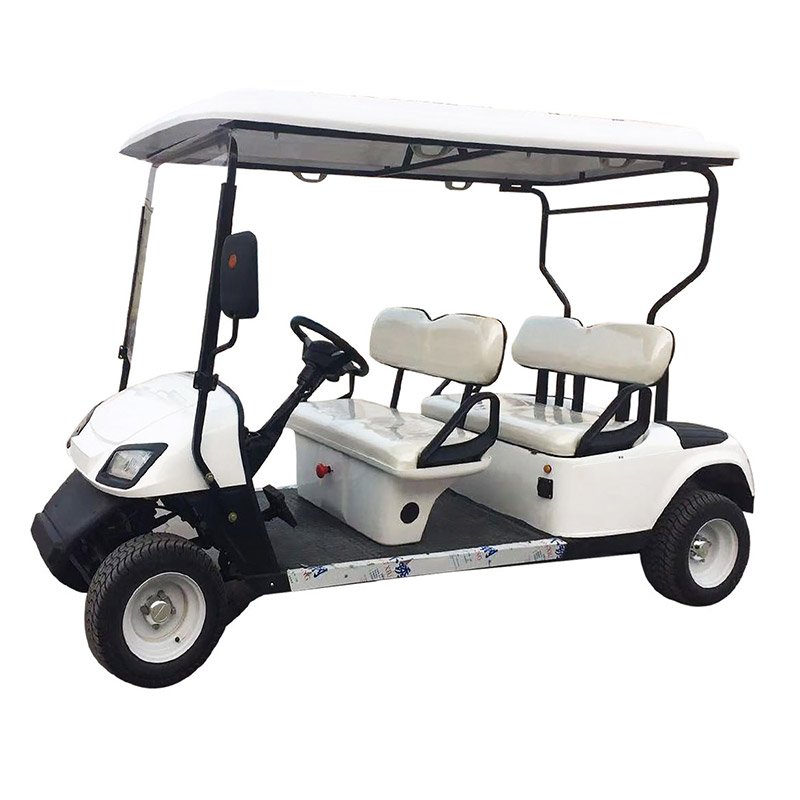
MV-A4 · Catalogue configuration
Carro de golf MV-A4 de 4 plazas
Discuss the confirmed assignment and documentation needed for your route review.
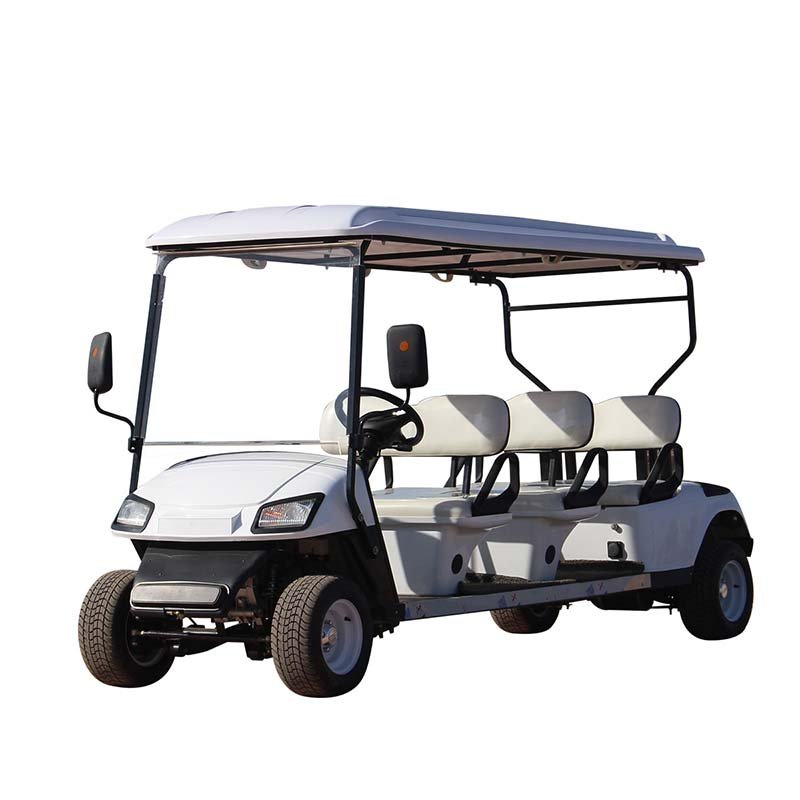
MV-A6 · Catalogue configuration
Carro de golf MV-A6 de 6 plazas
Discuss the confirmed assignment and documentation needed for your route review.
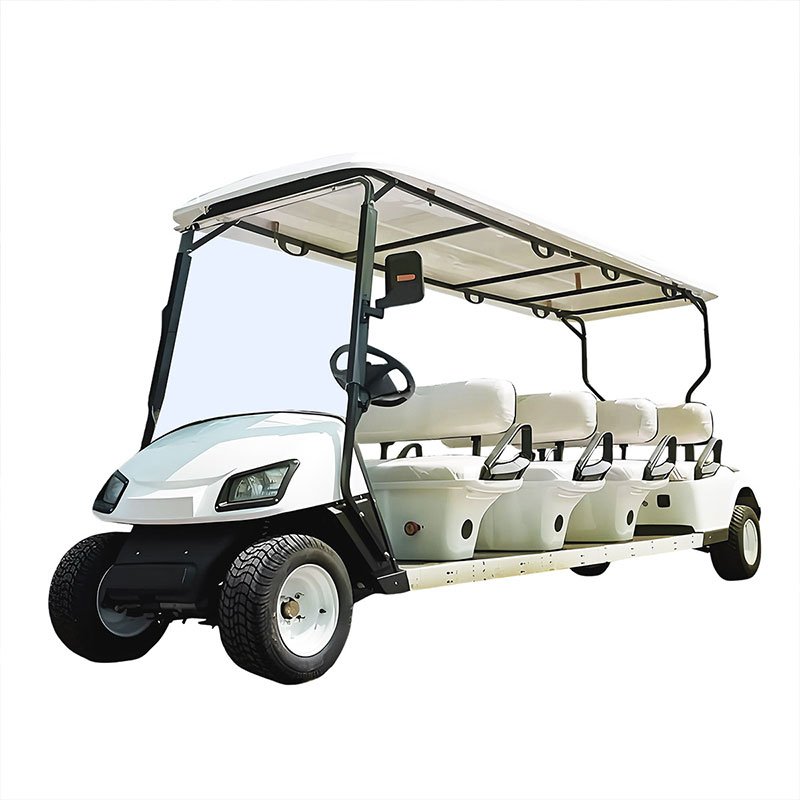
MV-A8 · Catalogue configuration
Carro de golf MV-A8 de 8 plazas
Discuss the confirmed assignment and documentation needed for your route review.
Discuss your fleet requirements
Tell us your passenger needs, quantity, operating location and delivery destination.