




A golf cart near-miss report should help the fleet understand what happened and decide whether the operating arrangement needs review. Make factual reporting straightforward, protect the original observations, involve the responsible qualified people and track the resulting actions. A report is the start of a learning process; it is not an automatic diagnosis, an allocation of blame or proof that a proposed control will work.
This guide addresses the workflow from observation to review and follow-up. It does not determine legal reporting duties or replace an appropriate incident investigation. Follow the site’s emergency, reporting and evidence procedures first, and obtain the relevant local advice for the actual circumstances.
Make the first report specific and usable
Give staff a clear reporting route and identify the person who receives it. Useful initial facts include the time, location, vehicle reference where known and what the reporter observed. Keep a distinction between firsthand observation, information supplied by someone else and an inference made afterward.
Do not require a reporter to know the technical cause before raising a concern. A note that a pedestrian and a vehicle approached the same constrained point is different from a conclusion that a driver, sign or vehicle caused the event. Preserve that distinction so the reviewer can evaluate the evidence.
The UK HSE learning resource provides general context for examining events and improving work systems. Use it to frame a review process, not to claim that a particular event has been investigated or that one person is responsible.

Separate immediate decisions from the later review
If the observation identifies an immediate concern, follow the site’s approved escalation and operating decision process. Name the person who can determine restrictions, an alternative assignment or further assessment. Do not ask a reporter to resolve a potentially unsafe condition through an improvised route or vehicle test.
Record the immediate decision and its scope. A temporary pause at one pickup point is not the same as closing every route. Conversely, a local restriction should not disappear from the roster simply because a later meeting has been scheduled. Keep the current operating position available to the people who depend on it.
Connect any temporary service arrangement to the detour change process. The event record preserves what was reported, while the route record controls the current arrangement. Do not overwrite the original report to make it describe the later approved route.
Preserve context without collecting unnecessary detail
Record the route version, assignment, relevant conditions and available supporting references. A photograph should have an understandable location and time reference where available. Avoid collecting unrelated personal information or publishing sensitive details in a general operating summary.
Keep original observations accessible to the authorized reviewer. If a later clarification is needed, add it with its source rather than silently changing the initial account. This makes it possible to understand what was known at each stage and avoids turning a developing explanation into a false original fact.
The HSE investigation workbook resource provides general context for structured investigation and learning. It is UK guidance with its own scope. Use an appropriately qualified review process for the actual event and jurisdiction rather than treating this article as a completed investigation method.
| Record stage | Information to retain | Decision supported |
|---|---|---|
| Initial observation | What was observed, where, when and by which source | How the concern is understood |
| Immediate response | Authorized action and operating scope | What arrangement applies now |
| Review | Evidence considered and unresolved questions | Which follow-up is appropriate |
| Action | Owner, agreed task and completion evidence | Whether the task has been implemented |
| Communication and review | Who received the change and how it is checked | Whether the operating process needs further attention |
This is an illustrative administrative record. It does not define a legal near-miss category or a universal retention period. Add the fields required by the actual site process and keep unanswered questions visible until the responsible reviewer resolves them.
Review the operating system as well as individual actions
Consider the conditions relevant to the event: the assignment, route, pedestrian movement, instructions and any temporary change. The reviewer should decide which evidence matters rather than applying the same assumed cause to every report. A repeated location may justify a focused review without proving that the location is the sole cause.
The HSE pedestrian and vehicle separation guidance provides general workplace context for examining interactions. It does not approve a particular crossing or barrier. Refer the actual layout question to the responsible competent person and retain the decision.
Where a stop is involved, compare the reported conditions with the boarding queue arrangement. Ask whether the plan in use was current and what changed. Do not assume that every passenger interaction should be solved by adding another vehicle or a larger waiting area.
Turn findings into owned, reviewable actions
Describe each agreed action clearly enough that its completion can be checked. Name the owner and the evidence expected. A request to improve awareness is less useful than an identified change to a briefing, review or controlled document with a responsible person and completion record.
Separate implementation from effectiveness. A sign may have been replaced or a briefing delivered, but further review may still be needed to understand the operating result. Do not claim that an action prevented future incidents merely because it was marked complete.
The HSE traffic-route resource provides general context for route-related questions. If the review proposes a layout change, obtain the relevant assessment and update the controlled route record. An action list is not permission to introduce an unreviewed route.
Related video: near-miss reporting and learning
This workplace reporting overview discusses factual near-miss information and follow-up. Apply the relevant site and local reporting process; it does not determine the legal duties or causes of an individual event.
Third-party educational video by SW SAFETY. Watch on YouTube
Connect vehicle concerns to the correct record
If the review raises a possible vehicle defect, use the fleet service log and the authorized assessment process. Record the observation without guessing a component failure. Keep the event record and technical follow-up linked so neither team assumes the other has closed the issue.
Fleetio’s reporting overview provides administrative context for connecting assignments and issues. A small fleet can use a simpler linked register. The goal is traceability from the observation to the decision and resulting operating information.
Keep the vehicle identity distinct from its catalogue model. Several units may share a configuration, and a report about one unit does not establish the condition of every similar cart. The key-control record can help identify an assignment without replacing the review of what actually occurred.
Communicate the current arrangement and retain learning
Tell the relevant staff what has changed, which operating instruction now applies and where to raise a further concern. Include temporary or visiting operators who may not have attended the review. Keep sensitive event details limited to the people authorized to receive them.
When a finding changes the purchasing requirement, document it in the fleet planning brief. Review MOVIVEX catalogue configurations against confirmed needs, without treating a new vehicle as a substitute for resolving an operating issue.
If you request a quotation, describe the confirmed assignment and the documentation needed from the supplier. Keep unresolved facility questions with the appropriate local reviewer. Do not turn an unverified event explanation into a product performance claim.
Frequently asked questions
Must a reporter identify the cause?
No. Ask for factual observations and their source. The appropriate review determines which explanations are supported and what remains uncertain.
Does a near-miss report automatically change a route?
No. Use the authorized decision process for immediate arrangements and any later change, keeping its scope and communication clear.
Is completing an action proof of effectiveness?
No. Retain implementation evidence and conduct the follow-up appropriate to the actual operating change.
How should a possible vehicle defect be handled?
Link it to the service record and authorized assessment process, preserving the original observation and current availability decision.
Explore related MOVIVEX golf carts
Use these existing catalogue vehicles as starting points for a configuration discussion. Confirm the ordered specification and support scope in writing.
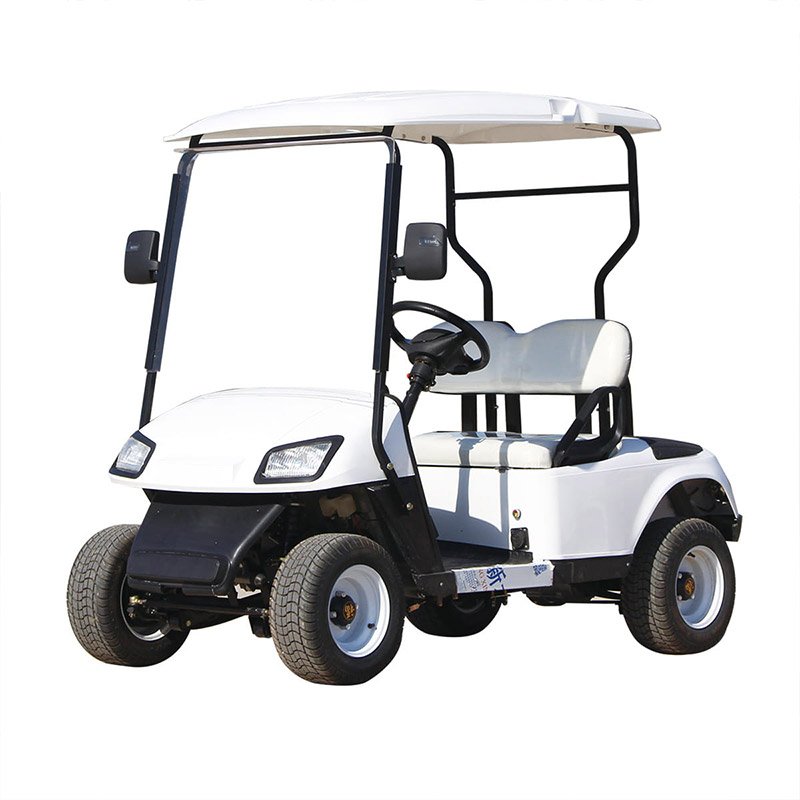
MV-A2 · Catalogue configuration
MV-A2 Electric Golf Cart
Ask for vehicle identification and documentation needed for your confirmed operating requirements.
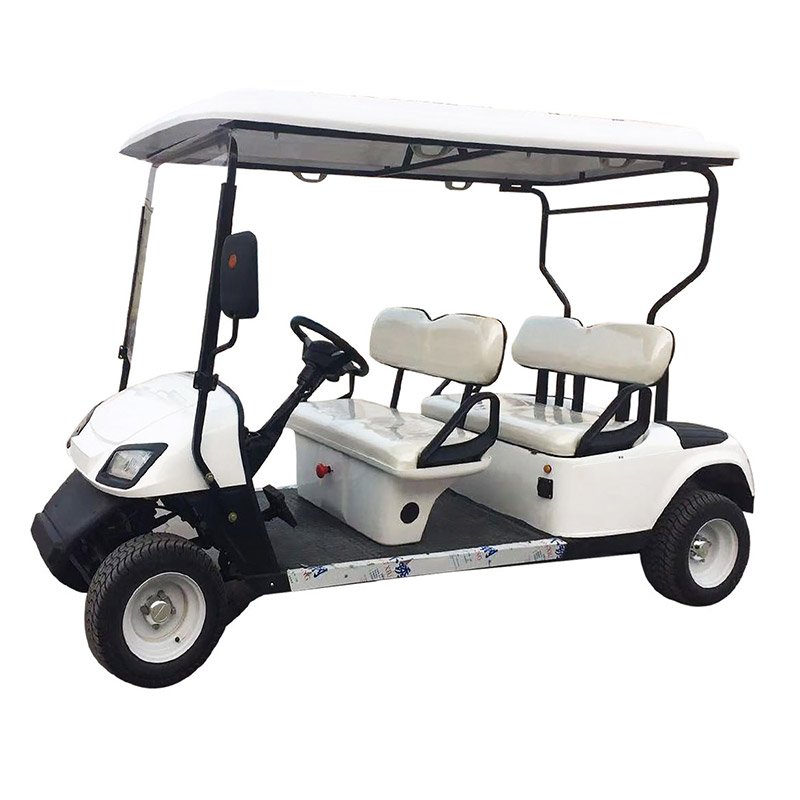
MV-A4 · Catalogue configuration
MV-A4 4 Seater Golf Cart
Ask for vehicle identification and documentation needed for your confirmed operating requirements.
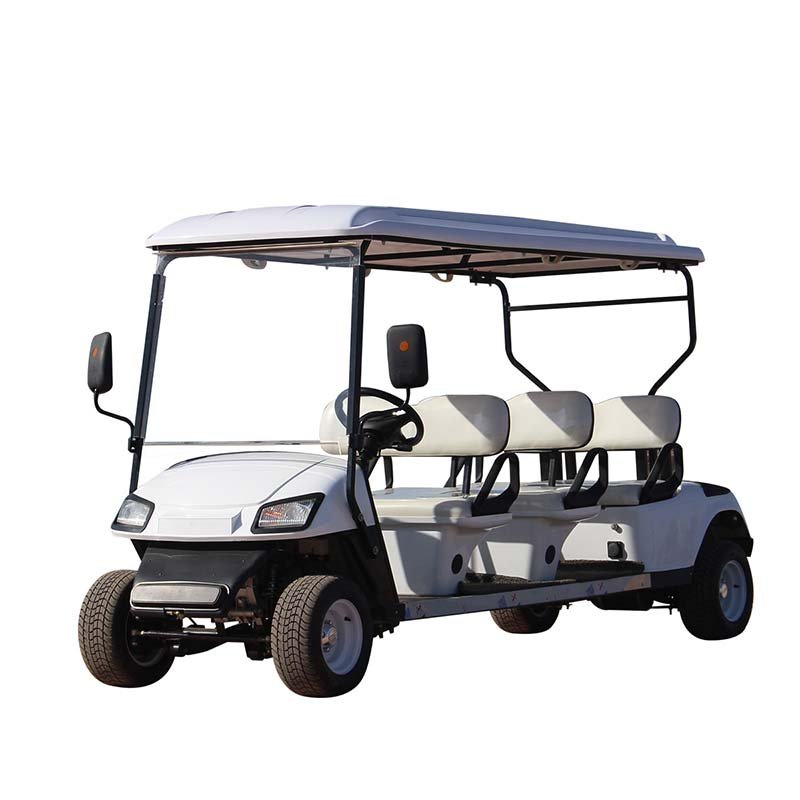
MV-A6 · Catalogue configuration
MV-A6 6 Seater Golf Cart
Ask for vehicle identification and documentation needed for your confirmed operating requirements.
Discuss your fleet requirements
Tell us your passenger needs, quantity, operating location and delivery destination.