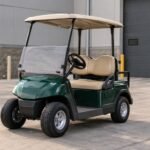




Compare electric golf cart fleet quotations by first making the vehicle specification, delivery scope and commercial assumptions identical. A lower unit price is useful only when you know what it includes. Put differences into an exceptions register, ask suppliers to price the missing items and keep unresolved items visible until you can make a defensible choice.
This guide is for buyers sourcing vehicles for golf courses, resorts, campuses and managed properties. It focuses on comparing offers before an order is signed. For the longer operating-life calculation, use the separate electric golf cart ownership-cost framework.
1. Give every supplier the same buying brief
Start with quantities, passenger layouts, intended routes and the operating conditions the supplier must evaluate. Describe the requirement in ordinary terms: who travels, where the vehicle goes, when it runs and what the service team can support. Add known constraints such as storage space, route access and charging arrangements. Ask the supplier to flag information needed to confirm suitability.
Keep the brief separate from a supplier’s catalogue. You may compare a four-seat configuration with another proposed layout, but record why either meets the same need. The seating-capacity guide can help structure that discussion. Do not treat a larger passenger count as an automatic upgrade.
Assign a revision number to the brief. If operations changes a requirement after quotations arrive, send the change to every participating supplier. A comparison based on different versions is difficult to defend, even when the spreadsheet looks complete.

2. Request an itemized offer
The International Trade Administration explains that a pro forma invoice can be used to quote a potential overseas sale. Use that structure to request a clear item description, quantity and agreed commercial details. It is a quotation document, not evidence that the supplier has already delivered the vehicles.
Ask for separate lines for vehicles, chargers, accessories, an initial parts package, packing, freight where included and other services. A supplier may legitimately bundle items, but the bundle should still identify its contents. Mark an omitted item as “not stated” rather than assuming that it is included or free.
| Comparison field | Supplier must identify | Buyer check |
|---|---|---|
| Vehicle configuration | Model, seating and approved specification | Matches the same brief revision |
| Battery and charging | Quoted battery configuration and charger | Compatibility confirmed for the proposed order |
| Accessories | Included items and optional items | Required equipment is priced |
| Delivery scope | Named destination and responsibility boundary | Remaining buyer costs identified |
| After-sales support | Written support and warranty terms | Coverage and exclusions understood |
| Validity and payment | Currency, validity and agreed milestones | Same evaluation date and assumptions |
3. Confirm what the delivery price covers
A vehicle price at one delivery point should not be compared directly with a price at another. Request the named location, the relevant delivery term and the version being used. The ICC’s Incoterms rules provide a shared vocabulary for delivery responsibilities; use the applicable contract and professional advice to resolve your specific transaction.
Ask the freight provider or import adviser to identify the costs outside the supplier’s offer. Keep estimates separate from confirmed charges. Do not label an offer “landed” merely because it includes international freight. Your destination, shipment arrangement and agreed scope determine what remains to be priced.
Record whether packing is included and how quantities and contents will be described. The government’s packing-list guidance is a useful reference for the document’s role. It does not tell you that a particular packing method is suitable for your carts; obtain that confirmation for the order itself.
4. Compare battery, charger and accessory scope
Descriptions such as “lithium”, “premium” or “heavy duty” leave important questions unanswered. Request the agreed specification and ask what evidence supports the proposed fit for your route. Avoid inserting a range or charging-time claim into the comparison unless its test conditions and relevance are clear.
Confirm the number of chargers, their intended electrical supply and who will check the site’s infrastructure. For context on operating routines, see fleet charging and battery care. Keep local installation work outside the vehicle quotation unless a defined service is explicitly included.
Make accessories visible. Weather protection, luggage provision, lighting and other requirements can change both price and configuration. Identify the exact options rather than relying on a photograph. A product illustration is not a substitute for a written list of what will be supplied.
5. Turn uncertainty into an exceptions register
Create one row for each departure from your brief. Record the supplier’s proposed alternative, its price effect, the operational consequence and who must approve it. “Awaiting clarification” is a useful status. Replacing it with a guessed value makes the offer appear more complete than the evidence allows.
For example, one offer may include an opening parts package while another offers parts separately. Do not assume either is better. Request the references, quantities, compatibility and delivery arrangement, then compare the usable package. The package should support your maintenance plan rather than simply increase the invoice value.
Keep clarification responses with the final quotation. If a salesperson confirms a detail in a message, ask that it be incorporated into the controlled offer or order specification. This helps purchasing, receiving and service staff work from the same record later.

6. Review payment, timing and support independently
The International Trade Administration’s export-sale guidance treats pricing, terms and payment as connected parts of negotiation. Your comparison should therefore show payment milestones and delivery assumptions alongside the purchase amount. Have your commercial team review the proposed arrangement rather than choosing a payment method solely because another supplier uses it.
Distinguish production readiness, dispatch and arrival. Ask what starts the lead-time estimate and which inputs you must supply first. Confirm how changes to colours, accessories or quantities affect the schedule. Keep the required site opening date separate from the supplier’s current estimate.
For support, request the written warranty scope, excluded uses, claims evidence and service process. An attractive warranty headline may be less useful if the local team cannot obtain the required diagnosis or replacement component. Evaluate the arrangements your operation will actually use.
Video: define the equipment before comparing the price
This short buyer overview highlights configuration questions such as seating, battery choices and accessories. Use it to prepare a common buying brief, then compare the written scope of each quotation.
Third-party buyer overview by Gary Abbott. The examples are not MOVIVEX specifications or commercial terms. Watch on YouTube
7. Build an illustrative comparison without invented prices
Use a worksheet with columns for the common brief, each supplier’s confirmed response, exceptions and clarification status. Keep a separate cost column for buyer-provided estimates, showing the source and date. Avoid mixing unknown costs with zero values. This distinction matters when a decision-maker scans the total rather than reading every note.
When you create an illustrative scenario, label it clearly and do not present it as a market price. A blank template is often more useful than an unsupported price range. Your own quantities, destination and configuration provide the basis for the real comparison.
The final decision record should explain why the selected offer meets the requirement, which exceptions were accepted and what remains conditional. Once agreed, carry the approved configuration into the purchase order and the pre-shipment inspection plan. Later, reconcile the transaction’s commercial invoice with the agreed commercial record.
Send MOVIVEX a comparison-ready request
Use Request a Quote to share your quantity, passenger configuration, operating setting, destination and required timing. Ask for itemized scope and identify which assumptions remain open. A precise brief gives the supplier a better basis for confirming a configuration and lets your team compare the response consistently.
Frequently asked questions
Should I select the lowest unit price?
First confirm that the offers cover the same requirement and delivery boundary. Resolve missing items and material exceptions before using price as the deciding factor.
Does a pro forma invoice replace the final order agreement?
It can communicate a proposed sale, but your commercial team should confirm the documents and terms used for the agreed transaction. Ensure the approved configuration and negotiated changes are recorded consistently.
What if a supplier cannot confirm a specification?
Leave the item open, explain why it matters and request the evidence needed for a decision. Do not turn an unconfirmed feature into a promised capability in the comparison or purchase order.
Explore related MOVIVEX golf carts
Start with a consistent passenger requirement and request a clear, itemized offer for the configurations you want to compare.
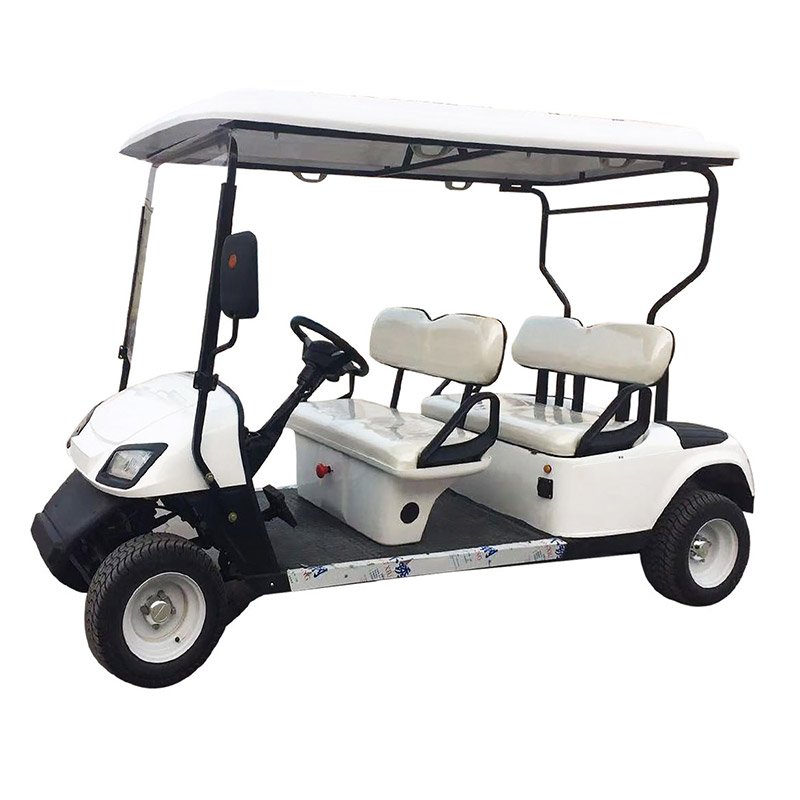
A Series · Four seats
MV-A4 4 Seater Golf Cart
Use this four-seat configuration as a starting point for an itemized fleet offer.
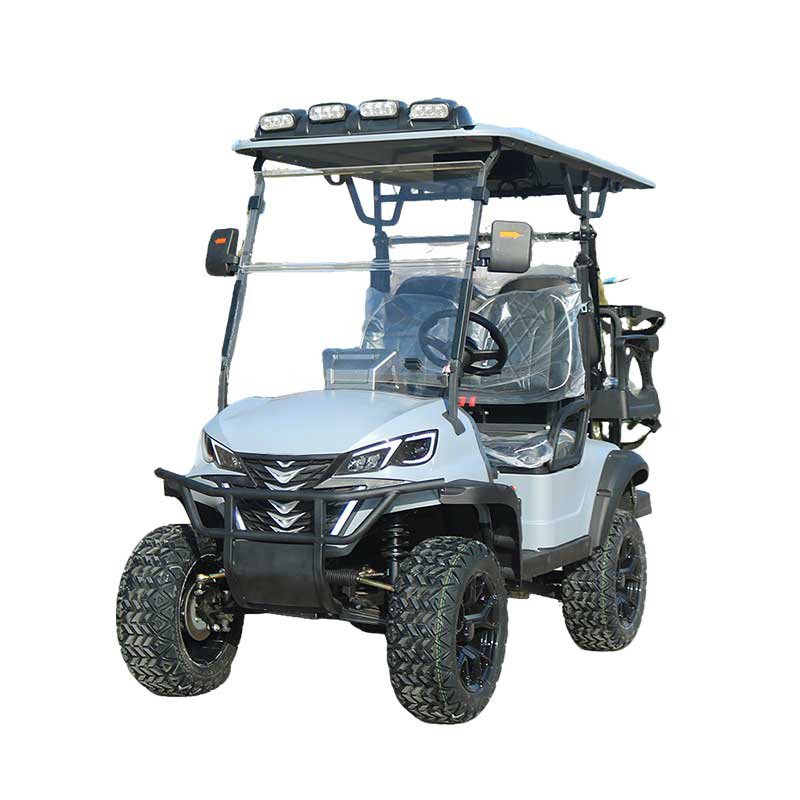
C Series · Four seats
MV-C2+2 4 Seater Golf Carts
Compare the seating layout and quoted equipment against the same operating brief.
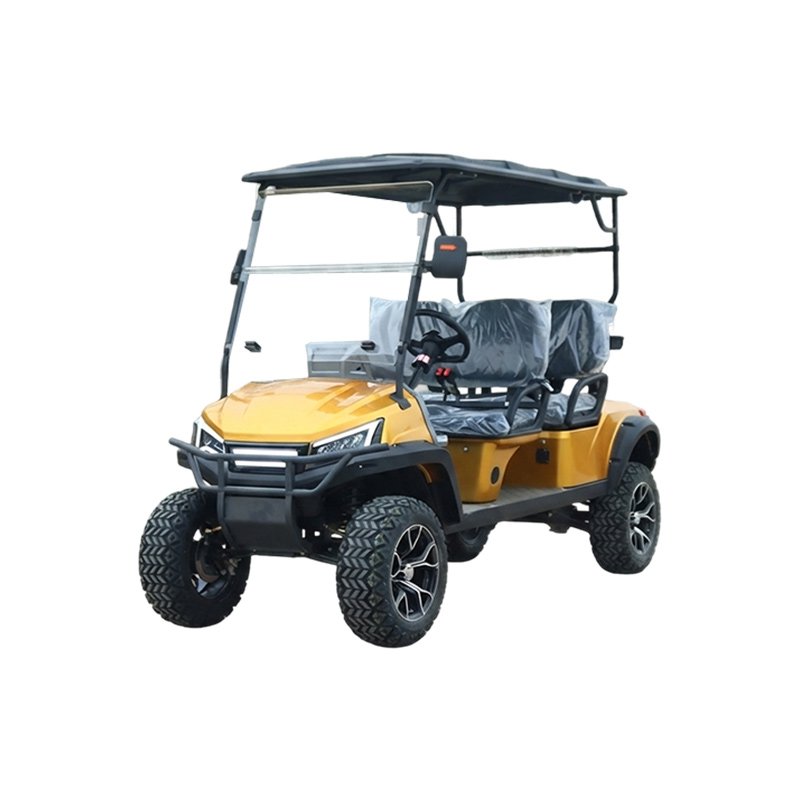
D Series · Four seats
MV-D2+2 Chinese Golf Carts
Ask for the exact configuration, included accessories and delivery scope in writing.
Need help specifying your fleet?
Tell us your passenger capacity, quantity, operating location and delivery destination. We can discuss the configuration and quotation details for your project.
Product cards show existing MOVIVEX catalogue vehicles. Confirm the ordered specification, equipment and support scope in your quotation.